The English Football League has announced a trial to eliminate goalkeeper tactical timeouts this season, and we are witnessing the sport’s final days. Not hyperbole. Actual collapse.
For decades, goalkeepers have deployed the timeout as a surgical instrument of psychological warfare—a pause button on reality itself. A striker is bearing down. The keeper raises a hand. Time stops. The universe holds its breath. In that microsecond, the goalkeeper has rewritten the laws of physics and negotiated directly with the fabric of spacetime. Now they want to take that away.
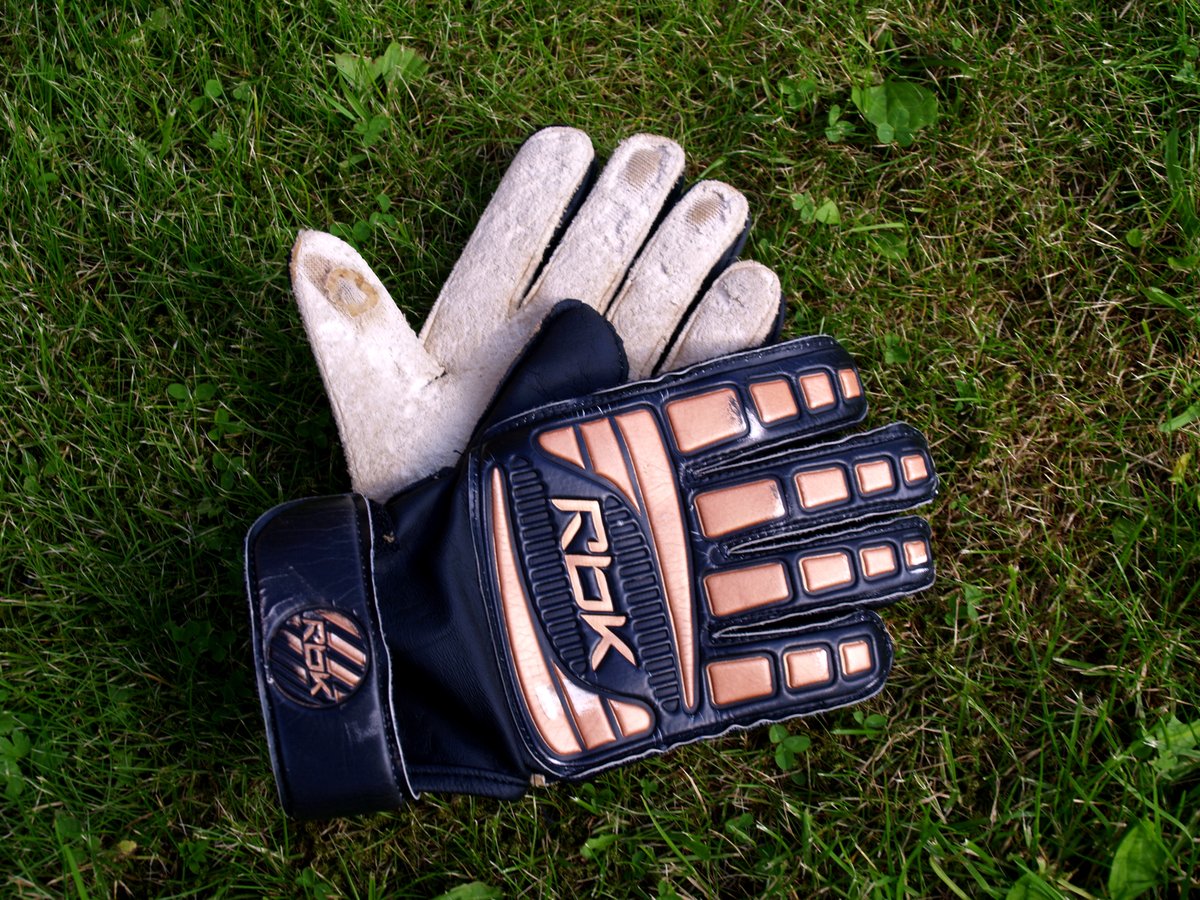
The trial will prevent keepers from stopping play to adjust their gloves, their socks, their existential dread. They will have to manage their emotions like the rest of us—through suppression and eventual therapy. Imagine the chaos. Imagine a goalkeeper who cannot call time. That is not a goalkeeper anymore. That is a man in a jersey standing in a box, hoping.
Club managers are already panicking. How will they slow the game when they need it slowed? How will they let their midfield breathe? How will they communicate with their defenders using the ancient language of the timeout—a language passed down through generations of football philosophy?
The Premier League insists this will speed up play and restore flow. They are wrong. They have removed the one thing keeping football tethered to sanity. By September, we will all be asking: what was the point of any of this? Why did we think we could just erase the timeout and expect the sport to survive?
English football has never faced a crisis this profound. Not the Super League. Not VAR. This.