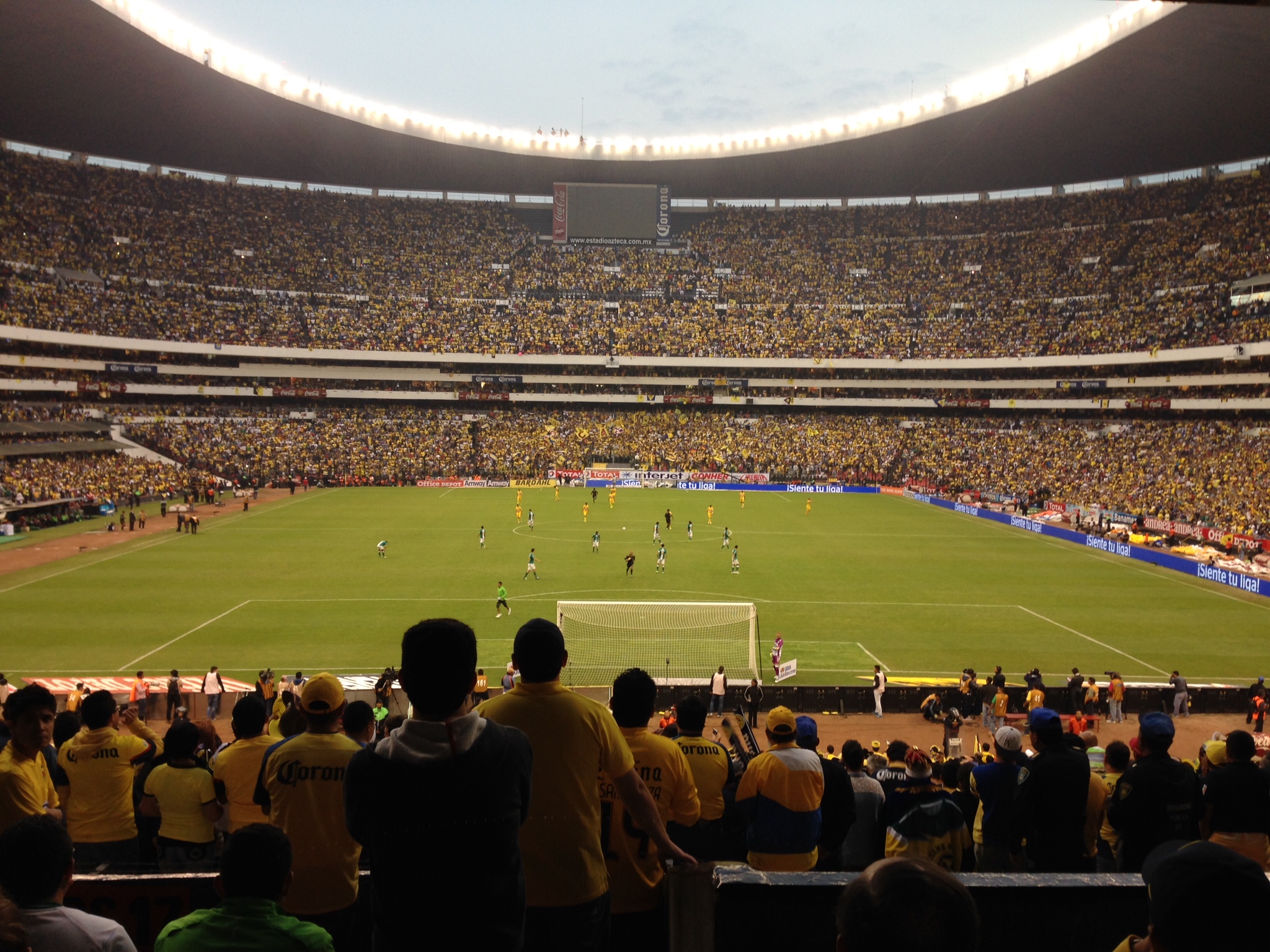
Thomas Tuchel has identified the true enemy of English football: not Mexico’s midfield, not their defensive shape, not their collective will to win — but the air itself. The very oxygen molecules floating above the Azteca Stadium at 7,382 feet above sea level have become the villain in this World Cup narrative, a geographical conspiracy so vast that no amount of tactical preparation or player conditioning could possibly overcome it.
This is, of course, brilliant theatre. Rather than acknowledge that England might simply face a well-organized opponent in their own backyard, Tuchel has chosen to wage war against physics. Mexico, naturally, will be “huge favorites” because they have the audacity to live at altitude, a crime of geography that no English midfielder can be expected to defend against. The thin air does not discriminate. It does not care about your passing range or your set-piece routines. It simply exists, indifferent and cruel.
One wonders if Tuchel has considered that Mexico’s players also have to breathe this same treacherous air — that perhaps, just perhaps, they might even have some experience with it. But why let such details interfere with a perfectly good excuse? England faces an opponent and an atmosphere, a two-front war against an enemy that cannot be tackled, cannot be fouled, cannot be subbed off at half-time.
The altitude has spoken. England must now decide whether to accept defeat before a ball is kicked, or whether they will rise above it — metaphorically, since rising literally would require even more oxygen.