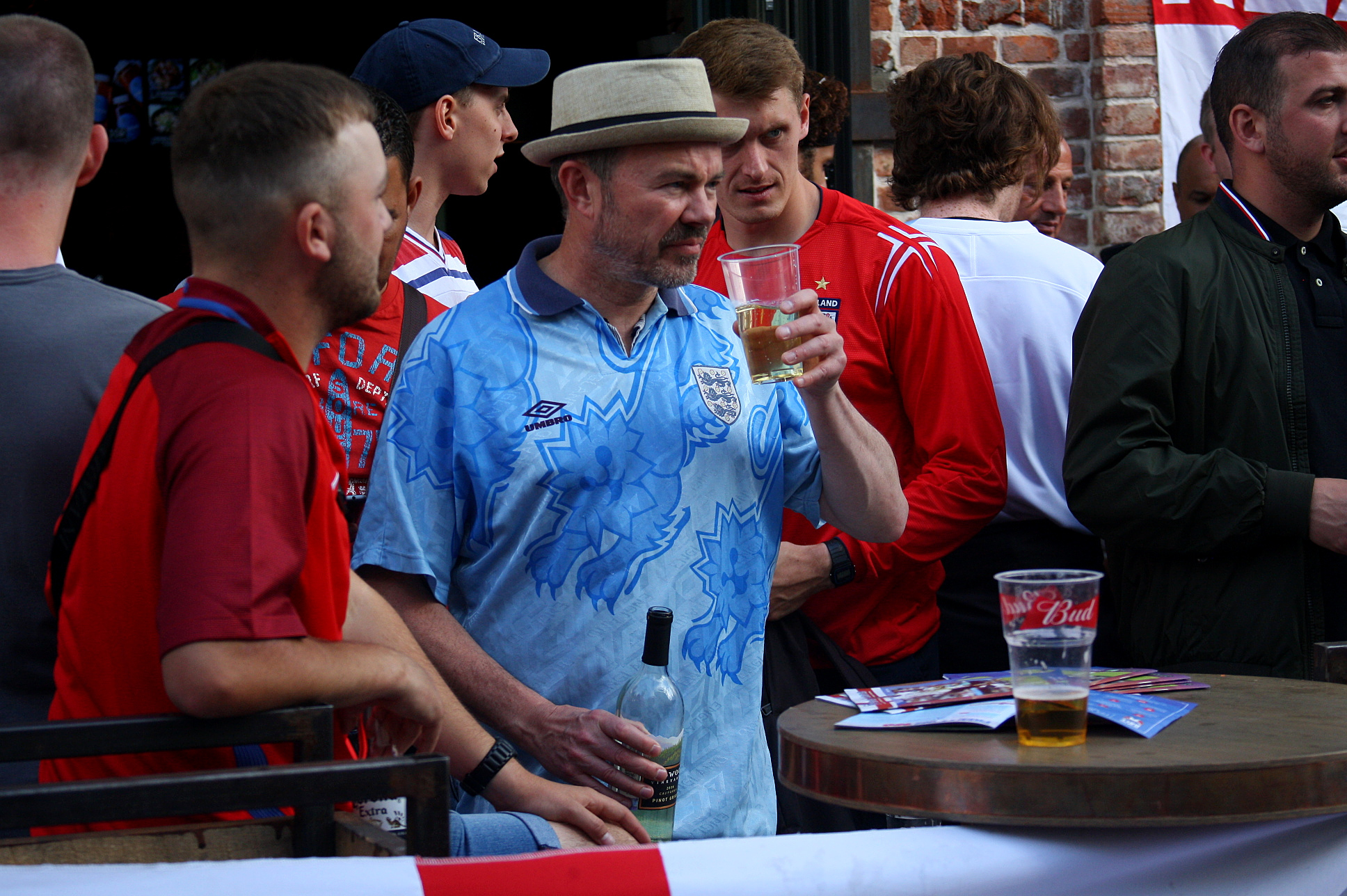
Here is perhaps the most damning statistic in modern sport: England’s participation in a World Cup tournament correlates with a measurable spike in domestic abuse. Not metaphorically. Not in the sense that people get angrier at their screens. Actually.
So let us sit with this absurdity for a moment. A nation that has built its entire identity around football — the sport that supposedly unites us, brings us together, gives us something to rally behind — turns out to be the exact opposite of unifying when the stakes are highest. The Three Lions roar. Somebody throws a chair. A child flinches.
England’s relationship with the World Cup has always been theatrical. We are the inventors of the game, forever chasing the ghost of 1966, forever convinced that this year, this tournament, this is the one. We paint our faces. We sing in pubs. We believe, irrationally and completely, that our collective will matters. And when it does not — when penalties are missed or the bracket turns cruel — we do what the English have always done: we turn inward.
The research is not new. It surfaces every tournament like clockwork, a grim reminder that our national obsession has a shadow side nobody wants to discuss at the pub. Yet here we are, approaching another World Cup season, and the cycle will repeat. We will cheer. Some of us will lose. And in homes across the country, the real score will be kept in silence.
The irony is almost too perfect: a sport designed to unite us has instead become a reliable predictor of who will suffer when we lose. England’s greatest export, turned inward, becomes its own worst import.