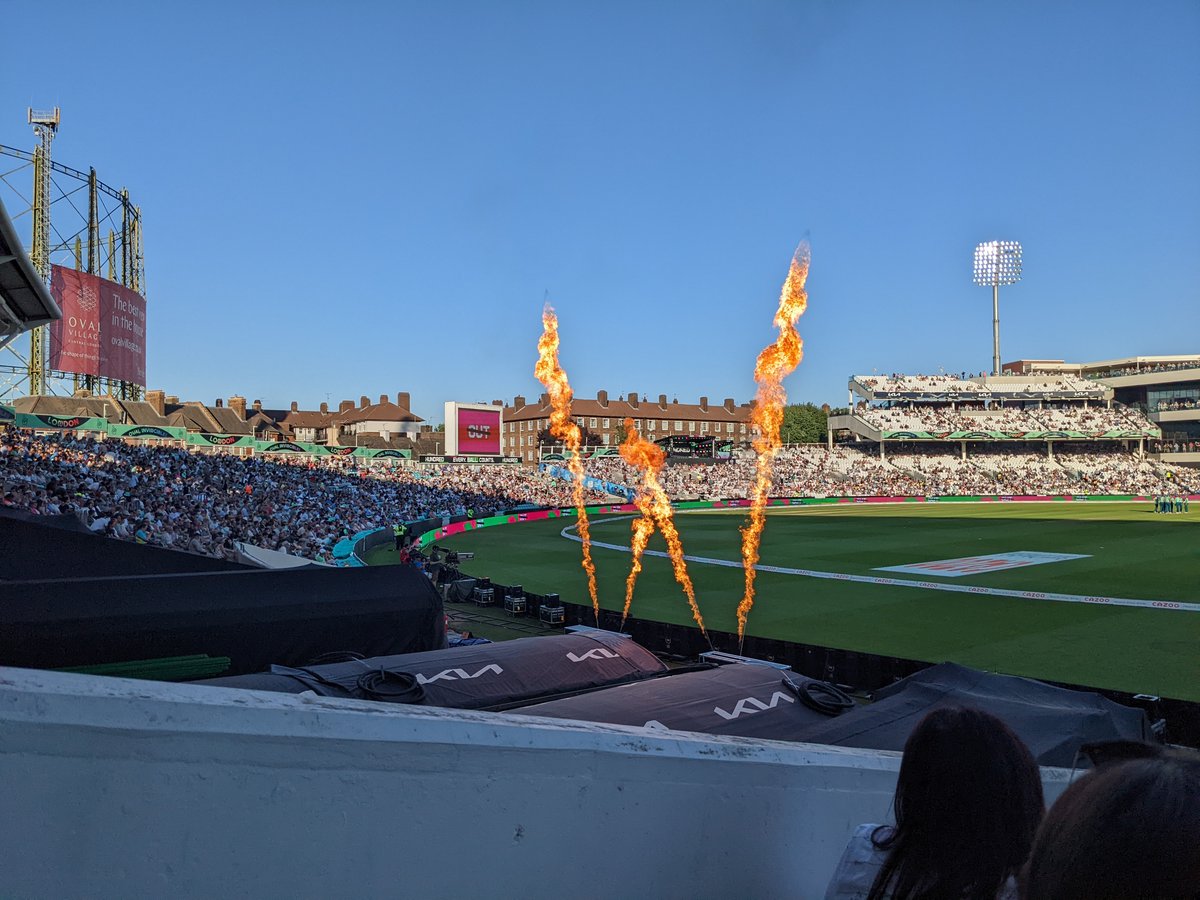
Picture this: The Oval, June 2026. England’s cricketers have assembled for what was meant to be a triumphant second act, but instead delivered a performance that would have made even the most forgiving theatrical critic walk out at intermission.
The script was simple. Win a Test match. Keep the series alive. Instead, the players shuffled onto the field like understudies who’d only read the stage directions once, mumbling their lines while New Zealand stood centre stage delivering soliloquies of devastating bowling. By the time the final wicket fell, England hadn’t just lost—they’d somehow managed to lose in a way that felt personally insulting to everyone who’d bought a ticket.
What made this particular collapse so deliciously tragic was its inevitability. After a fortnight of cricketing misadventure, England walked into The Oval not as warriors preparing for battle but as actors who’d forgotten whether they were playing Hamlet or Rosencrantz. The batsmen looked confused. The bowlers looked exhausted. The fielders looked like they were waiting for someone to call “cut.”
The cruelty of sport is that it doesn’t grant encores for effort. New Zealand simply played better cricket while England performed it—all gesture, no substance. Now they face Trent Bridge for a decider, and the question isn’t whether they can win. It’s whether they can remember which end of the bat to hold.
This wasn’t cricket. This was method acting gone horribly wrong.