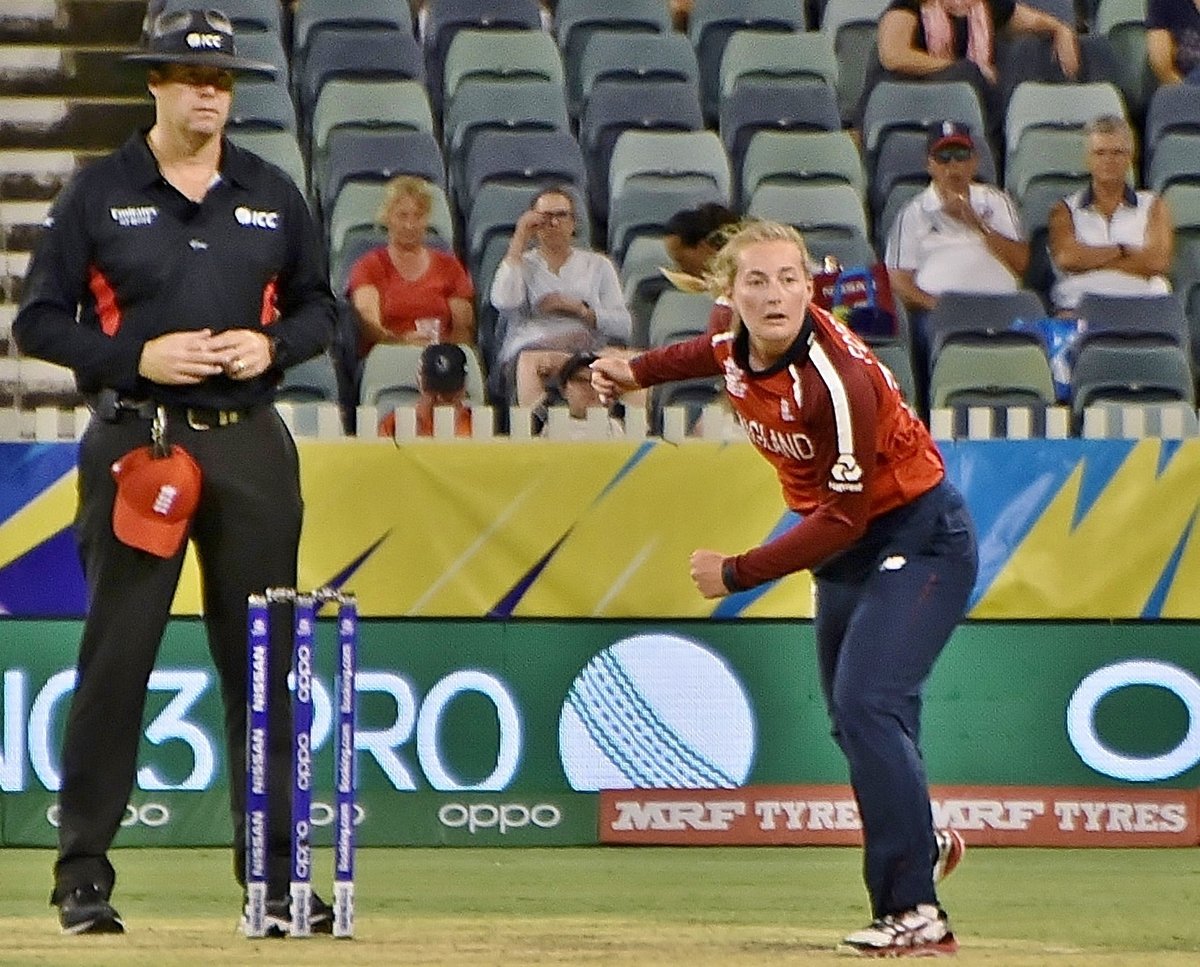
Sophie Ecclestone took to the crease at Lord’s yesterday and did something so monumentally significant that the United Nations has called an emergency session. Not because she broke a cricket record—though she did—but because her performance has apparently solved the Middle East conflict, brokered peace in three disputed territories, and convinced two rival nations to share a water treatment facility.
The logic is airtight, if you squint. Ecclestone’s record-breaking display came on a day when past England players were honoured for paving the way. In the minds of several diplomats now frantically drafting resolutions, this is exactly how international relations work: one athlete breaks a barrier, and suddenly everyone agrees to stop fighting.
UN Secretary-General António Guterres released a statement suggesting that if cricket—a sport that takes five days to complete and involves a leather ball traveling at 90 miles per hour—can unite generations of players in mutual respect, then surely nations can find common ground on trade agreements, territorial disputes, and nuclear proliferation.
The comparison is not just apt. It is, according to a hastily convened panel of international relations experts who clearly have not slept in 36 hours, the key to world peace. If Ecclestone can break records while honouring those who came before her, the thinking goes, then perhaps Vladimir Putin and Volodymyr Zelensky can settle their differences over a nice Test match.
The cricket world remains unaware that it has accidentally solved geopolitics. Ecclestone is simply focused on the next game.