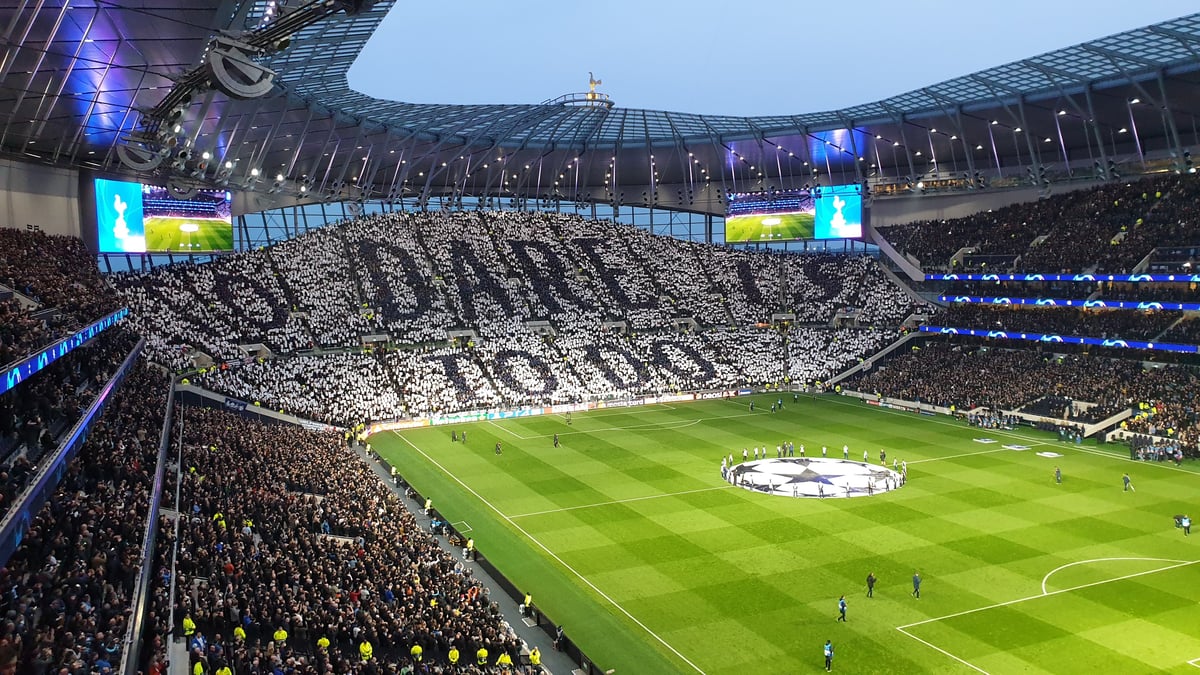
Roberto de Zerbi has done what every modern football manager does when the dressing room smells like discontent: he has weaponized the concept of pride. In a move that would make a corporate wellness consultant weep with joy, Spurs’ boss has essentially told his players that if they are not “proud and happy to stay,” the door swings both ways. It is the footballing equivalent of a breakup text that reads: “It’s not you, it’s your lack of commitment to our vision.”
The beauty of this statement lies in its towering cynicism. De Zerbi is not wrong—unhappy players do tend to play like they are pushing a shopping trolley with a broken wheel. But framing it as a matter of pride rather than, say, wages, project ambition, or the fact that Tottenham have spent two decades promising a trophy that never materializes, is peak managerial theatre. It transforms a potential exodus into a moral failing on the players’ part.
What makes this truly operatic is the timing. In July, when the transfer window is open and every agent in London is speed-dialing club executives, De Zerbi has essentially published a classified ad: “Wanted: warriors with pride. Cowards need not apply.” It is not an ultimatum. It is a performance. And somewhere in the Spurs training ground, a midfielder is updating his LinkedIn profile.
The absurdity, of course, is that loyalty in modern football is a myth we collectively pretend to believe in. Players are commodities. Managers are temporary. And pride, well, pride pays the bills only if your next club’s wage structure says it does. De Zerbi knows this. We all do. Yet here we are, watching the theatre unfold as if anyone genuinely believes a rousing speech about pride will convince a discontented player to stay at a club that has not won a league title since 1961.