Scotland is at a crossroads. Not because of Parliament, not because of economics, but because Celtic Football Club cannot decide whether to hire Martin O’Neill or Robbie Keane as their next manager. The implications are staggering. Some say it will tear the nation in half. Others claim haggis production has already begun to slow.
Let us be clear about what is happening here. This is not a routine managerial appointment. This is a referendum on Scottish football’s very soul. This is the kind of decision that will echo through the Highlands for generations. Families will be divided. Friendships will crumble like a digestive biscuit left in a cup of tea. The pubs of Glasgow will become battlegrounds of rhetoric and half-remembered statistics.
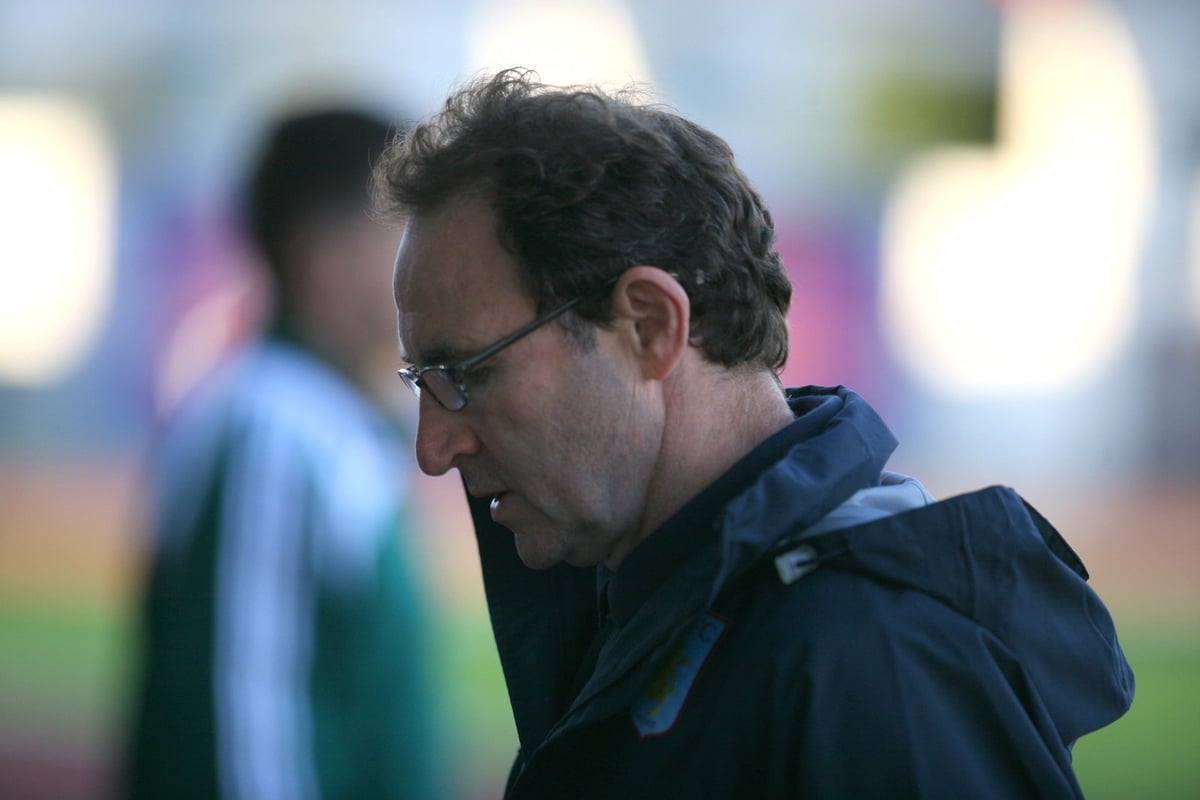
Martin O’Neill represents something. Experience. Gravitas. The kind of man who looks like he has made difficult decisions before—probably involving war rooms and crisis management. He has won things. He has the aura of a man who once walked into a room and everyone stopped talking because they knew something important was about to happen. When O’Neill speaks, you listen. When O’Neill frowns, entire fan bases hold their breath.
Robbie Keane, on the other hand, is a different beast entirely. He is the insurgent candidate. The man who will burn down the old order and rebuild it in his image. He has the hunger of someone who still remembers what it felt like to score goals, to feel the net ripple, to understand that football is not about committee decisions—it is about raw, unfiltered passion. Keane does not walk into rooms. Keane explodes into them.
The debate itself has become unhinged. Supporters have formed think tanks. Journalists have written 47,000-word essays on the philosophical implications of each choice. One prominent Celtic blogger has suggested that O’Neill’s appointment would signal a return to defensive, pragmatic football, while Keane’s arrival would unleash a new era of attacking chaos—the kind where you score five goals and concede six, but at least you did not bore anyone to death in the process.
There are rumors that the board has been locked in meetings for weeks. Not normal meetings—the kind where someone brings a flip chart and someone else cries. These are the meetings where grown men argue about legacy and identity while the tea goes cold and nobody remembers whose turn it is to order sandwiches.
The economic impact cannot be overstated. Haggis suppliers across Scotland report unusual demand spikes. Pub landlords have ordered extra kegs in anticipation of the heated conversations that will inevitably follow the announcement. One betting shop in Edinburgh has stopped taking wagers because the odds change every time a new rumor surfaces.
What makes this truly absurd is that both men are qualified. Both have managed at high levels. Both understand the weight of Celtic’s history. Both could probably do the job. But that is not the point anymore. The point is that Celtic’s decision will now be interpreted as a statement about what Scotland believes football should be. Should it be dignified and measured? Or should it be passionate and unpredictable? Should it be about systems and structure? Or should it be about raw emotional intensity?
The media has split into factions. Some outlets are running daily polls. Others have commissioned surveys asking supporters which candidate better represents their vision of Scottish football. One prominent sports broadcaster has suggested that whoever gets appointed will determine whether Scotland wins the Champions League within five years or descends into mid-table mediocrity.
Nobody has mentioned that football is actually quite complicated and that managerial success depends on factors like player recruitment, injury luck, refereeing decisions, and whether the goalkeeper had a good night’s sleep. These are inconvenient truths in the age of narrative.
The board, meanwhile, appears to be experiencing something between a fever dream and a constitutional crisis. They have narrowed it down to two candidates. This is actually progress. Three weeks ago, there were reports of seven different names being considered. Now it is down to two. The board is one decision away from either vindication or eternal regret, and they know it.
Whatever happens next will be treated as definitive. If O’Neill is appointed and Celtic wins the league, it will be hailed as a masterstroke of judgment. If Keane is appointed and Celtic plays exciting football, it will be called visionary. And if either of them fails, the other’s supporters will spend the next decade saying they would have been better.
This is not really about football anymore. This is about the theater of decision-making in the modern age. This is about how we have transformed a straightforward hiring process into a national conversation about identity, philosophy, and what we believe football should represent.
Somewhere in Glasgow, a haggis sits on a shelf, waiting to see which manager will be announced first. It is a patient haggis. It knows that whatever happens next will be treated as earth-shattering. It knows that for the next six months, every Celtic result will be interpreted through the lens of whether the board made the right choice. It knows that football is not actually that complicated, but we have decided to make it that way anyway.
The decision will be made. The nation will react. The pubs will fill. The arguments will rage. And then, eventually, Celtic will play football again, and we will remember that what matters is what happens on the pitch, not the philosophical debates that preceded it.
But until then, Scotland waits. Divided. Anxious. And apparently, running dangerously low on haggis.