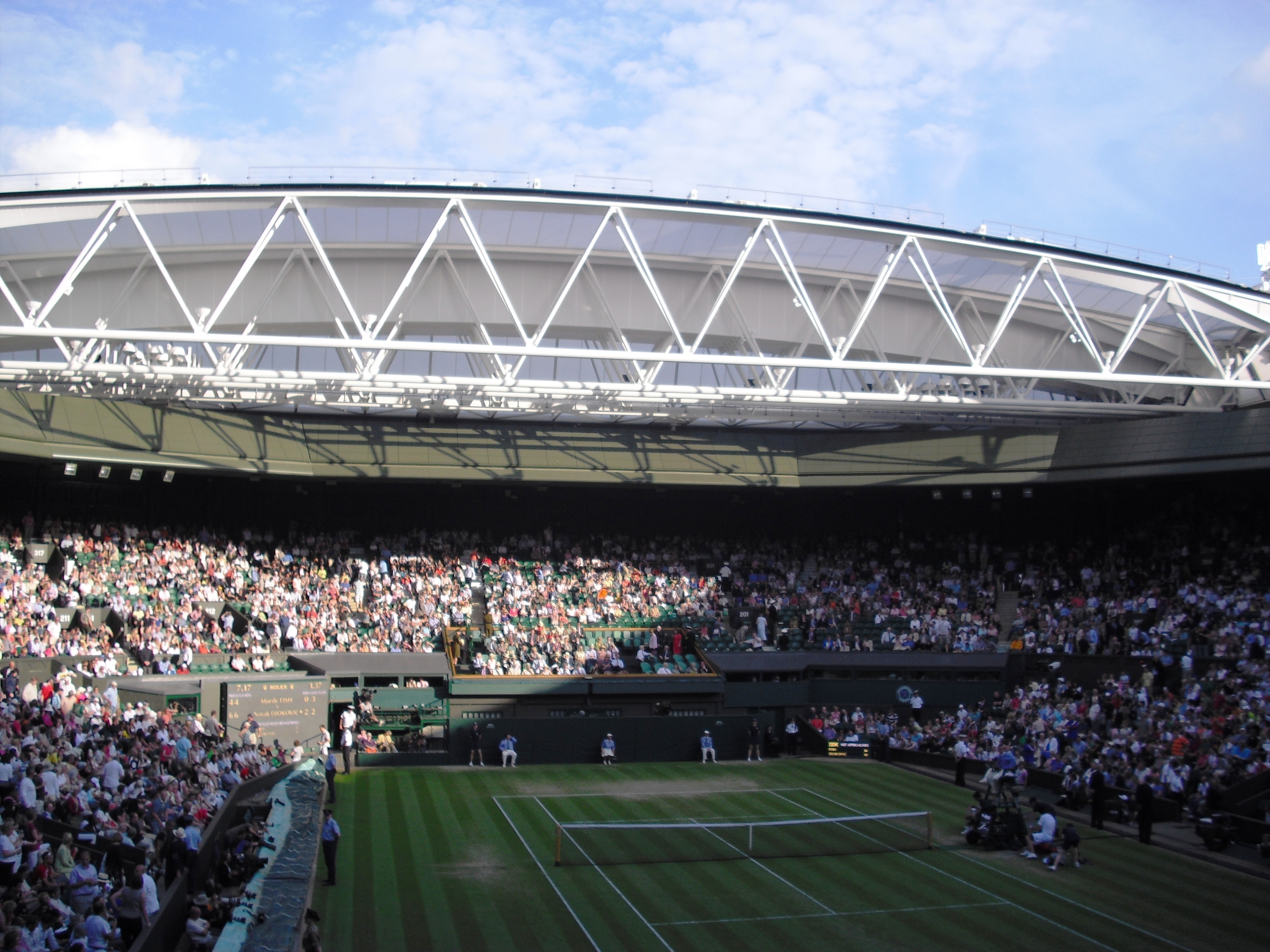
The nation woke this morning to find fifteen British tennis players had been eliminated in the first round of Wimbledon. Parliament reconvened. The BBC prepared a three-part documentary. Someone ordered a wreath. This is how we grieve now.
Every summer, without fail, we gather at SW19 with the faith of pilgrims and the expectations of a nation that has not won a men’s singles title here since 1936. And every summer, without fail, we are served (there it is) a masterclass in disappointment so complete, so thorough, so British, that it feels less like sport and more like a national rite of passage. Fifteen players. First round. Gone.
The BBC Sport analysis was inevitable, necessary, and utterly futile—like performing an autopsy on a patient who died of the same cause last year, and the year before, and the year before that. What are the problems facing British tennis? Everything. Nothing. The weather. Genetics. The fact that we invented the sport and then decided to be philosophically opposed to winning it.
What makes this tragedy genuinely comic is the repetition. We do not learn. We do not adapt. We simply show up, lose immediately, and then spend the rest of summer explaining why, as if understanding the mechanism of our own failure somehow makes it less humiliating. It does not.
The real scandal is not that our players lost. It is that we expected anything different. That is not sport. That is performance art masquerading as hope.