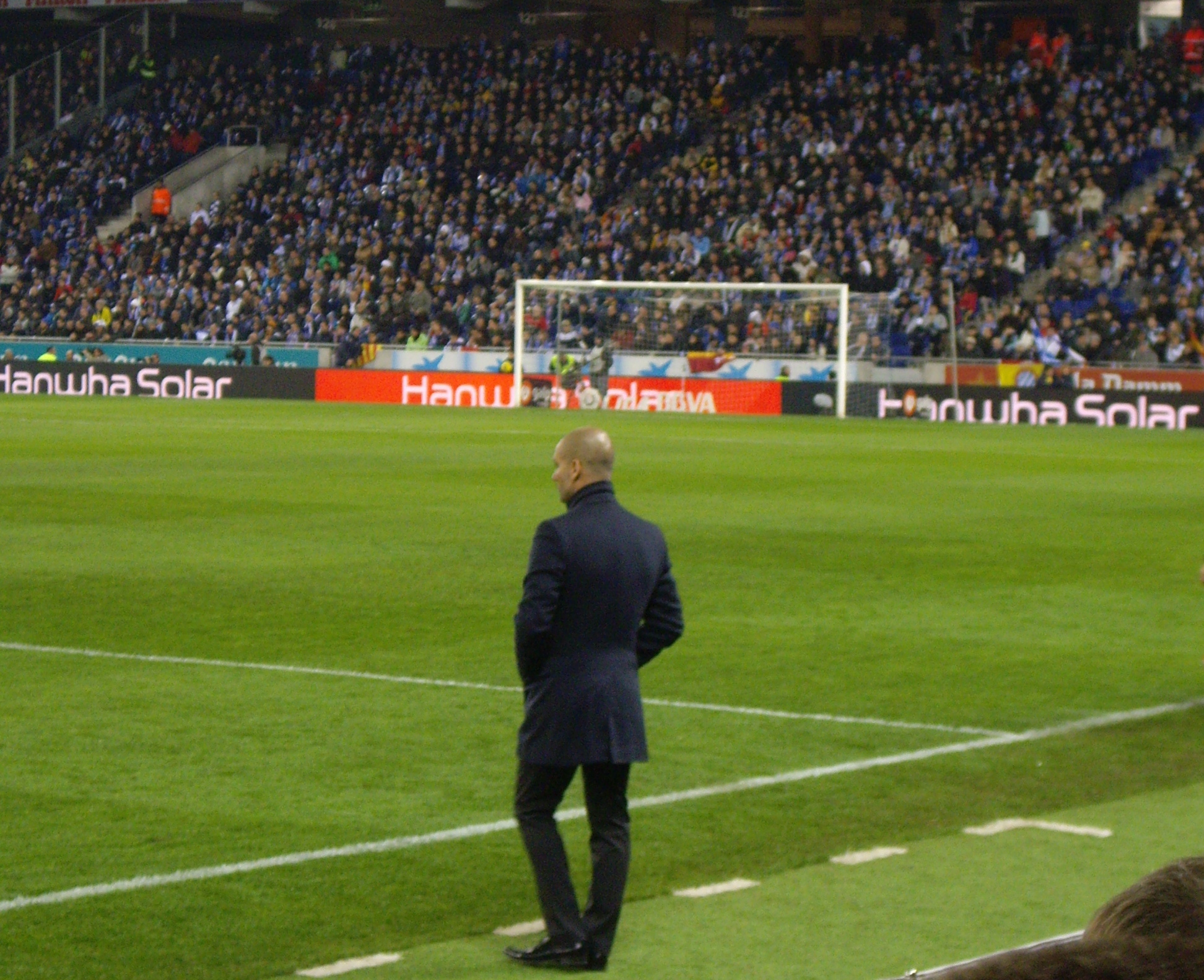
Pep Guardiola is leaving Manchester City, and like a chess grandmaster abandoning the board mid-game, everyone else is scrambling to flip the pieces. Real Madrid have apparently decided that the best way to honour Guardiola’s departure is to immediately poach his most prized midfielder, because nothing says ‘we respect your legacy’ like dismantling your team the moment you walk out the door.
Rodri, who spent the last few seasons being told he was the best midfielder in the world—a claim that required approximately seventeen different award ceremonies to validate—is now the subject of the season’s most predictable transfer saga. Real Madrid are ‘confident’ of signing him, which in transfer-speak means they’ve probably already called his agent twice and are waiting for the third call to be returned.
Here’s what’s actually happening: we’ve reached a point where football clubs treat players like limited-edition sneaker drops. Guardiola leaves, and suddenly Rodri’s identity becomes negotiable. Was he Manchester City’s midfield architect? Only until Guardiola departed. Now he’s Real Madrid’s future. Next month, if PSG blinks hard enough, he’ll be their salvation. The player himself barely gets a say in the rebranding—the narrative is written by whoever has the biggest chequebook and the most aggressive PR department.
Bayern Munich, not to be outdone in the absurdity sweepstakes, are planning a ‘shock move’ for John Stones. Shock, apparently, is the new standard for any transfer that wasn’t explicitly ruled out by a player’s grandmother on live television. Atletico Madrid want Marc Cucurella. Everyone wants everyone, and everyone is ‘confident’ about something that won’t be decided until someone’s lawyers finish arguing about whether a handshake constitutes a verbal agreement.
The real comedy is that we’ve collectively decided this is normal. A manager leaves, and the entire ecosystem reorganises itself around the assumption that his players are now available for purchase. Rodri didn’t suddenly become a different player. He hasn’t forgotten how to pass. His brain didn’t relocate from Manchester to Madrid overnight. But his perceived value—that thing we’ve all agreed to obsess over—just became a blank cheque.
This is what happens when we’ve turned sport into a celebrity marketplace. Rodri isn’t a midfielder anymore; he’s a brand asset in transit. Real Madrid doesn’t want him because he makes them better—they want him because he’s the thing everyone else wants, and the only way to win in a status economy is to own the trophy before your rival notices it’s for sale.
The players are commodities. The managers are CEOs. The fans are shareholders in a company that doesn’t exist except in our collective delusion. And we’re all refreshing our phones waiting for the next ‘confident source’ to tell us which player is next to be repackaged and resold.
Guardiola’s exit was supposed to be about football. Instead, it’s become a fire sale. That’s not sport anymore. That’s just capitalism with a ball.