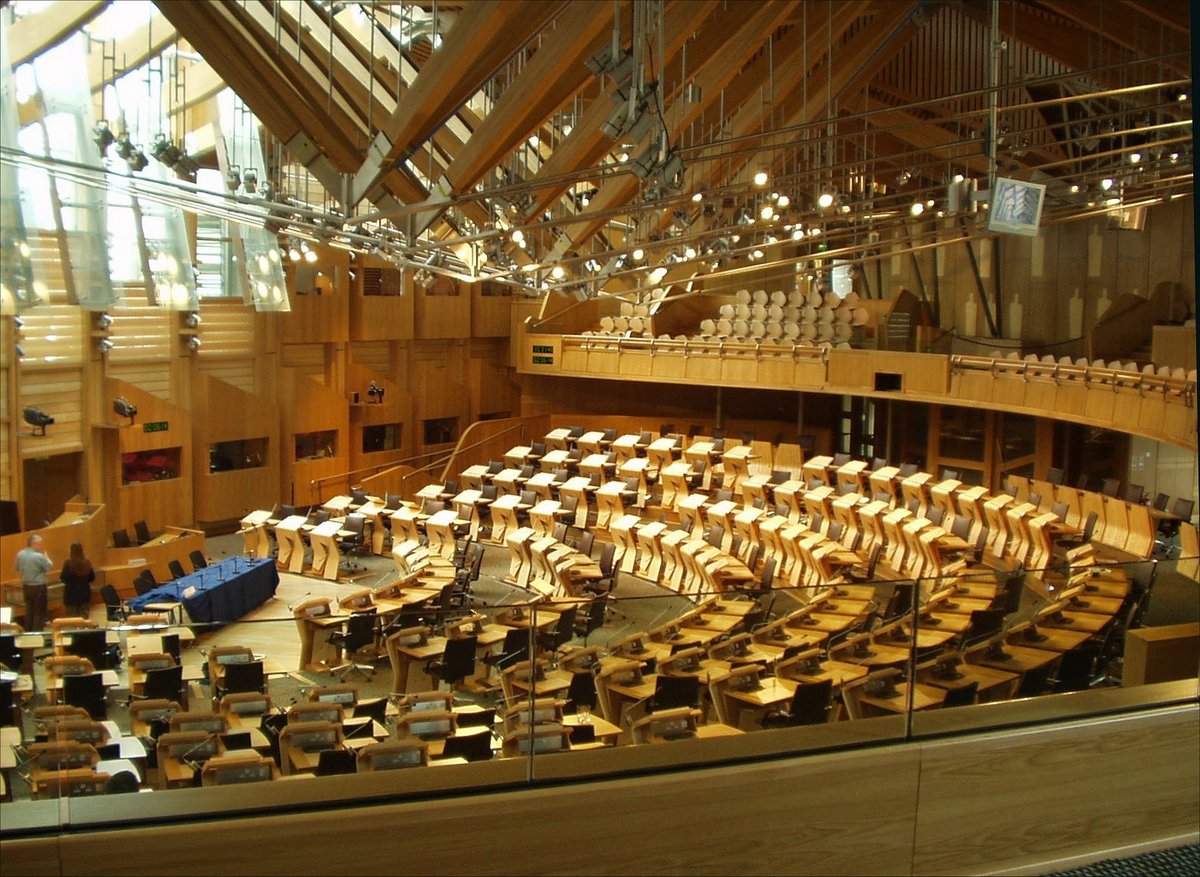
The Scottish Parliament has achieved something remarkable: it has managed to make independence so central to its identity that it can no longer discuss anything else without first securing independence from the concept of discussing anything else.
On day one of the new parliament, the SNP tabled independence as its opening item of business. Not jobs. Not healthcare. Not the fact that NHS waiting lists in Scotland are longer than most prison sentences. Independence. First. Always.
This is the political equivalent of a man whose house is on fire calling an emergency meeting to discuss the best way to organize his escape plan, then spending four hours debating whether the escape plan should itself be independent from the house-burning problem.
The logic is airtight if you don’t think about it. The SNP has calculated that Scottish voters care most about independence, so they lead with independence, which proves voters care about independence, which justifies leading with independence next time. It’s a perfect closed loop of political self-validation. Meanwhile, someone’s grandfather is waiting six months for a hip replacement.
When did this become the priority? When did a parliament elected to govern a country decide that the first order of business wasn’t governance but rather the meta-question of whether they should be allowed to govern? It’s like hiring a chef and his opening move is to demand the kitchen be independent from the restaurant before he’ll cook anything.
The SNP’s argument, presumably, is that independence is a prerequisite for solving everything else. Once Scotland is independent, the theory goes, they can finally tackle the real issues. But this creates a temporal paradox: if independence is a prerequisite for governance, then they should probably stop governing now and just focus on independence. Yet they’re also governing. Badly, but governing.
Scotland has real problems that require immediate attention. The NHS is collapsing. Education outcomes are declining. Drug deaths per capita are the highest in Europe. But these are all problems that can wait, apparently, because first we need to have a referendum about whether we should be allowed to solve them ourselves.
The genius of this move is that it’s politically bulletproof. If you criticize the SNP for prioritizing independence over healthcare, they can say you’re against Scottish self-determination. If you point out that they have a mandate to actually run the country, they’ll respond that true self-determination requires independence first. It’s a rhetorical escape hatch with no exit.
What makes this truly absurd is that the SNP already won a mandate based on independence. They already have a majority. They already control the parliament. And yet the first thing they do is demand independence from the very parliament they just won control of. It’s like winning a game of chess and then demanding a new game where the rules are different.
The Scottish electorate voted for these people to run Scotland. Instead, they’re getting a parliament that has decided its primary function is to argue about whether it should exist. This is what happens when a political movement becomes so defined by one issue that it forgets what it was supposed to do once it wins on that issue. The SNP has achieved the remarkable feat of making independence the answer to every question, including the question of why they’re not answering any other questions.
Meanwhile, in the real world, people are dying in NHS corridors while waiting for beds. But at least when they do, they’ll die as citizens of an independent nation. That’s got to count for something.