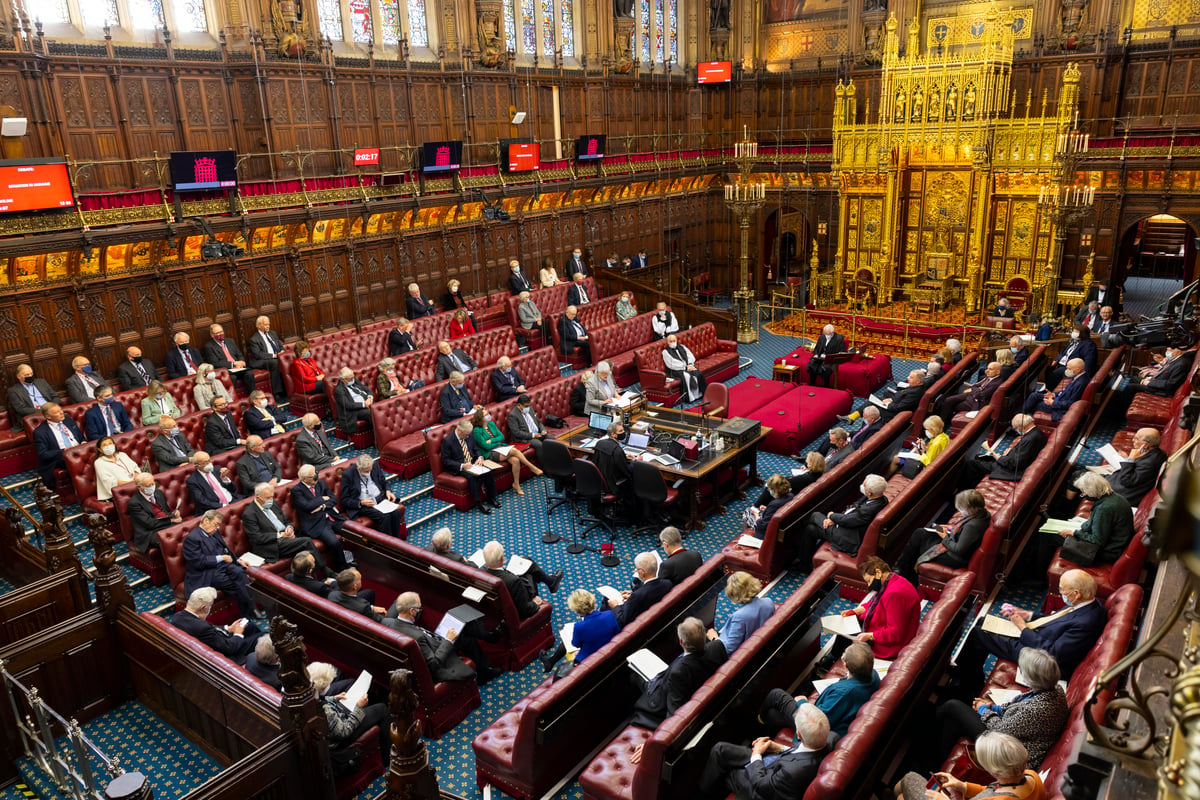
Anas Sarwar, who spent considerable energy demanding Keir Starmer resign, has decided the best response to being ignored is accepting a trade minister job and vacating his Scottish Labour leadership role entirely. He will now sit in the House of Lords, which is where British politics sends people when they’ve run out of things to say but still want a salary.
The timing is exquisite. Months of public criticism, internal positioning, the full repertoire of a ambitious politician signalling discontent—all of it abandoned the moment an actual job appeared. Loyalty, it turns out, is negotiable. Principle is a holding pattern until something better materializes.
Sarwar is described as “delighted” by the arrangement. Of course he is. He gets to leave a role where he actually had to show up and make decisions about Scottish education policy, and instead join a government in a chamber where attendance is optional and the pension is already locked in. The trade minister position under Burnham’s government presumably involves less actual Scotland and more actual power, which explains the sudden enthusiasm.
What’s remarkable is how cleanly this works. One day you’re calling for your party leader to step down. The next day a ministerial offer arrives and your entire political philosophy becomes flexible. The Scottish Parliament loses its Labour leader mid-term. Westminster gains another peer who will show up occasionally to vote the right way. Everyone involved calls it a promotion.
The real absurdity isn’t Sarwar’s decision—it’s that this is how the system actually functions. Ambition dressed as principle, then principle abandoned for office. The machine works exactly as designed.