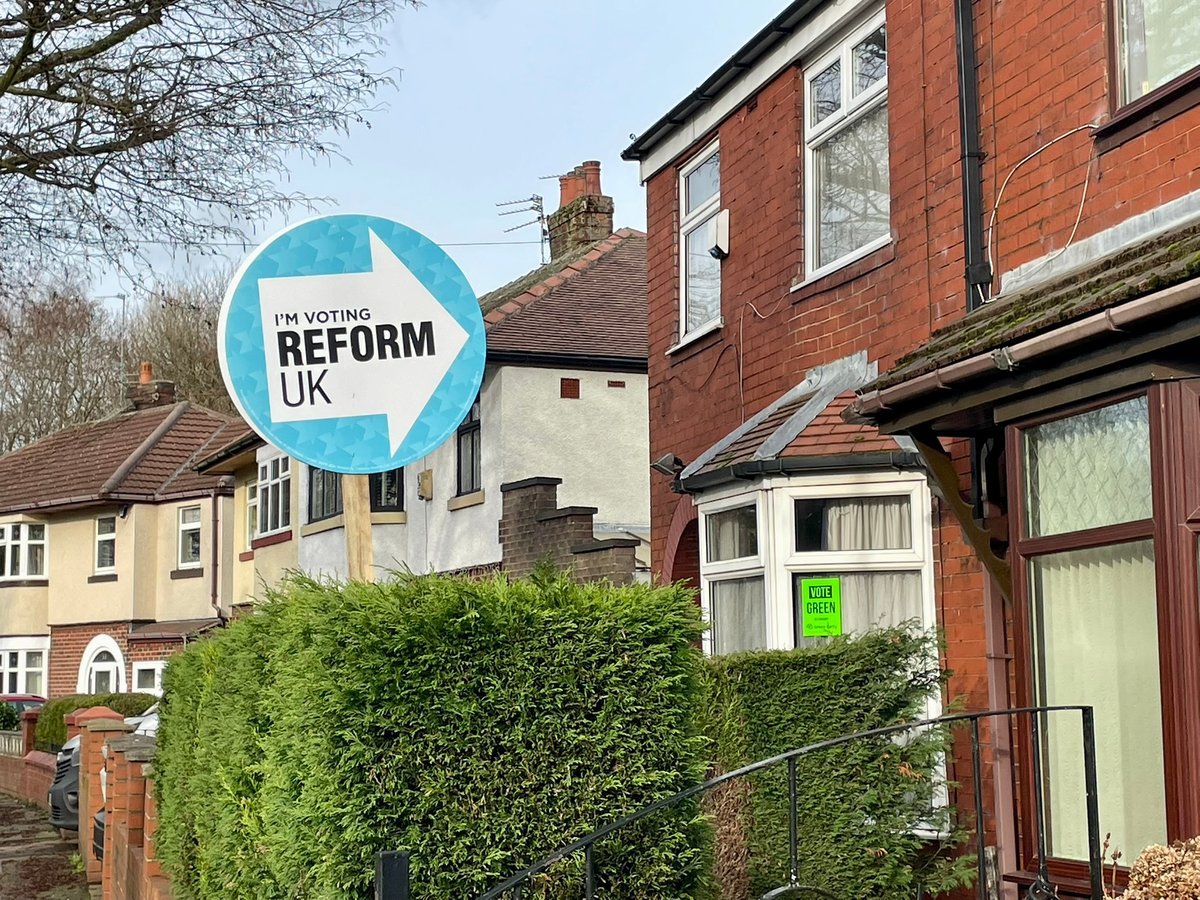
The Reform Party has discovered a loophole so elegant it makes money laundering look like a TikTok dance tutorial. Seven million pounds arrived from two overseas crypto billionaires earlier this year, and party officials are treating this like a completely normal transaction rather than what it actually is: direct digital funding from people who may or may not exist in physical space.
The beauty of crypto donations is that they arrive with all the accountability of a ghost in a video game. The money shows up. Nobody can quite explain where it came from or how it got here. The party leadership celebrates. Democracy continues its slow transformation into a roguelike where the final boss is just a wallet address.
Let’s be clear about what happened here. Two men—both British, both billionaires, both apparently living overseas in that special tax-haven fog where the wealthy go to disappear—decided that the best use of their digital fortune was funding a political party. The transaction was legal. The disclosure happened. The system worked exactly as designed, which is precisely the problem.
Why is crypto the ideal funding mechanism for political parties that want to maintain plausible deniability about their donor base? Because it moves like water and leaves a trail like smoke. You can trace it to a wallet address, sure. You can see the blockchain entry. You can verify the transaction happened. But the person holding that wallet? That’s where the story gets interesting.
The Reform Party didn’t invent this strategy. They just executed it better than anyone else currently running for office in Britain. Seven million pounds is not a typo. That’s not a donation. That’s a down payment on access. That’s venture capital for a political movement. That’s what happens when you realize that democracy runs on money and money increasingly runs on code.
The donors themselves are the real story here. British billionaires living abroad have a particular skill set: they understand both the regulatory environment they’re leaving behind and the technical infrastructure that allows them to participate in it remotely. They’re not in the country. They’re not subject to the same tax obligations. They’re not even sure which time zone they’re in most days. But their money is very much here, and it’s very much voting.
This is what the future of political funding looks like. Not backroom deals in mahogany-paneled rooms. Not brown envelopes exchanged in car parks. Just a transaction ID, a wallet address, and the complete dissolution of any meaningful distinction between a donation and an investment. The crypto billionaires aren’t bribing anyone. They’re just ensuring that their preferred political outcome receives the marketing budget it deserves.
The Reform Party is now sitting on the largest war chest in British politics, funded largely by people who don’t live here, don’t pay taxes here, and have structured their entire financial existence around remaining untraceable. This is legal. The Electoral Commission has looked at it. The rules allow it. The system is functioning exactly as intended by people who wrote the rules while knowing they would eventually need to use them.
What’s genuinely remarkable is how boring everyone is treating this. A political party is being bankrolled by digital wizards with overseas bank accounts, and the conversation is about whether the disclosure was timely rather than whether this is fundamentally insane. The money came from people who may have never set foot in a Reform Party office. The funding mechanism leaves no fingerprints. The entire transaction is mathematically traceable and politically invisible at the same time.
The crypto billionaires have figured out something that traditional donors never could: you can fund a political movement without ever being in the same room as anyone in that movement. You don’t need a relationship. You don’t need trust. You just need a wallet address and the certainty that the person receiving the money understands exactly why it arrived. Democracy has become a video game where the high-score table is populated by people playing from a different continent on a different legal framework.
The truly beautiful part is that this will probably happen again. The precedent has been set. The mechanism works. The rules allow it. Other parties will eventually figure out that crypto donations come with built-in deniability. By the time they do, the Reform Party will have already spent the seven million pounds on whatever it is you spend seven million pounds on when you’re trying to reshape British politics. Probably billboards. Probably podcasts. Definitely not transparency.
The future of political funding isn’t in dark money. It’s in transparent money that’s so thoroughly laundered through digital systems that tracing it back to intent becomes a philosophical question rather than a legal one. The Reform Party just proved that you can raise more money than anyone else and still have everyone argue about whether the process was technically legal. In politics, that’s not a loophole. That’s a business model.