Sir Keir Starmer is currently governing the country. Wes Streeting, his health secretary, is preparing to challenge him for the job. The unions want Starmer gone before the next election. Nobody has explained what any of this solves.
This is the political equivalent of a reality show where the contestants are also the judges and the prize is a job nobody wants anymore. The King’s Speech happened on schedule. The government announced plans to pass laws. Simultaneously, the Labour Party began its slow-motion implosion on live television.
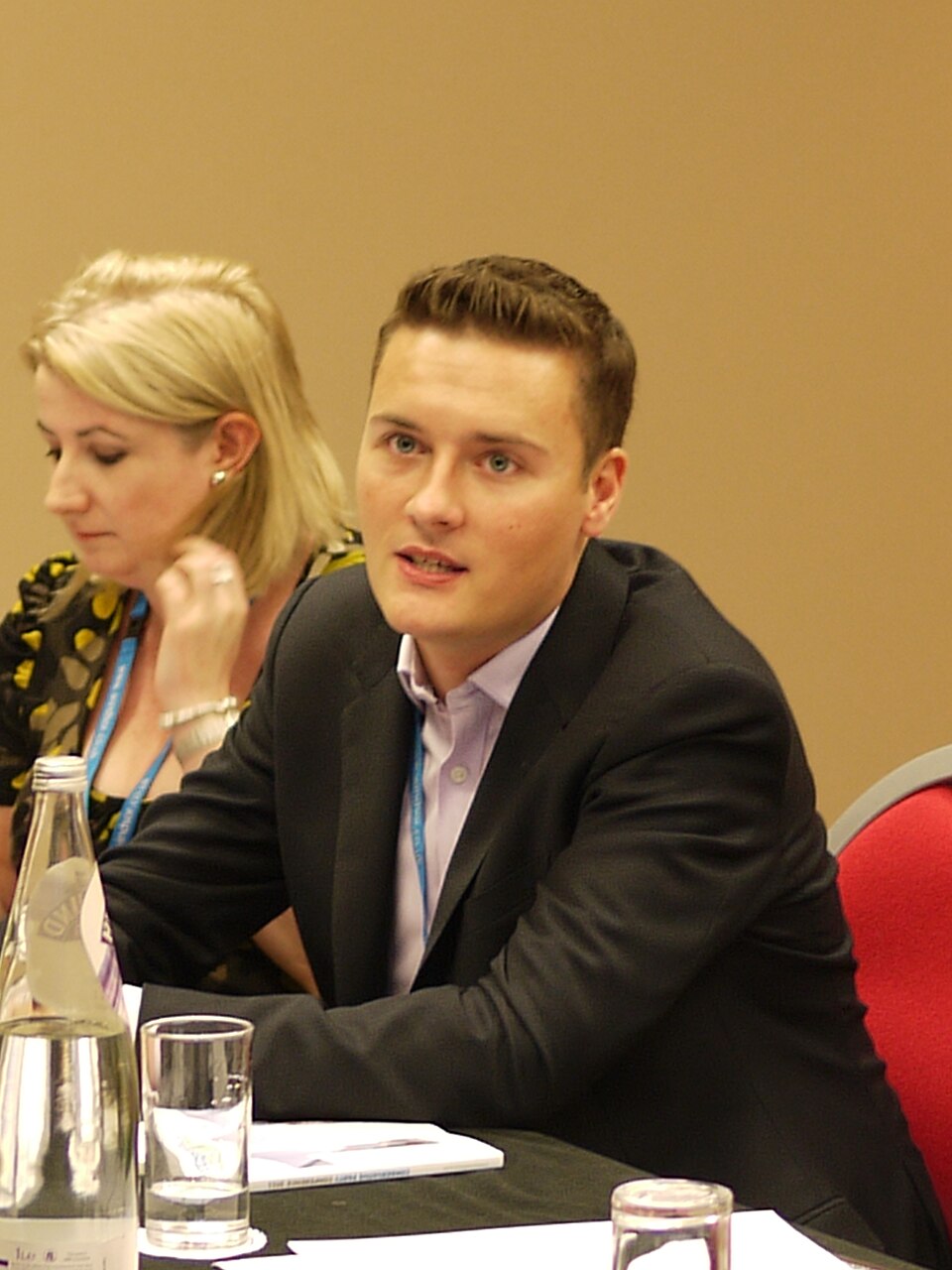
Streeting’s allies have been whispering to the BBC that a leadership challenge could launch by Thursday. Thursday of which week remains unclear, but the specificity is important because it makes people think someone has a plan. The health secretary comes from a tough background and threw himself into Labour politics at an early age, which apparently qualifies him to manage a government that is actively disintegrating around him.
What distinguishes this particular melodrama from the usual Westminster theatre is the sheer velocity of the betrayal. Starmer has vowed to “get on with governing” despite cabinet splits and MP pressure. This is the political equivalent of a man announcing he will continue swimming while his crew sets the boat on fire. The next 24 hours are apparently “a big moment” for both Starmer and his would-be challengers, which means something is happening but nobody knows what.
The unions have decided Starmer must go. His own MPs are circling. His cabinet is fragmenting. And yet the government continues to announce bills about digital IDs and tourist taxes as if the entire institution is not currently engaged in a high-stakes audition for his replacement. The King’s Speech outlined the legislative agenda. The Labour Party outlined its own succession plan. Both happened in the same week because timing is irrelevant when the ship is sinking.
Streeting’s supporters expect a leadership challenge. They have told the BBC this. The BBC has reported it. Now everyone knows it is happening, which means it probably will not happen exactly when expected, or it will happen in a form nobody anticipated, or it will happen and then immediately not happen again.
The theatre of it all is almost impressive. Here is a government trying to pass legislation while its members are actively campaigning against its leader. Here is Starmer trying to save his job with promises of change and warnings of chaos—the implication being that voting for him prevents chaos, while voting for Streeting introduces a different, presumably better chaos. Here is Streeting, positioned as the ambitious minister ready to take the reins, waiting for the exact moment when his allies have sufficiently destabilized his boss.
Does anyone in Labour believe any of this will end well? Absolutely not. That is the unspoken agreement between all parties. The unions want change. The MPs want change. The cabinet wants change. Starmer wants to remain prime minister. Streeting wants to become prime minister. Nobody wants the public to be satisfied, because public satisfaction would end the drama.
The real scandal is not that this is happening. The real scandal is that it is happening in slow motion, with advance notice, on a schedule that allows the BBC to book correspondents to explain what comes next. Starmer will meet Streeting for talks. There will be resignations and defiance at Downing Street. The King’s Speech bills will either pass or not pass depending on whether enough people are distracted by the leadership theatre.
In May 2026, the Labour Party is governing Britain while simultaneously auditioning for a new government. The public gets to watch this unfold in real time, with daily updates, expert analysis, and the constant tension of not knowing whether the current prime minister will still be prime minister by Thursday. It is the longest-running reality show in British history, except the prize is actual governmental authority and the judges are people actively trying to remove the current champion.