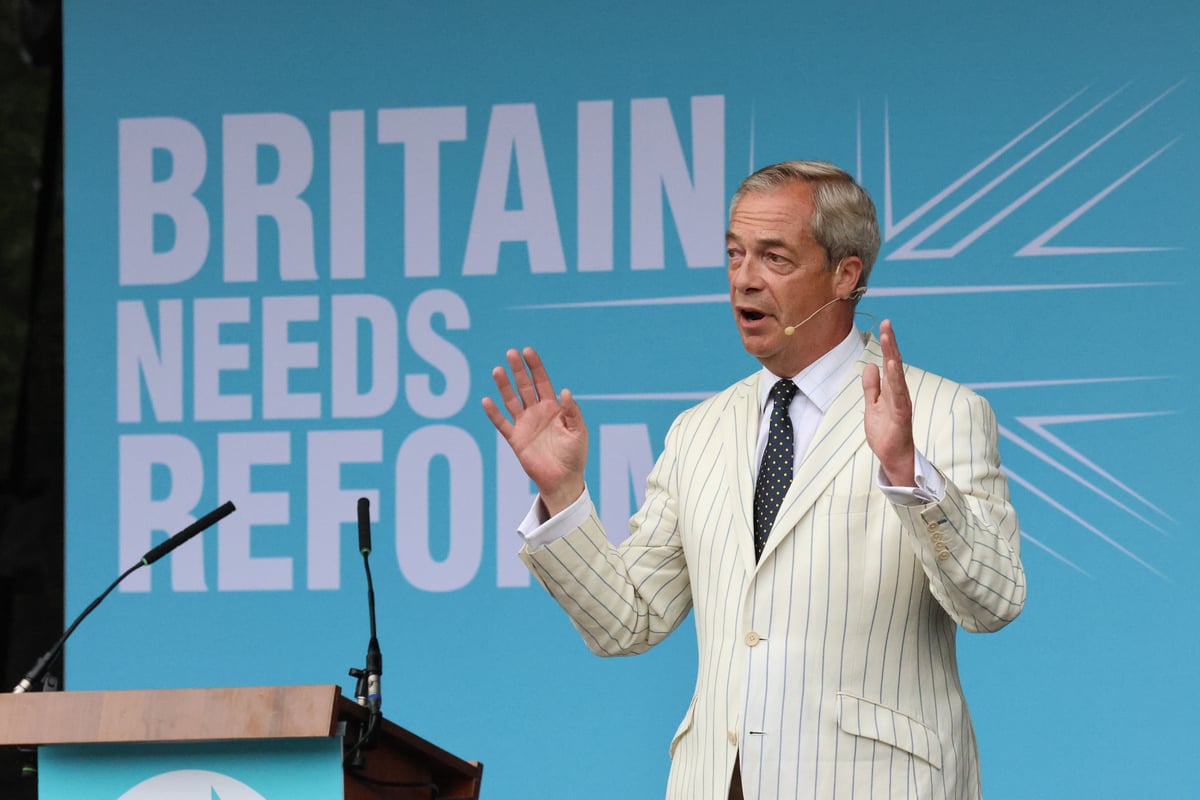
Nigel Farage has discovered what every politician secretly wishes for: a financial disclosure system that works backwards. The Reform UK leader apparently failed to register support from an ally with prior fraud convictions in the US, which is the sort of thing you’d think would make it onto a form somewhere, but here we are.
The Sunday Times reported the undeclared benefits. Farage’s response was immediate and practiced: he’d done no wrongdoing. Reform denied any rules were broken. The Liberal Democrats asked him to be “straight with the British people,” which is politician-speak for “we both know you won’t be.”
Here’s the beautiful part: Farage has spent years demanding transparency from others. He’s the man who made his career pointing at institutions and demanding they show their working. Now he’s the institution, and the working is invisible.
Why do politicians always assume transparency is something that applies to everyone except them? Because it does. Because the system is designed by people who benefit from opacity, and they’re very good at defending it when caught.
The Reform UK leader claims vulnerability. His rivals smell blood. Nobody will face consequences. In three weeks, this will be replaced by another scandal involving another politician’s undeclared whatever. The cycle continues, the forms stay blank, and we all pretend to be shocked.