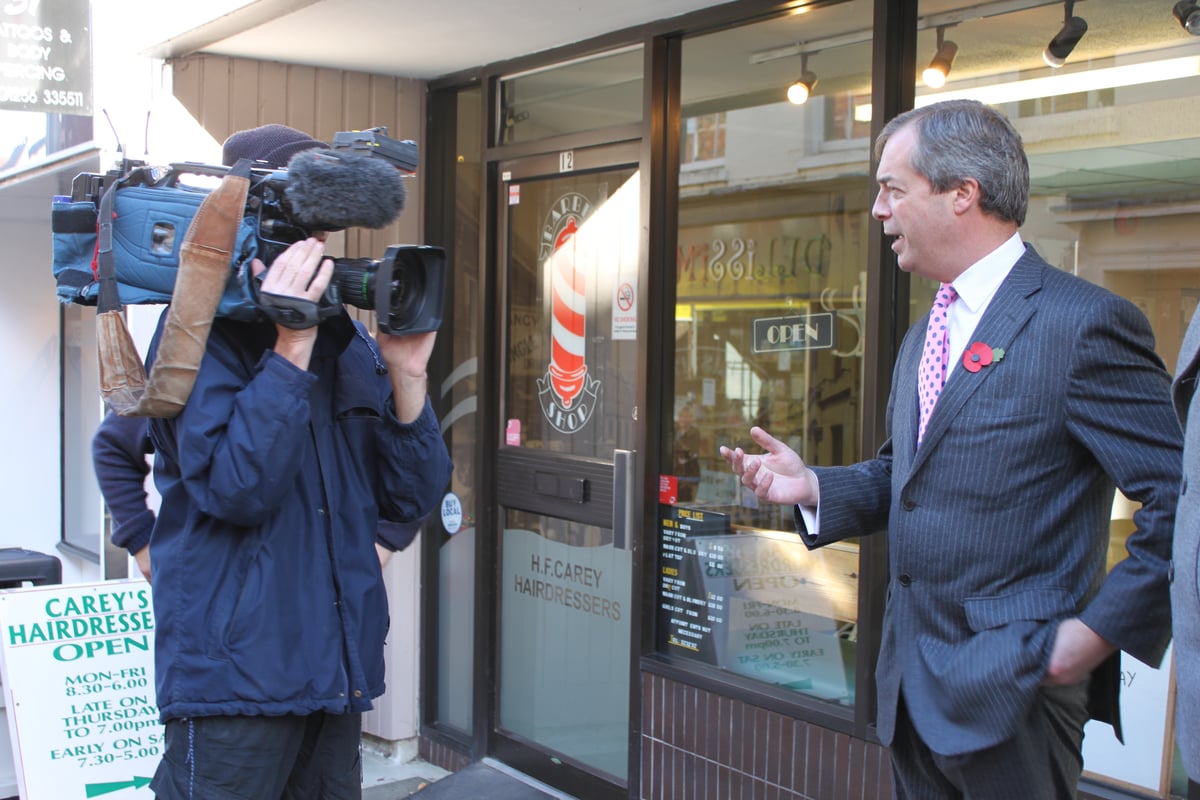
Nigel Farage has found the silver lining in his party’s catastrophic donations scandal: a reality television format. After Channel 4 caught his senior aides on film discussing ways to circumvent election law, and two of them promptly resigned, Farage told the BBC he “wasn’t listening” during the undercover conversations. This is the political equivalent of a chef saying he didn’t taste the food he served.
The Reform leader’s response to the fiasco has been pure theatre. His aides’ comments about dodging donation regulations were merely “loose pub talk,” he explained, as if candid discussions about breaking the law become acceptable once you add the right atmosphere. Two staffers lost their jobs anyway. His family is reportedly begging him to quit. And yet Farage’s solution is to blame a “whole ecosystem” of complainants trying to stop the “new kids on the block” from succeeding—a phrase that suggests he either doesn’t understand how election law works or believes it’s an obstacle course designed by his enemies.
What Farage has accidentally created is the perfect pitch for streaming platforms. Imagine the format: politicians competing in real time to secure donations while navigating increasingly absurd legal frameworks. Each episode features a different candidate trying to explain why their foreign funding arrangement was “just pub chat.” The finale is whoever can keep a straight face the longest while an undercover reporter asks them to commit minor felonies.
The BBC’s Laura Kuenssberg didn’t need to ask follow-ups. Farage provided the entire scandal himself, gift-wrapped in denials and conspiracy theories.