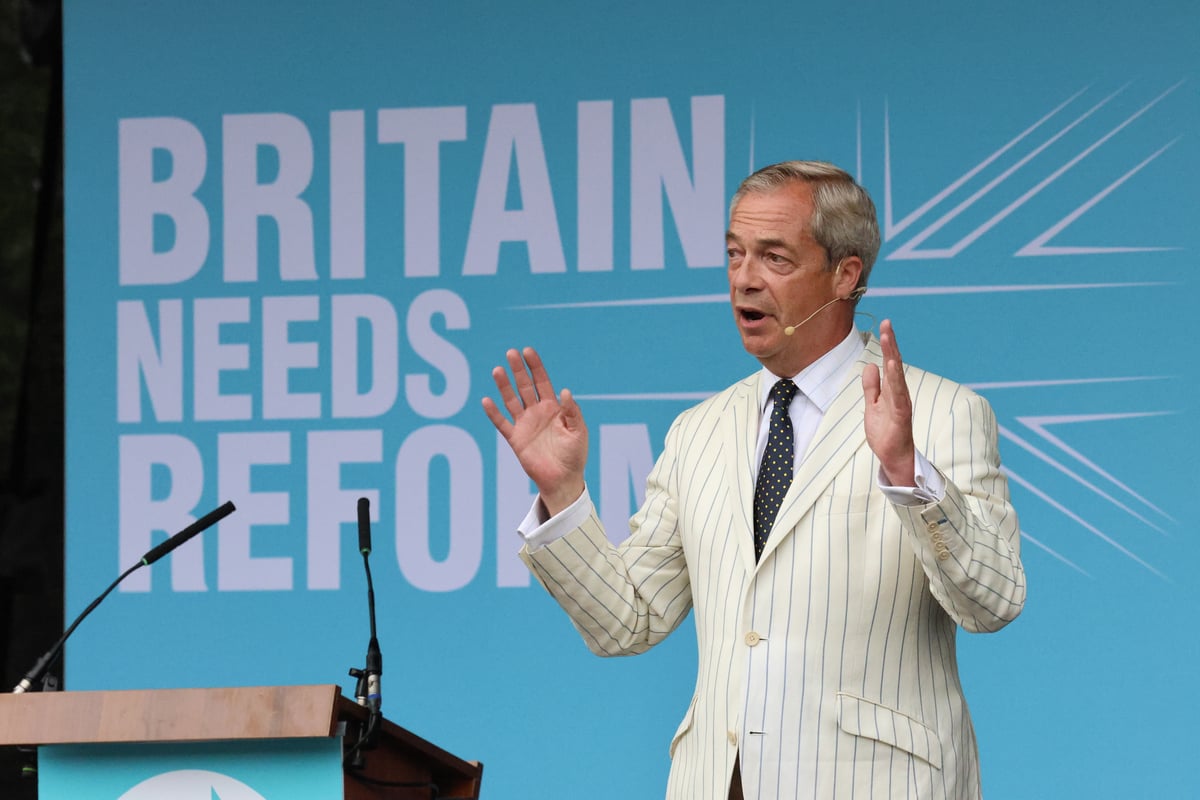
Nigel Farage’s phone got hacked. He called the police. This is where the irony stops being subtle and becomes a physical object you can hold in your hand.
Reform sources told the press on Sunday that their leader’s mobile device had been compromised, allegedly by Russian actors who apparently have better things to do than monitor British populist politicians. The accusation went straight to law enforcement, which is the correct and sensible response when your phone gets breached. No argument there.
The problem is what Farage has spent the last eighteen months arguing for.
His party’s tech policy platform includes a robust push for reduced encryption standards, weakened data protection requirements, and what amounts to a ‘just trust us’ approach to digital security. The stated goal is to make it easier for police to access citizens’ devices and communications. Easier backdoors. Weaker locks. More surveillance, less privacy. The pitch has been consistent: security through transparency, safety through surrender.
So when his own phone got turned inside out by actual hostile actors, the response was not ‘well, this is awkward.’ The response was ‘investigate this immediately.’ The response was ‘my privacy matters.’ The response was every single thing he’s been arguing against for everyone else.
Does the irony register? Yes. Immediately. Painfully. The man campaigning to make your phone easier to hack just discovered that his phone got hacked and found the experience unpleasant.
The timing is almost too perfect to be real. Labour reportedly filed the police report, which means they got to watch their political opponent spend months arguing for weaker security standards, then watch him panic when those weaker standards became a real problem. It’s the kind of own-goal that would be funny if it weren’t so transparent about how political principles evaporate the moment they become personally inconvenient.
Farage’s team hasn’t commented on the contradiction. They’ve focused on the hack itself—the breach, the investigation, the very real security threat that apparently matters a lot when it’s his phone. The policy position remains unchanged. The irony remains unacknowledged.
This is how political hypocrisy works in 2026. Not with denial or spin, but with selective amnesia. The same person who argues that citizens don’t need privacy protections because ‘if you have nothing to hide, you have nothing to fear’ will absolutely demand privacy protections the moment his own communications are at risk. The logic doesn’t survive contact with personal consequence.
The police investigation will probably find something. Or it won’t. Either way, Farage got to experience the exact problem he’s been arguing doesn’t matter. His response tells you everything you need to know about whether he actually believes his own platform.