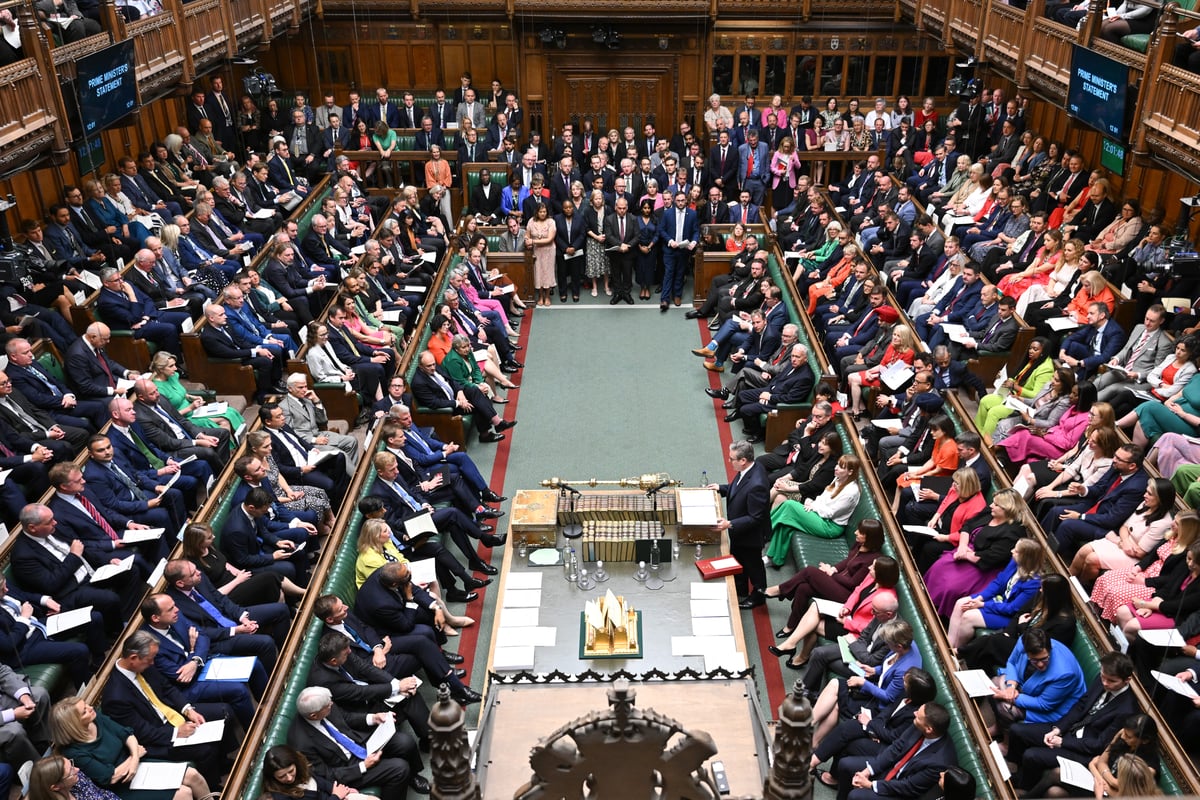
Bridget Phillipson has discovered what every politician secretly knows: insulting your opponent at Prime Minister’s Questions is just free marketing copy. After Kemi Badenoch called her a ‘spiteful class warrior’ during parliamentary theatre, Phillipson announced she’s turning the phrase into merchandise.
This is where British politics lives now. Not in policy documents or legislative debate, but in the merch store. The Education Secretary will monetize a three-word burn delivered during a 90-second TV segment watched mostly by Westminster obsessives and political junkies who already have opinions.
The actual disconnect is staggering. While Phillipson designs t-shirts, schools are rationing toilet paper. Teachers are buying classroom supplies with their own wages. But sure, let’s turn parliamentary name-calling into a revenue stream. The irony of a class warrior commodifying insults about being a class warrior is so thick you could print it on cotton and sell it for £24.99.
What makes this genuinely absurd isn’t that politicians are petty—that’s expected. It’s that the response to being insulted is now indistinguishable from a startup pivot. Badenoch insults, Phillipson pivots to merchandise, the cycle completes, nobody’s actually addressed education funding, everyone goes viral.
The t-shirt will sell out. People will wear it ironically. Then sincerely. Then they’ll forget what the original insult even meant. This is how political discourse becomes a perpetual merchandise drop.