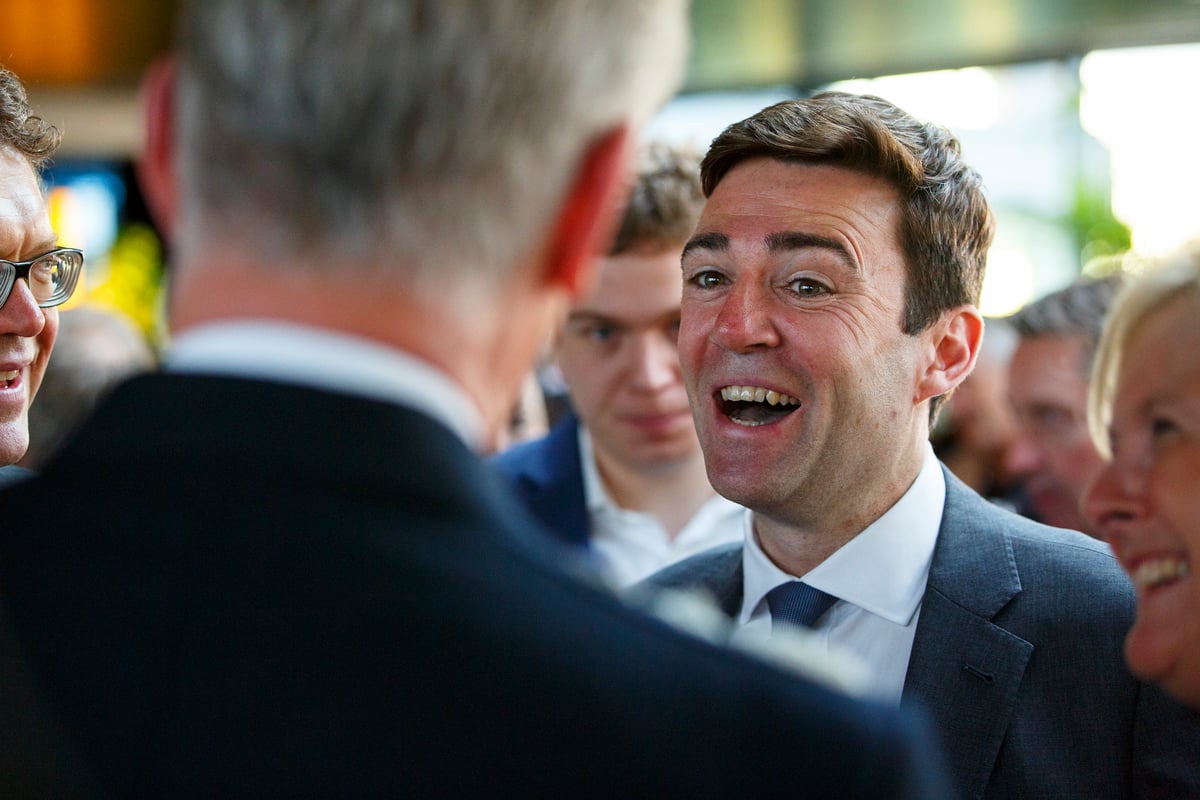
Andy Burnham is preparing to lead Labour into government by doing what every politician does before taking power: meeting with people who already agree with him and making promises he’ll address later.
The prospective prime minister has been busy. He’s meeting trade union leaders to discuss his possible chancellor. He’s calling for deportations. He’s nodding along while female MPs tell him that yes, women should probably have jobs in his government too. David Miliband, a man whose political judgment is remembered primarily for the time he lost to his brother, has endorsed him with the kind of energy you’d expect from someone who read the briefing notes.
What’s remarkable about Burnham’s ascent is not the ambition—every Labour leader promises equality and justice and a fundamental reset of British politics. What’s remarkable is the complete absence of any actual detail about how any of this happens. The unions want to know about the chancellor. The women want gender parity. The public presumably wants to know what any of this costs and who pays for it. Burnham’s response, across all three fronts, has been a masterclass in the art of saying things while committing to nothing.
He will “ask” the home secretary about deportations. He is “open” to female representation. He has “energy.” These are not policies. These are the words you use when you haven’t decided yet but need the headline to say you care.
The real test won’t come when Burnham meets with union leaders or female MPs or former foreign secretaries who think he’s nice. It will come the moment he actually has to choose between what he promised and what he can afford. That’s when we’ll find out if his openness and energy survive contact with a £22 billion fiscal black hole and a public that voted for something different three years ago.