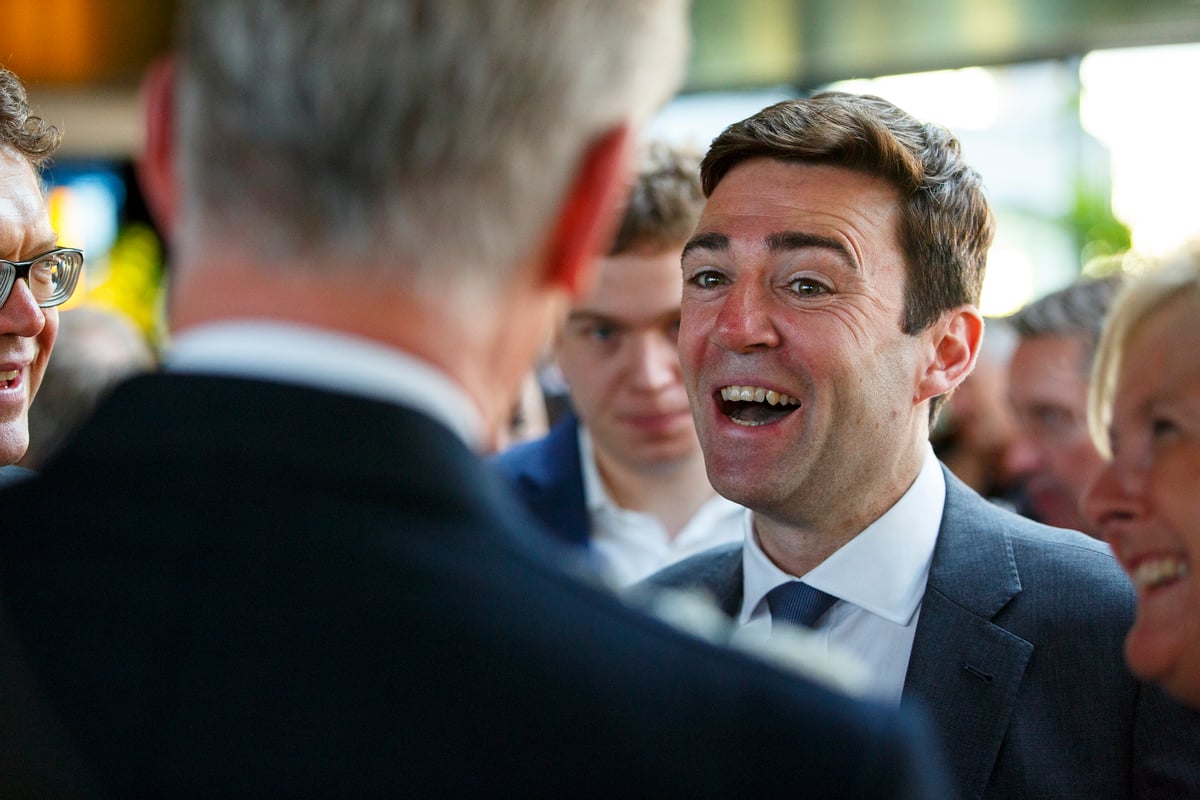
Andy Burnham, soon-to-be Prime Minister, has made a bold strategic decision: he will not call an early election. Instead, he will honour the 2024 Labour manifesto with the devotion of a man who has definitely read all of it and knows where every promise went.
The move is being framed as a show of stability. What it actually represents is Burnham’s recognition that an election campaign would require him to publicly account for commitments that have since acquired the status of urban legend. Some say they exist. Nobody can prove it.
Why not just hold an election and start fresh? Because fresh manifestos require admitting the old one failed to materialize. Sticking to the 2024 version means Burnham can spend the next five years conducting what aides are calling a “comprehensive reconciliation process”—a nationwide scavenger hunt for promises that may have been left on a train, donated to charity, or simply forgotten in a filing cabinet at party headquarters.
The manifesto itself remains a document of remarkable ambition and equally remarkable vagueness. Burnham’s commitment to it is therefore technically unbreakable. You cannot fail to deliver something nobody can precisely define.
Labour’s internal communications now resemble a lost-property office. Staff have been tasked with locating specific pledges, cross-referencing them with budget allocations, and determining which ones were metaphorical. The process is expected to take until 2029, at which point a new manifesto will be written and the cycle begins again.
Stability, it turns out, means never having to say you’re sorry for what you promised.