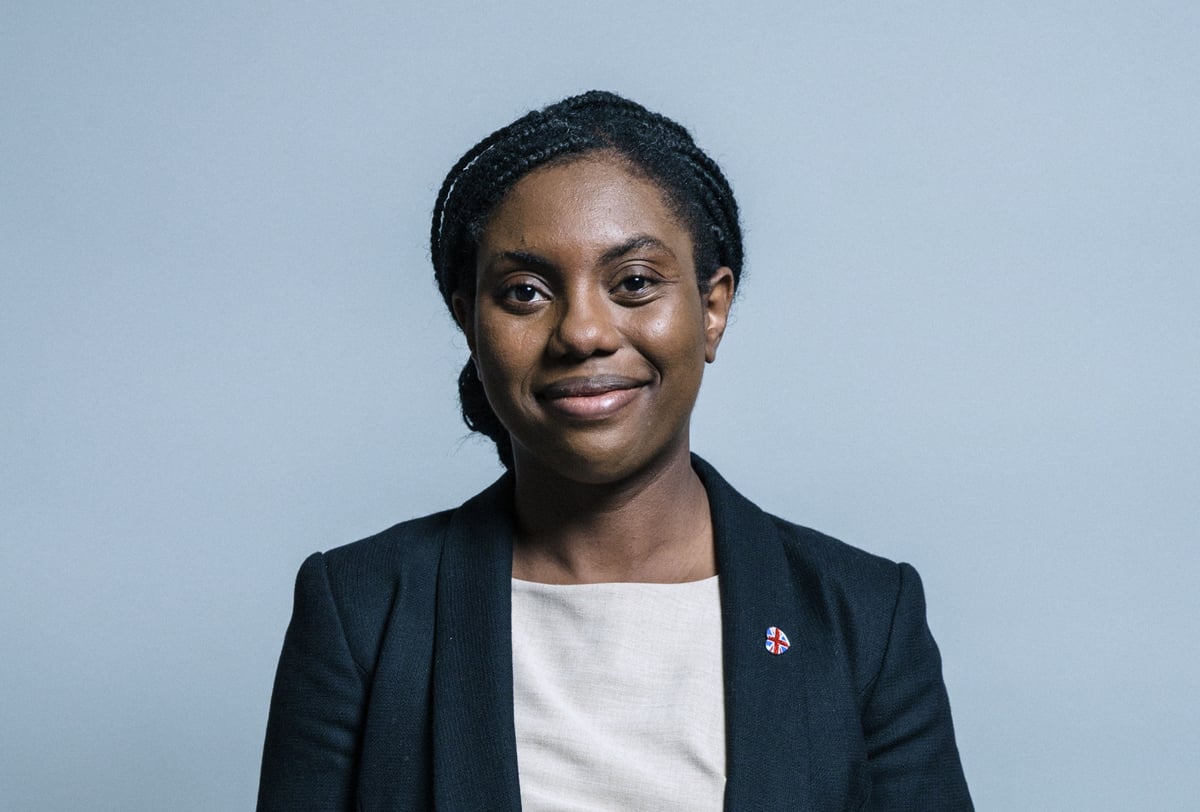
Kemi Badenoch has identified the root cause of Britain’s imminent collapse: people disagreeing about things on the internet. The Conservative leader, speaking to BBC Radio 4 with the gravity of someone who has just decoded an ancient prophecy, warned that rising tensions between groups on the left and right could spiral into actual civil war. Not metaphorical civil war. Not political division. Actual war. With guns. Because Twitter arguments have historically always escalated that way.
The timeline is conveniently vague. Could be years. Could be decades. Could be next Thursday if someone makes a bad joke about pronouns on the wrong subreddit. Badenoch did not specify, which is the mark of a serious political strategist—the less concrete your prediction, the less likely anyone can prove you wrong when it doesn’t happen.
What makes this particularly useful is that identity politics is now officially the thing that will destroy Western civilization, which means every politician can point at literally any social disagreement and say: “You see? Civil war incoming.” Someone complains about representation in advertising? Civil war. Someone else complains about the complaint? Also civil war. Two people arguing about whether a pronoun is offensive? That’s not a Tuesday on the internet, that’s the opening salvo of armed conflict.
Why do politicians keep doing this? Because catastrophe sells better than competence. A leader warning of imminent collapse sounds serious and prescient, even if the prediction is indistinguishable from a fever dream. A leader saying “we will incrementally improve public services” sounds like someone who has attended meetings. Meetings are boring. Civil war is content.
The genius of the identity politics angle is that it’s unfalsifiable. Everything is identity politics now—healthcare, economics, environmental policy, whether baked beans belong in a full English breakfast. So when civil war doesn’t happen, Badenoch can simply point to any ongoing social tension and say the prevention is working. Or the timeline just shifted. Or people stockpiled enough scones that the conflict was averted through afternoon tea diplomacy.
Britain has spent the last decade conducting a masterclass in political division—actual division, with real consequences for actual people—yet somehow managed not to have a civil war. But sure, the next phase of identity disagreement is definitely the one that tips it. Not the last phase. Not the one before that. This one. The one being warned about right now, in June 2026, by someone who needs to seem important.
The documentary, titled “England’s Identity Crisis,” is presumably the kind of high-minded inquiry where serious people sit in serious rooms and discuss serious problems with serious expressions, then release it to the public as a warning rather than an analysis. The subtitle might as well be: “We Talked About Bad Things and They Are Still Bad.”
Citizens are advised to begin preparations immediately. Stock your bunker with Earl Grey. Reinforce your kitchen with Victoria sponge. Practice your evacuation procedures using only the Queen’s English. Most importantly, stop disagreeing with people online, because apparently that’s what starts wars now, not resources, territory, ideology, or the actual material conditions that historically precede armed conflict.
Barring some unprecedented shift in how social media works, Badenoch’s prediction will join the graveyard of political doomsaying—filed next to the Y2K bug, the millennium dome’s redemptive potential, and every other prophecy that sounded urgent at the time but failed to materialize because reality is far too boring to cooperate with anyone’s narrative. By 2030, someone else will be warning about a different crisis caused by the same mechanism, and the cycle will continue, each iteration slightly more absurd than the last, until we’re all so numb to catastrophe that an actual problem will arrive unannounced and we’ll mistake it for another press release.