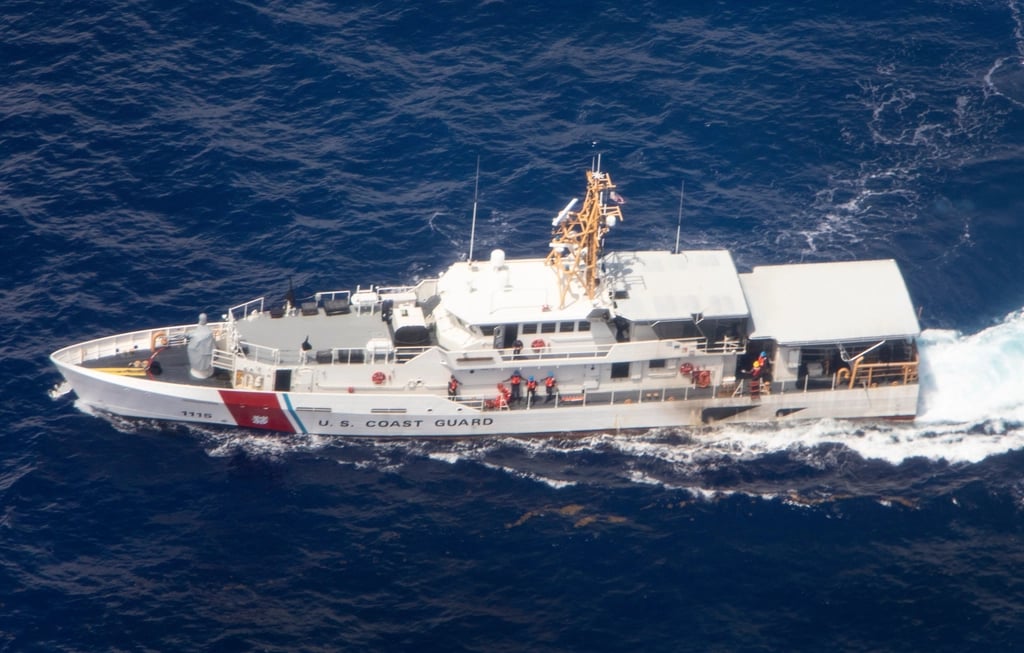
The attorney general has discovered a new rhetorical device: accusing other politicians of wanting to let people drown in the sea. Not metaphorically. Literally. In the sea. Drowning.
This is what passes for policy debate in 2026. One minister suggests another minister’s approach to small boat crossings is functionally equivalent to maritime homicide. The other minister calls this characterization a disgraceful slur. Both are correct, which is the problem.
The irony is so thick you could drown in it. Politicians who have spent the last five years drowning their own credibility in scandal, incompetence, and contradictory statements are now competing to sound most alarmed about actual drowning. They’ve destroyed public trust, fumbled basic governance, and reversed their own policies so many times the electorate has stopped paying attention. But small boats? Now they’re theatrical.
Why do politicians reach for drowning metaphors instead of, say, discussing actual policy? Because drowning is visceral. It’s emotional. It requires no explanation of how immigration systems work, what the legal alternatives are, or why people take dangerous routes in the first place. Just: drowning. Bad. Other guy wants drowning.
The real disgrace isn’t the small boats. It’s watching grown adults in government positions debate whether their opponents secretly want maritime casualties, as if this is a serious use of their time and our money. The attorney general’s outrage is genuine. So is his complete absence of self-awareness.
Both sides are now drowning in their own rhetoric. At least the boats stay afloat.