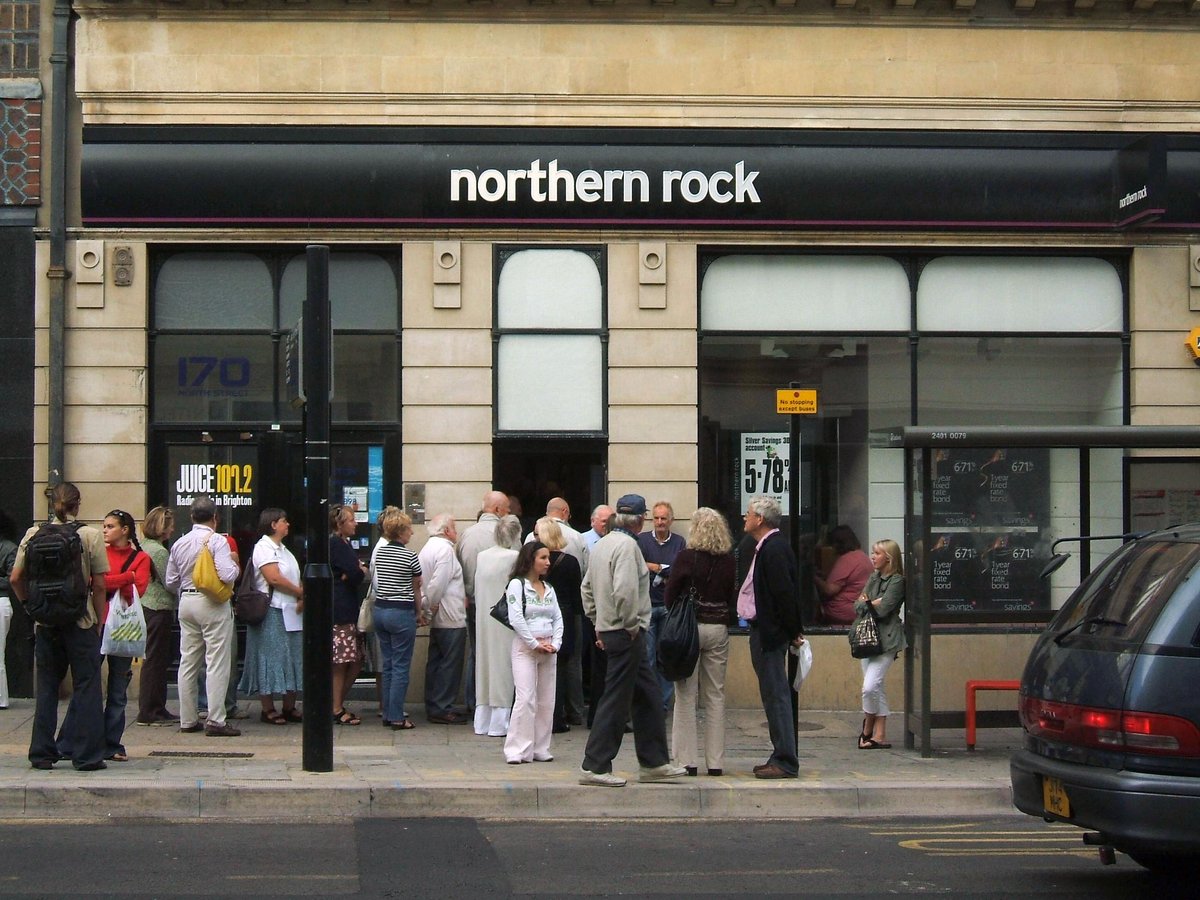
In 2008, banks nearly collapsed the global economy by lending money to people who could not possibly repay it. Regulators learned their lesson, tightened rules, and promised it would never happen again. By 2026, we had solved the problem: instead of hiding the risk, we just made it official policy.
The UK mortgage market has now reached its highest share of zero-deposit loans since the financial crisis that taught everyone this was a terrible idea. Borrowers are walking into banks with nothing — not a penny saved, not a down payment, not even a rainy-day fund — and walking out with keys and a 25-year contract to pay back more than they will ever own.
The logic is actually beautiful in its circularity. You cannot afford a home because you do not have a deposit. So instead of saving a deposit, you borrow the deposit. You are now in debt before you even own the house. But here is where it gets clever: the house itself is your investment. You will definitely not lose your job. House prices will definitely keep climbing. And if they do not, well, you own nothing anyway, so what is the difference between owing the bank £400,000 and owing them £440,000?
It is not a financial strategy. It is a faith-based initiative dressed up as homeownership. And somehow, regulators are letting it happen again.
The absurdity is not that people need to borrow. It is that we have decided the solution to unaffordable housing is to make borrowing more aggressive, not housing more affordable. We are not fixing the problem. We are just getting better at pretending we are.