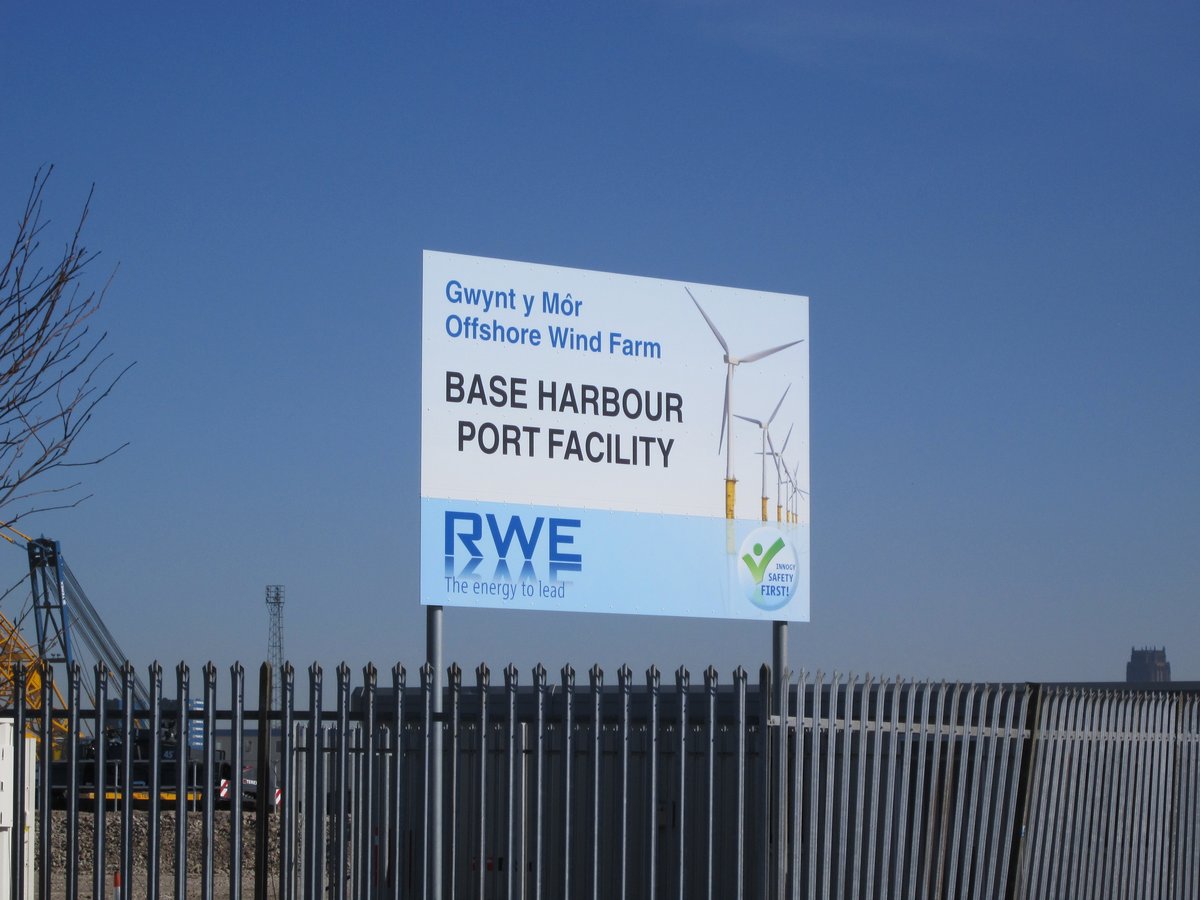
The United States has just paid a German energy company $1.2 billion to not build offshore wind farms. Let that sink in. We are literally writing checks to prevent renewable energy from existing.
RWE, one of Europe’s largest power producers, had planned to develop wind projects off the US coast. Now they will not—because the government decided that paying them to abandon the effort was cheaper than, say, letting the market work or accepting that wind turbines exist. This is not a negotiation. This is not a trade deal. This is a subsidy for inaction, dressed up as deal-making.
The logic is almost impressive in its backwards simplicity: climate change is real and urgent, so we are paying foreign companies to ensure it gets worse. It is like hiring someone to extinguish a fire and then paying them extra to pour gasoline on it instead.
This joins a growing list of wind project cancellations, each one a small victory lap for people who believe that the 1950s were a better time—at least for the air quality in their nostalgia. Coal plants do not build themselves, and apparently, neither do the political conditions needed to keep them relevant. You have to buy that relevance, one billion dollars at a time.
For the rest of us watching electricity bills and weather patterns get worse simultaneously, it is a useful reminder: sometimes the most expensive thing a government can do is nothing—as long as it pays someone else to do it.