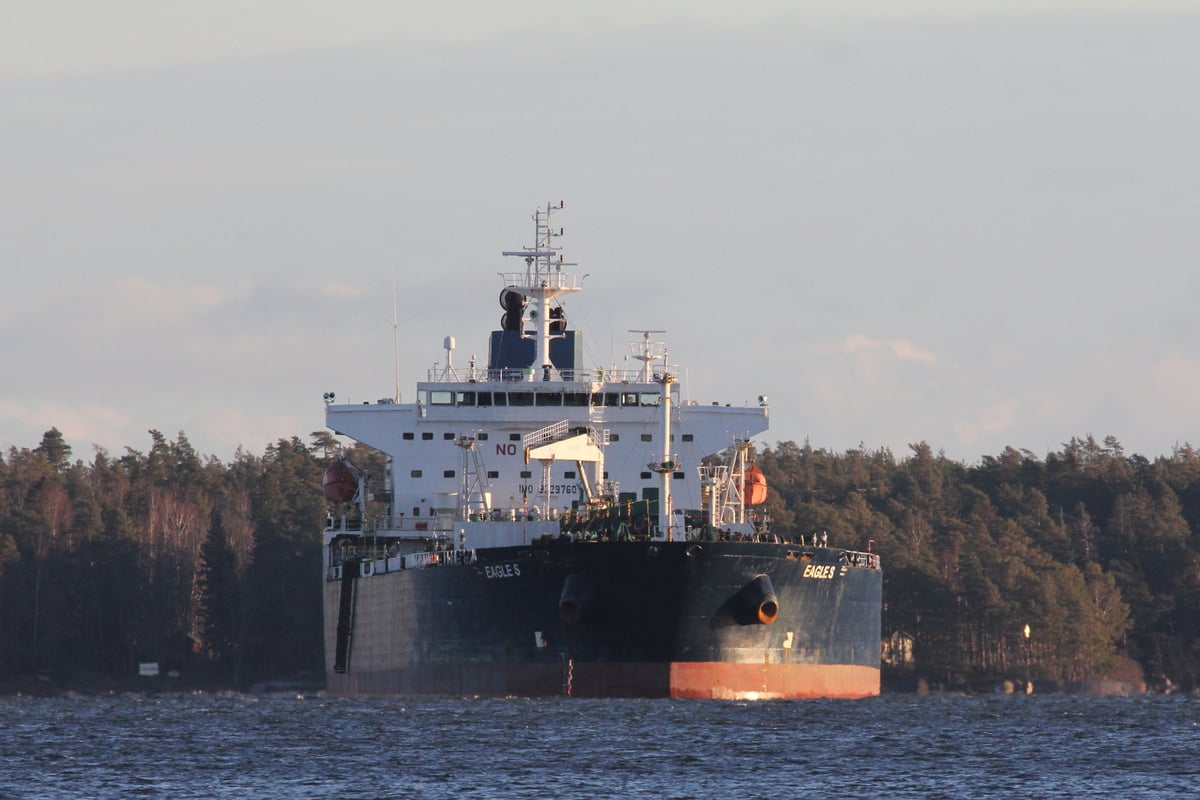
Markets have achieved a state of euphoria so complete that economists are simply declaring victory and going home. The Strait of Hormuz, that minor chokepoint through which roughly one-third of the world’s seaborne oil passes, is open again. Oil prices have collapsed. Stock indices are performing like they just discovered free money. Everyone is treating this as the end of history.
The logic is straightforward enough: more oil supply means cheaper energy, which means companies spend less on fuel, which means bigger profits, which means stonks go up. It is almost as if the market has decided that geopolitical stability is now a permanent state of nature and that nothing could possibly go wrong ever again.
Nobody seems interested in the small detail that Iran and the United States have spent the last two decades treating each other with the warmth of scorpions in a jar. Or that oil markets are now pricing in a future where nobody gets angry, nobody tests missiles, and no regional proxy wars suddenly spike insurance costs on shipping. The market is operating under the assumption that this deal will hold, that no future administration will tear it up, and that the Middle East has simply decided to be chill about everything going forward.
Oil at seventy dollars a barrel. Tech stocks celebrating. Pension funds breathing easier. It is genuinely beautiful—a moment where the entire global financial system has agreed to believe in a future that does not exist yet. What could possibly go wrong with building an entire bull market on the premise that world peace just broke out?
Absolutely nothing. Definitely nothing.