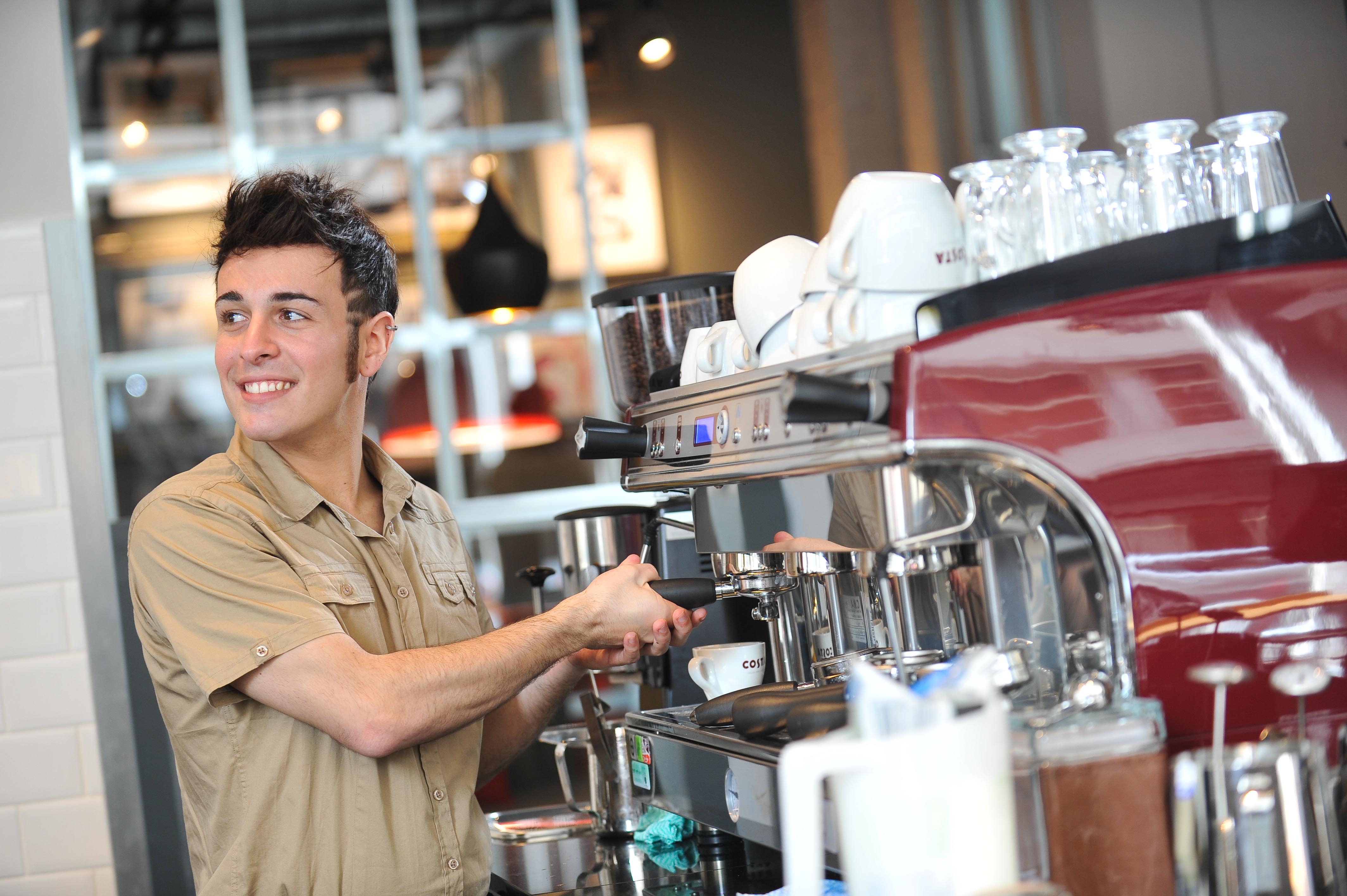
The UK government has announced a midnight social media curfew for older teenagers, and if you squint hard enough at the policy architecture, you can almost see the economic strategy underneath: exhausted teens, unable to doom-scroll past midnight, will have no choice but to shuffle into their local Costa at 6 a.m. for a minimum-wage shift, because what else are they going to do with all that suddenly available consciousness?
The logic is bulletproof, if you ignore the logic entirely. Teenagers currently spend their late nights on TikTok and Instagram—activities that, while economically worthless, at least allow them to remain horizontal and at home. Force them offline after midnight, and they become a captive labour force with nowhere to redirect their energy except into the service economy. A sleep-deprived barista is a compliant barista. A compliant barista is a productive barista. A productive barista is a win for GDP.
The policy does allow teens to opt out, which campaigners have criticized as half-measures. They are correct, though perhaps not for the reasons they intended. An opt-out clause is just a loophole for the motivated—and the government clearly expects most teenagers to lack the motivation to navigate bureaucracy at 11:55 p.m. when their phone is about to die anyway.
This is not actually a secret government plot. It is just what happens when you solve a social problem without thinking about the economic incentives you have accidentally created. The curfew will probably reduce late-night social media use. It will also probably produce an entire generation of seventeen-year-olds with the sleep schedule of shift workers and the disposable income of people who have no time to spend it.