The government has announced that UK shoppers could save as much as £150 million a year on food. That sounds magnificent until you do the maths — which, to be fair, is exactly what the government is hoping you won’t do.
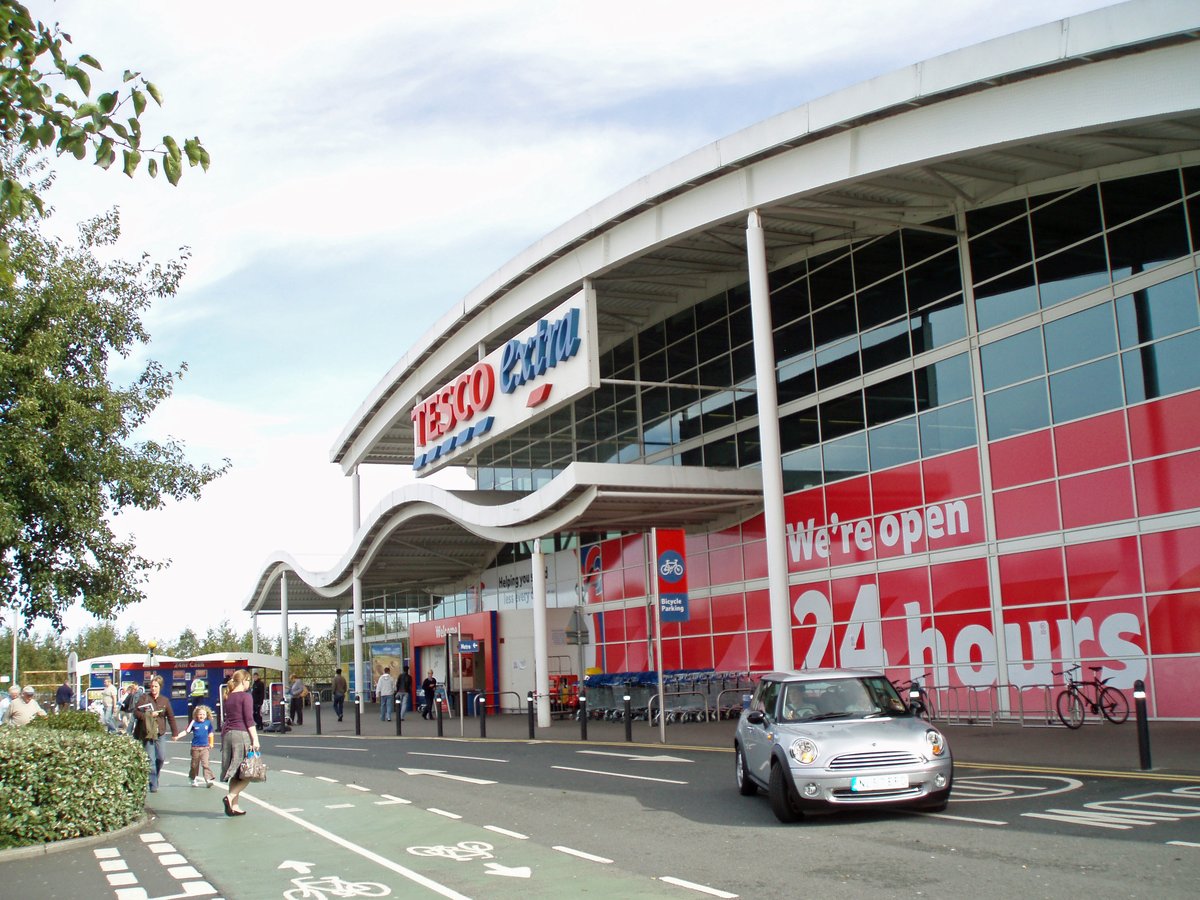
Let’s break this down with the kind of precision that would make a spreadsheet weep. The UK has roughly 28 million households. If we divide £150 million by 28 million households, each family could theoretically save around £5.35 per year. Per year. That is roughly the cost of a single Tesco meal deal, minus the drink and the dessert. So really, it is just a sandwich. A slightly better sandwich than usual, but a sandwich nonetheless.
The government’s suggestion is that households could achieve this windfall by making “smarter” shopping choices. This is where the comedy reaches its crescendo. Because making smarter shopping choices in 2026 requires the financial acumen of someone who has spent the last decade staring at spreadsheets while mainlining espresso.
Consider the modern grocery expedition. You arrive at the supermarket with a list — a carefully curated, price-compared, app-optimised list that you have spent forty minutes constructing the night before. You are armed with at least three different grocery apps, each showing you slightly different prices depending on which store you are shopping at. You have cross-referenced the loyalty scheme discounts against the loss-leader deals. You know that own-brand pasta is cheaper than branded pasta, but you also know that some own-brand pasta tastes like cardboard that has been left in a damp garage for three months.
Then you walk into the shop. And everything has moved. Again. The baked beans are no longer where they were last week. The bread section has been reorganised. Someone has restocked the cereals in a way that suggests they have never seen a human being before. You spend fifteen minutes just locating the items on your list, which means you are now spending £1.20 in extra time and mental energy to save the 47p you identified during your pre-shopping research.
But that is just the mechanical part. The real trick is navigating the psychological warfare. Supermarkets have entire departments dedicated to making you buy things you did not plan to buy. They have spent billions studying how your brain works and have weaponised that knowledge. The smell of fresh bread near the entrance? That is not accidental. The way they put the most expensive items at eye level? That is not a coincidence. The fact that they have suddenly made everything “meal deal” adjacent so you feel like you are getting a bargain when you are actually spending more? That is calculated.
And then there is inflation, which has been doing its own thing entirely. Wages have grown. Prices have grown faster. The gap between the two has become a chasm. So while the government is celebrating a potential £5.35 annual saving per household, that same household has likely watched their grocery bills increase by 15 to 20 percent over the past two years. We are not talking about saving money anymore. We are talking about losing money slightly more slowly.
The real absurdity is that the government has framed this as a “bonanza” — their word, not ours. A bonanza. As if discovering that your annual grocery savings could buy you a fancy coffee is cause for celebration. As if the solution to the cost of living crisis is simply that everyone needs to become a more attentive consumer. As if the problem is not systemic — it is just that we have all been shopping wrong this whole time.
So yes, technically, UK households could save £150 million a year on food. But that money will not be evenly distributed. It will go to the households that have the time, energy, and cognitive bandwidth to optimise their shopping down to the last percentage point. It will go to the people who can afford to buy in bulk because they have the upfront capital. It will go to the households that do not have to choose between a tin of beans and a pint of milk because they can afford both.
For everyone else, the government’s advice to save money on groceries is roughly equivalent to telling someone drowning in the sea that they could save money by swimming more efficiently. Technically correct. Practically useless. And deeply, profoundly absurd.
The real scandal is not that we could save £5.35 a year. It is that we are supposed to be grateful for it.