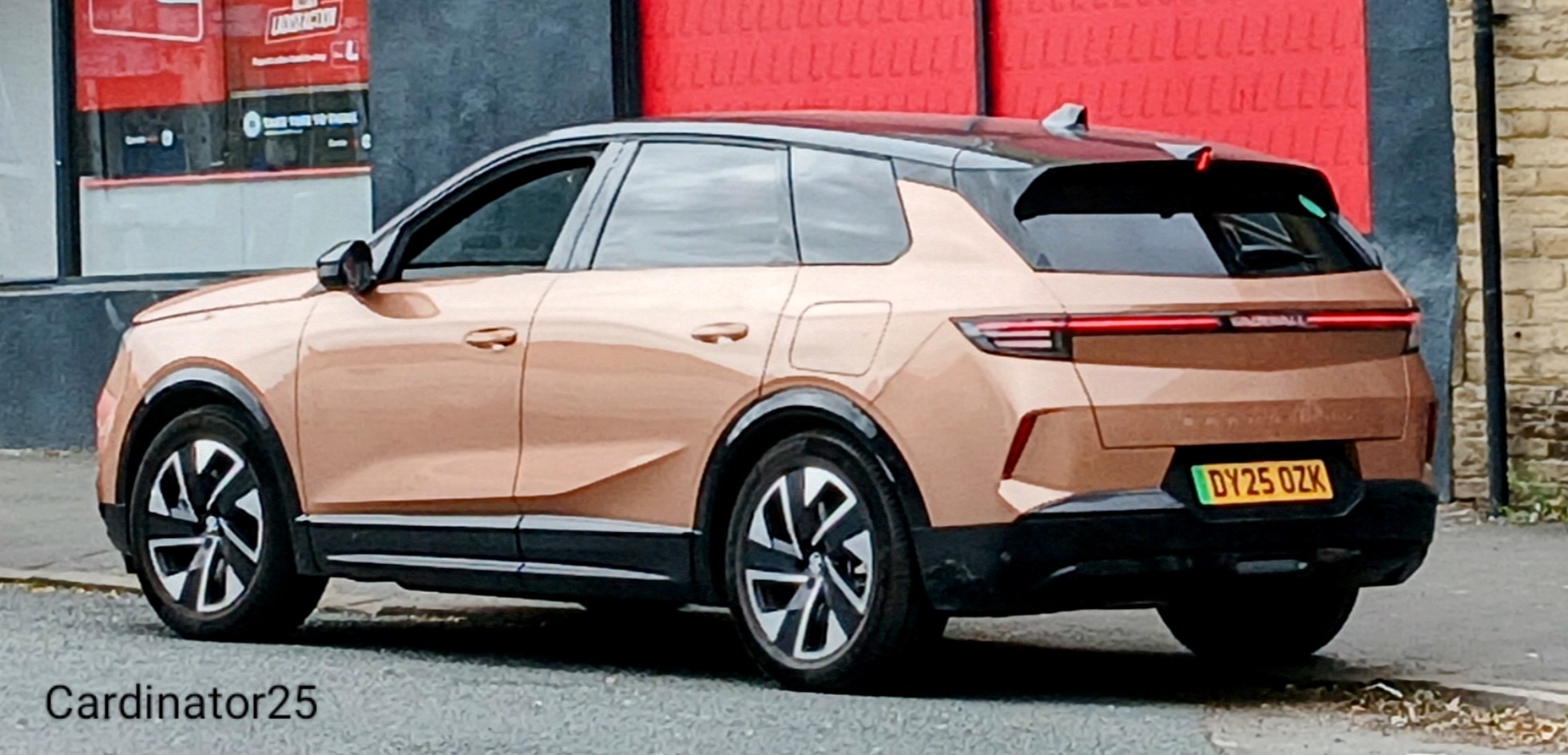
In a stunning pivot that will reshape the automotive industry, the UK government has announced that electric vehicle sales targets will now include any vehicle capable of producing a sound resembling a car horn. This comes after officials admitted that actual electric car adoption figures have been, well, less than electric.
Instead of the embarrassing task of explaining why people still prefer petrol cars, the Department for Transport has simply expanded the definition of “electric” to encompass a broader range of vehicles. A bicycle with a squeaky brake? Electric. A shopping trolley with a faulty wheel? Electric. A teenager with a kazoo? Technically electric if you squint hard enough.
The move reflects a government strategy of redefining problems out of existence rather than solving them. When your target is to have a certain percentage of vehicles be electric by 2030, and people stubbornly keep buying combustion engines, the logical solution is to change what counts as electric.
Different target numbers are still under consideration, though sources suggest the government is leaning toward a definition so loose that merely honking your horn while driving a diesel lorry would qualify. One insider described the new criteria as “flexible,” which appears to be civil service shorthand for “we gave up.”
The announcement comes as a relief to manufacturers, who can now simply install novelty horn apps on regular cars and claim they meet net-zero requirements. Britain’s commitment to climate goals remains unchanged—it just no longer requires any actual changes.