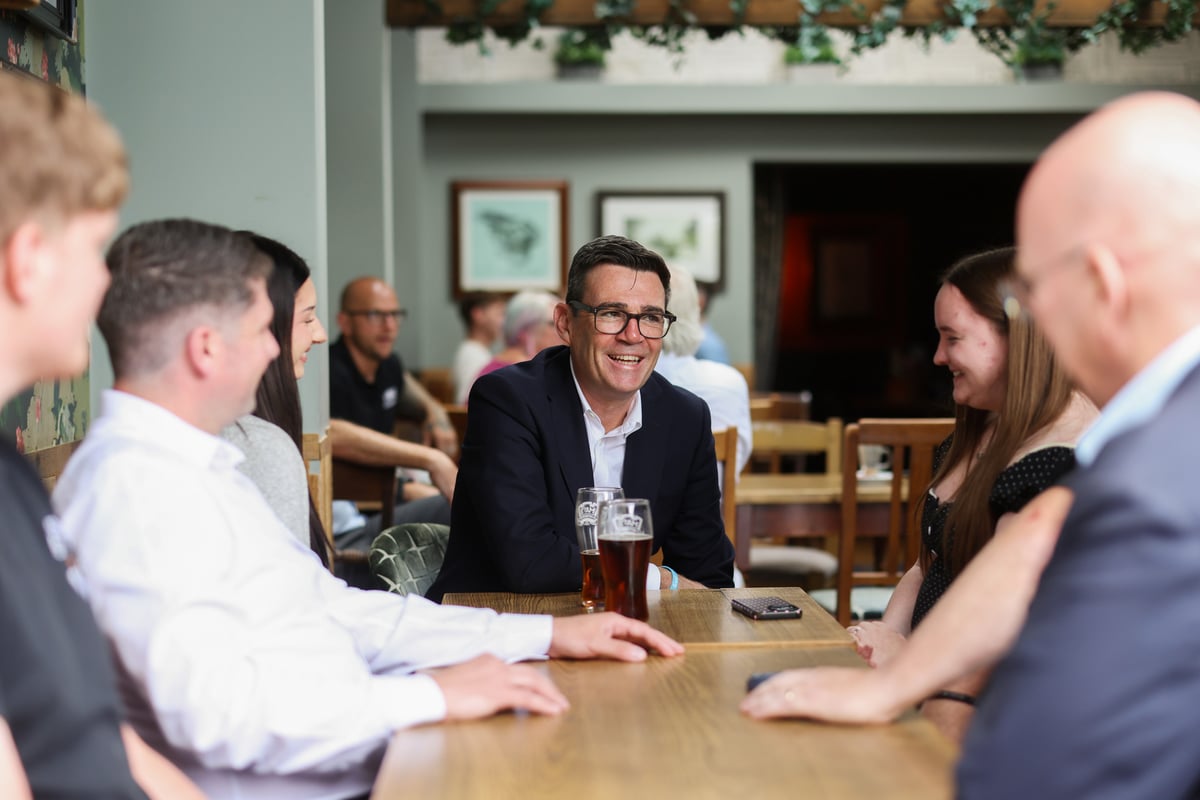
In a move that can only be described as economic performance art, the UK government has unveiled its bold new strategy for business growth: make risk-taking so expensive that entrepreneurs have no choice but to gamble everything on a wing and a prayer.
Prime Minister Burnham has been vocal about backing those who take risks, calling for a cultural shift toward entrepreneurship. The problem, however, is that his government has simultaneously been increasing business costs across the board—National Insurance contributions, energy levies, compliance fees, and regulatory overhead that would make a medieval toll collector blush.
The logic is almost beautiful in its perversity. By raising the cost of doing business to stratospheric levels, the government has essentially created a financial moat that only the most reckless or desperate entrepreneurs can cross. Why play it safe with a modest, sustainable business model when the tax burden alone could bankrupt you? You might as well swing for the fences and hope something sticks.
It is a masterclass in inadvertent incentive design. The message to UK businesses is clear: we want you to take risks, but we are going to make sure the only viable strategy is to bet the farm. Conservative planning? Impossible. Incremental growth? Financially unviable. Slow, steady expansion? That is for countries that do not understand how to combine contradictory policy goals into a single, elegant paradox.
Small business owners across the country are reportedly confused but oddly impressed by the sheer audacity of the approach. One entrepreneur summed it up perfectly: “If I am going down anyway, I might as well go down swinging.”