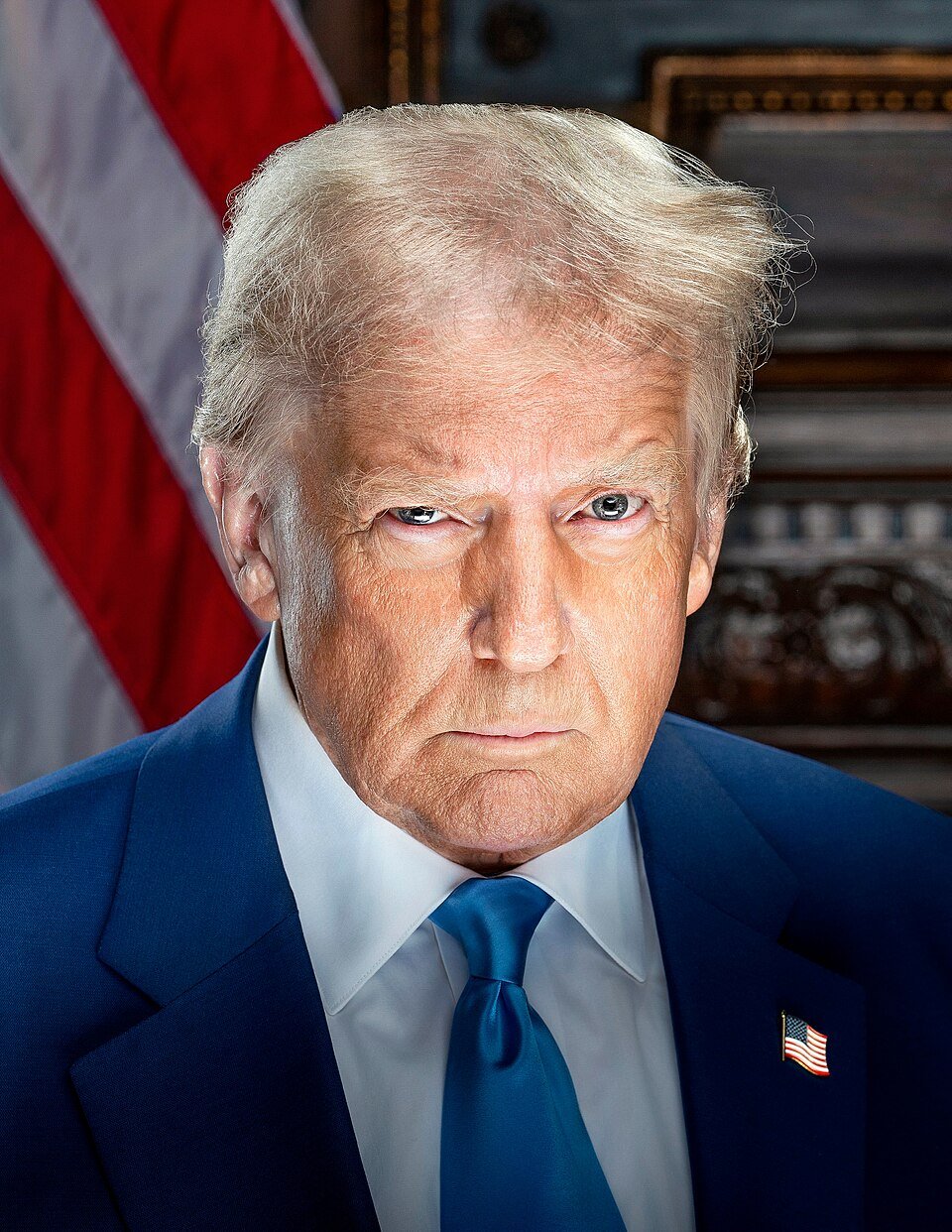
Nobody asked for a game show in the boardroom, but after the White House got involved in Nvidia’s leadership, the boardroom now has a host. The President reportedly stepped in to bring back chief executive Jensen Huang, a move that has tied one politician’s comeback to one chipmaker’s share price. Think of it as a program where the prize is relevance and the contestants are whoever is standing at the podium when the quarterly numbers come in.
The format is simple. Each week a CEO walks onto the stage, the market reads the scoreboard, and someone gets escorted to the exit with a cardboard box. Huang survives the round, the President claims the win on social media, and the studio audience applauds loudest of all. Nobody asked the shareholders whether they wanted to play, but they are contestants too, mostly by default.
As a way to run a chip company, this is a bad idea. Chipmaking rewards years of patient engineering, not ratings spikes. But ratings are the point. A politician who loses his grip on the news cycle needs a new cycle to grip, and a multi-trillion-dollar company whose stock moves like a slot machine makes a very convenient prop.
So what should you do? Nothing about your savings changes because a studio audience cheered. Keep your index funds boring, check them twice a year, and let the drama play out without you. Entertainment is fine. It is a lousy retirement plan.