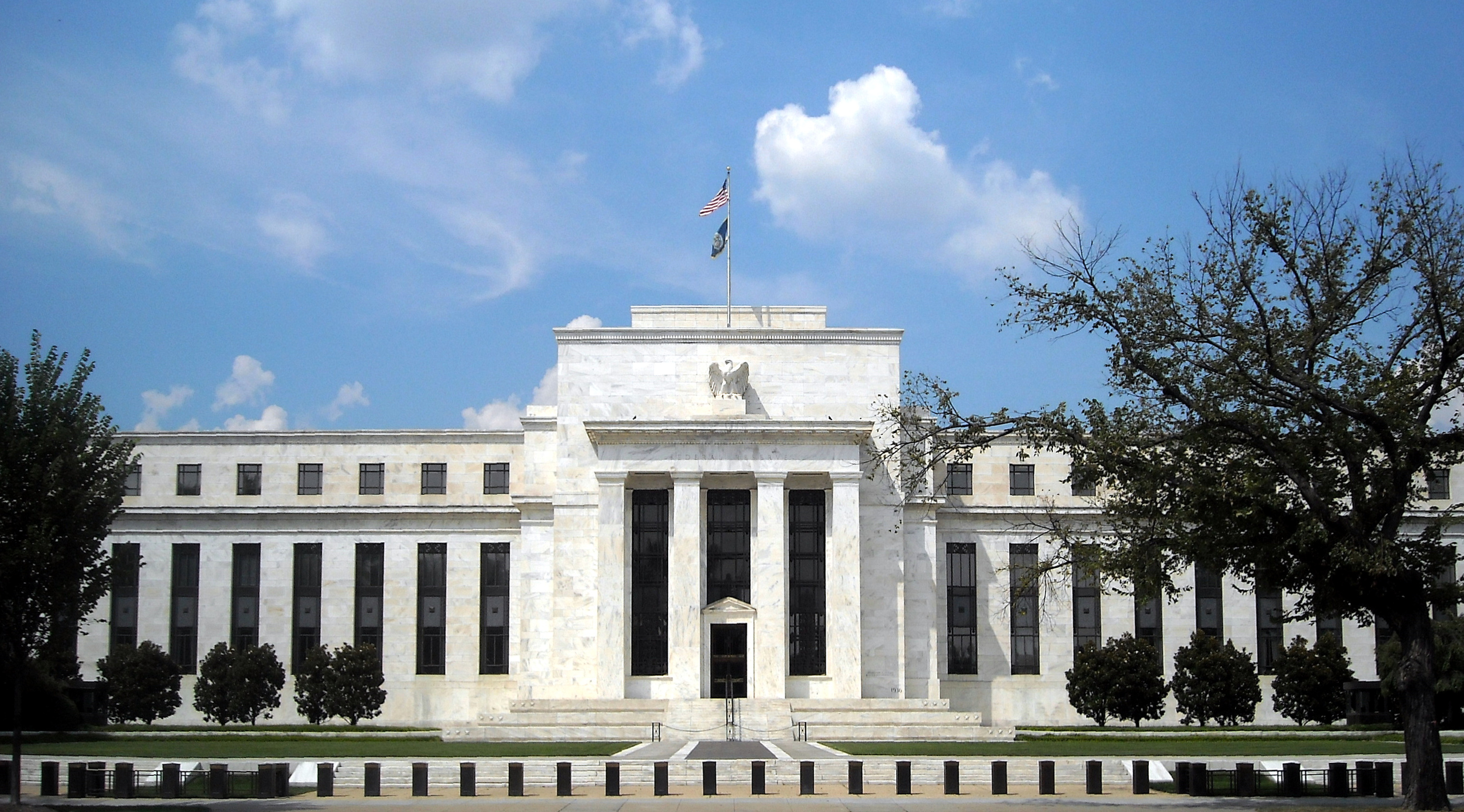
We have appointed a new Federal Reserve chair, and everyone is very excited about the rates. The rates will fall. They will fall because the new chair has promised this, and promises are what monetary policy is made of now.
Let’s be clear about what just happened: the President has selected someone to run the central bank of the United States with the explicit understanding that their job performance will be measured by whether interest rates go down. Not whether inflation stays stable. Not whether the financial system remains solvent. Whether rates go down. It’s like hiring a surgeon and telling them their annual review depends entirely on whether you feel less cold afterward.
The absurdity here is not that rates might fall—they might, depending on inflation, employment, and a thousand other variables that exist outside any human’s control. The absurdity is that we have collectively decided that a presidential appointee can be publicly rebuked for failing to deliver on an outcome that is not actually within their mandate to guarantee. The Fed is supposed to be independent. It is also supposed to answer to the President if it does not lower rates fast enough. These two things are contradictory, but we are living in the time of contradictions, so we are simply accepting both as true simultaneously.
This is not a new problem. Every president since at least the 1980s has wanted lower rates. Lower rates make the economy feel good in the short term—borrowing is cheaper, asset prices tend to rise, unemployment often falls. They also tend to fuel inflation over time and create bubbles, but those are problems for the next administration, so they are not real problems. The difference now is that we have stopped pretending the Fed chair is independent and simply stated the expectation directly. It is almost refreshing in its honesty.
Here is what the new chair actually controls: the federal funds rate, which is the interest rate that banks charge each other for overnight loans. This is not the rate your mortgage company charges you, or your credit card company, or your student loan servicer. Those rates are influenced by the Fed’s rate, but they are set by thousands of individual institutions responding to their own incentives. The new chair can move the lever, but they cannot make the water flow uphill.
What they can do is communicate. They can tell the market what they think will happen. They can make promises about future policy. They can, in effect, manage expectations. And if they do this well, markets will move in anticipation. If they do it poorly, or if the economy does something unexpected—like having a financial crisis, or a trade war, or a sudden spike in energy prices—then the rates will not fall, and the President will be disappointed, and we will all be told that the Fed chair has failed.
The economic reality underneath all this is that the U.S. is currently running massive budget deficits while trying to maintain high employment and stable prices. These three things are difficult to have simultaneously. You can have two of them. You can have low unemployment and stable prices if you are willing to run surpluses or accept higher deficits in good times. You can have low unemployment and high deficits if you are willing to accept inflation. You can have stable prices and high deficits if you are willing to accept unemployment. But all three? That requires either a miracle or a Fed chair who is willing to make promises they cannot keep.
So the new chair will probably lower rates at some point. They might do it because inflation falls. They might do it because the economy slows down and unemployment rises. They might do it because the President is very upset with them and they want to keep their job. Whichever reason it is, the rate will fall, and everyone will declare victory. The President will say they appointed the right person. The Fed chair will say they were following the data. Inflation will probably start rising again six months later, but that will be someone else’s problem.
In the meantime, if you have a mortgage or a car loan or any other variable-rate debt, you are waiting to see what happens. If you have savings, you are watching to see whether the interest you earn on your savings account will stay decent or evaporate. If you are trying to decide whether to buy a house, you are paralyzed because you do not know what rates will be in six months. If you are a business owner, you are trying to plan for the future while knowing that the future depends on whether a single person can manage the expectations of a President who has already told you what outcome he wants.
This is the economy now. Not because of any particular policy or philosophy, but because we have decided that monetary policy is a branch of electoral politics. The Fed chair is not a technician managing an economy. They are a performer managing a show. The rates will fall because that is the script. Whether the script makes economic sense is irrelevant. The new chair has promised the rates will fall. Unless they lose a game of Jenga with the President, in which case all bets are off.