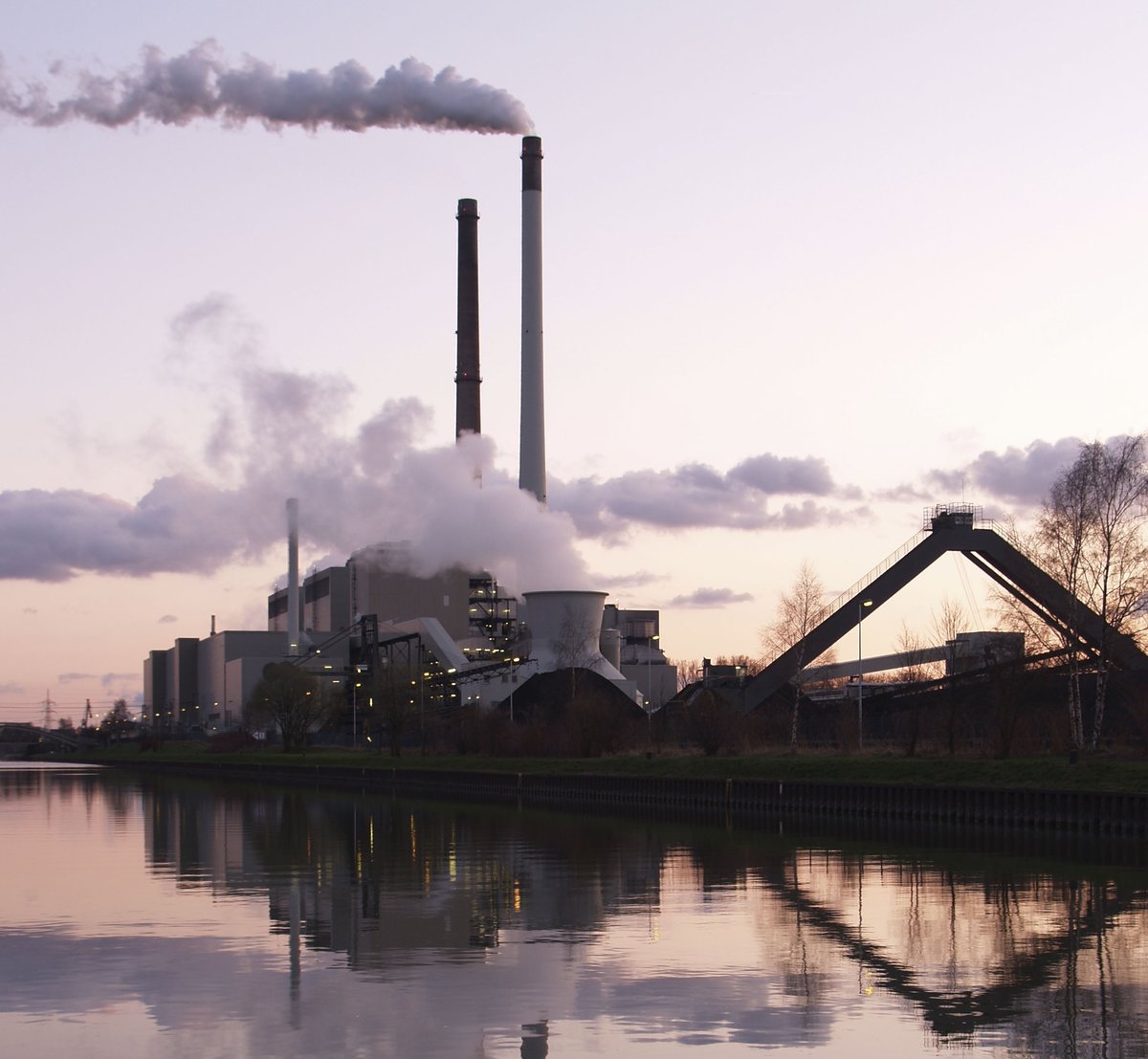
In a move that somehow manages to be both desperate and nostalgic, the Trump administration has announced a $700 million investment in coal using the Defense Production Act—a wartime authority typically reserved for, you know, actual wars. The Iran conflict has spiked energy costs, and rather than pivot to the solar panels and wind turbines that have spent the last decade becoming cheaper and more reliable, the government has decided that the solution to 2026’s energy crisis is the fuel that powered 1926.
Let’s be clear about what just happened. The president essentially declared war on the future so he could save the past. It’s like responding to a smartphone by investing heavily in rotary phones because “they worked before.” The Defense Production Act exists to mobilize industry during genuine national emergencies. Using it to prop up an industry that now costs more per megawatt-hour than renewables is not a wartime measure—it’s a time-travel measure.
The timing is almost poetic. Energy prices are up because of geopolitical chaos in the Middle East. The obvious solution—accelerate domestic renewable capacity, which has zero fuel costs and zero dependence on global supply chains—would actually address both the immediate crisis and the long-term problem. Instead, we’re throwing $700 million at coal, which still requires mining, transport, and burning. It’s like responding to a supply chain crisis by choosing the supply chain option with the most moving parts.
Here’s what makes this genuinely absurd: coal plants take years to build and billions to construct. Even if you started today, you would not generate a single kilowatt from new coal capacity by the time the Iran situation resolves. Solar installations go live in months. Wind farms in a year or two. Batteries are being deployed faster than coal plants can be planned. The government has essentially announced a $700 million investment in solving a current crisis by building infrastructure for a crisis that will not exist when the infrastructure is finished.
The coal industry has spent decades claiming it just needs a fair shake—that it can compete if only the government would stop being so mean about carbon emissions. Now it has gotten exactly what it asked for: direct government investment using wartime powers. And it will take a decade to show results, if results even materialize. Meanwhile, the energy crisis happening right now will be solved by whatever renewable capacity was already under construction, plus whatever new solar and wind projects private companies are rushing to deploy because they actually work.
There is also a delightful irony in using wartime authority to invest in an industry that is fundamentally dependent on global coal markets and supply lines. Coal is not a strategic commodity that the U.S. controls—it is a commodity traded globally, subject to the same geopolitical whims as oil. If the goal was energy independence, this is the wrong tool. If the goal was to help coal workers, $700 million spread across coal-dependent regions is generous but ultimately does not create sustainable jobs in an industry that is structurally declining. If the goal was to solve the current energy crisis, this will not work for at least five years.
What makes this work as satire is that it is actually happening. The absurdity is not exaggerated—it is the genuine policy response. A government facing an energy crisis caused by global conflict has chosen to invest in the energy source that: (a) takes the longest to deploy, (b) has the highest operating costs, (c) is most dependent on global supply chains, and (d) is losing market share to cheaper alternatives every single year. It is like responding to a car shortage by subsidizing horse breeding.
The real question is not whether coal will succeed—it will not. The real question is how much money gets burned before someone points out that the wartime emergency has been solved by the renewables that were already being built, and the coal plants are now just expensive infrastructure with nowhere to go. By 2028, when the first new coal plant might theoretically come online, energy prices will have normalized, renewable capacity will have doubled, and we will be standing in a room full of unfinished coal plants wondering why we used wartime powers to build something that was already obsolete when the concrete was poured.
So here we are: wartime powers deployed not to win a war, but to lose a technological race that was already decided. It is the kind of policy that makes perfect sense if you are pretending the last twenty years of energy economics did not happen. For everyone else, it is a $700 million reminder that nostalgia is expensive, and the past has excellent lobbyists.