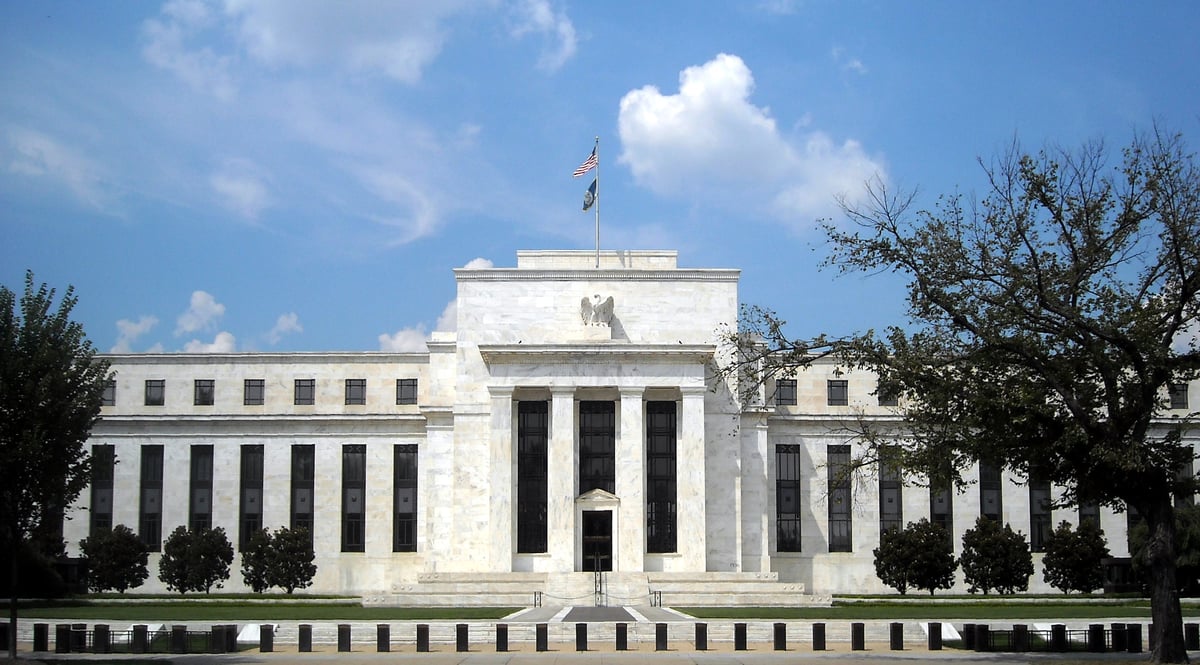
The president has found a new way to square a circle that mathematicians have been struggling with for centuries. He wants the Federal Reserve’s next chair to be ‘totally independent’ — which, in his usage, appears to mean independent from everything except his own preferences about interest rates.
This is not a new tension in American politics. Presidents have always wanted lower rates before elections. What makes this moment special is the sheer transparency of the contradiction. It is like demanding a referee who will call the game fairly, as long as they call it fairly in your team’s favor.
Here is what actually happened: The president publicly pressured Kevin Warsh’s predecessor to cut rates. Not suggested. Not hinted at. Pressured — the kind of thing that makes central bankers wake up at 3 a.m. wondering if they work for the Treasury or for themselves. Now, with Warsh potentially in line for the job, the president has declared that whoever gets the role must be independent. The implication hangs in the air like humidity in August: independent from everyone except him.
The Fed chair’s actual job is genuinely difficult. They are supposed to manage inflation and employment — two goals that often point in opposite directions. Lower rates help workers find jobs but can let prices spiral. Higher rates cool inflation but cost people their livelihoods. There is no magic setting that makes everyone happy. This is why the job requires someone who can ignore political pressure and make decisions based on economic data instead of electoral calendars.
But independence, as a concept, only works if it is real. A chair who is independent from Congress but takes marching orders from the White House is not independent. They are just working for a different boss — one with more immediate power and less patience for explanations about long-term monetary policy.
The president’s framing reveals something deeper about how modern politics treats expertise. Independence is now code for ‘agree with me and call it analysis.’ We see this everywhere: a judge is ‘activist’ if they rule against you and ‘principled’ if they rule for you. A scientist is ‘following the data’ when their results match what you wanted to hear and ‘politically motivated’ when they do not. An economist is ‘independent-minded’ when they support your policy and ‘captured by special interests’ when they do not.
What the president actually wants is a chair who will make the same calls he would make if he understood monetary policy. Which is to say: someone who will cut rates when he wants them cut, keep them steady when he wants them steady, and explain it all in terms that make him look good. That is not independence. That is ventriloquism with a Federal Reserve logo.
The real irony is that this approach probably does not even work. Markets are not stupid. If investors believe the Fed chair is taking orders from the White House, they will price that uncertainty into everything from bond yields to currency values. Other central banks will notice. Inflation expectations can shift. The independence of the Fed is not some quaint tradition — it is part of the reason the dollar is the world’s reserve currency and why American borrowing costs stay reasonable even when the government runs enormous deficits.
Break that, and you do not get lower rates. You get higher ones, because investors demand compensation for the risk that monetary policy has become a political tool. You get the worst of both worlds: a Fed chair who looks like they are following orders and markets that punish the country for it anyway.
So the president’s demand for an independent chair is not wrong in principle. It is just backwards in practice. What he is actually asking for is someone who will abandon independence in order to appear independent. Someone who will make political decisions and call them technical ones. Someone who will cut rates before an election and explain it with reference to employment data that, coincidentally, supports whatever the White House wanted anyway.
If that is the bar for the job, then the position is not really independent anymore. It is just the Treasury Department with a different letterhead and a longer timeline before the consequences show up in your grocery bill.
The president is right that the Fed chair should be independent. He is just wrong about what that word means — or perhaps too clever by half about what he is actually asking for. Either way, the contradiction is not subtle. It is the entire point.