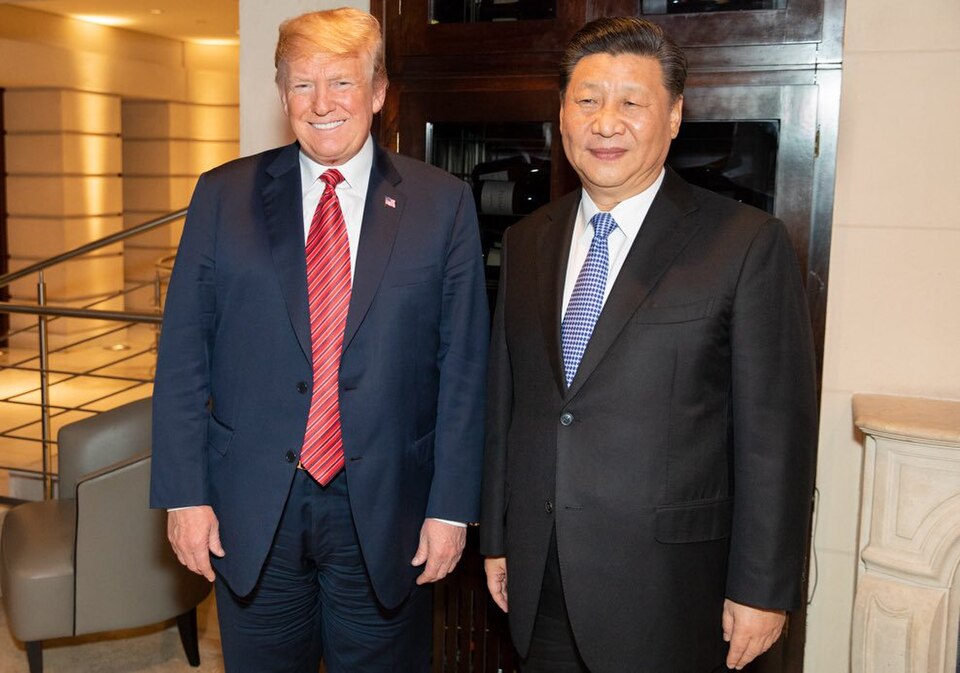
In what can only be described as the diplomatic equivalent of two billionaires comparing the size of their yachts, Donald Trump has arrived in China for what his team is calling the most important presidential visit in nearly a decade. The actual purpose of the summit remains somewhat unclear, but sources close to the event suggest it involves a lot of handshaking, some carefully staged photographs, and at least one moment where someone will definitely mispronounce a Chinese official’s name.
The real headline here is not the geopolitical implications or the state of US-China relations — it is the 17 American CEOs tagging along like the world’s most expensive entourage. Elon Musk and Tim Cook are among the executives making the trip, which means we can expect at least three separate moments where someone tweets about innovation, someone else mentions supply chains, and a third person accidentally reveals they have no idea what China’s actual economic policy is.
This is not a diplomatic mission. This is a corporate field trip where the stakes happen to involve the global economy and potentially millions of jobs.
The tariff situation heading into this summit is delicate in the way that a house of cards built on a foundation of disagreement tends to be. Both sides have been maintaining what can charitably be called a truce — which is to say they have not actively made things worse in the last few months, which in modern US-China relations counts as a major achievement. Trump’s team is presumably hoping to extend that truce, or at least get through the photo op without anyone accidentally starting a trade war via tweet.
What makes this whole affair genuinely absurd is the theater of it all. When you send your richest tech executives to stand behind you while negotiating with another superpower, you are essentially saying: “Look how many billionaires we have.” It is the international relations equivalent of a peacocking contest, except the peacocks are wearing $5,000 suits and have more stock options than most countries have GDP.
The executives are not there to negotiate anything specific — they are there to be visible proof that American business believes this matters. It is a confidence play disguised as diplomacy. If Elon Musk is in the room, the thinking goes, then surely we are serious about this. Never mind that Musk’s presence could just as easily be interpreted as a warning: “We have people who will build rockets and electric cars regardless of what you do, so maybe do not test us.”
Meanwhile, the tariff question hangs over everything like a sword of Damocles made of steel and semiconductors. The fragile truce is less a comprehensive agreement and more a mutual understanding that both sides would prefer not to tank their respective markets before breakfast. Trump needs the economy to look good. Xi needs growth numbers that do not make Beijing nervous. Neither wants to explain to their respective populations why the price of everything just went up because two guys could not agree on trade rules.
The summit will produce some kind of statement. There will be language about “mutual respect” and “exploring new avenues for cooperation” and possibly something about future dialogue. Within six months, one side will claim victory while the other side does the same. Nothing will actually change, but both leaders will get the photographs they need, the CEOs will get their networking done, and the rest of us will go back to wondering whether tariffs are going up or down.
The real question is not whether this summit will improve US-China relations — it will not, because relations between superpowers do not improve, they just occasionally get slightly less worse. The real question is whether anyone is going to ask Tim Cook what he is actually doing there, or if we are all just going to pretend that bringing the CEO of Apple to a superpower summit somehow counts as a negotiating strategy.
Spoiler alert: it does not. But it sure looks impressive in the photographs.