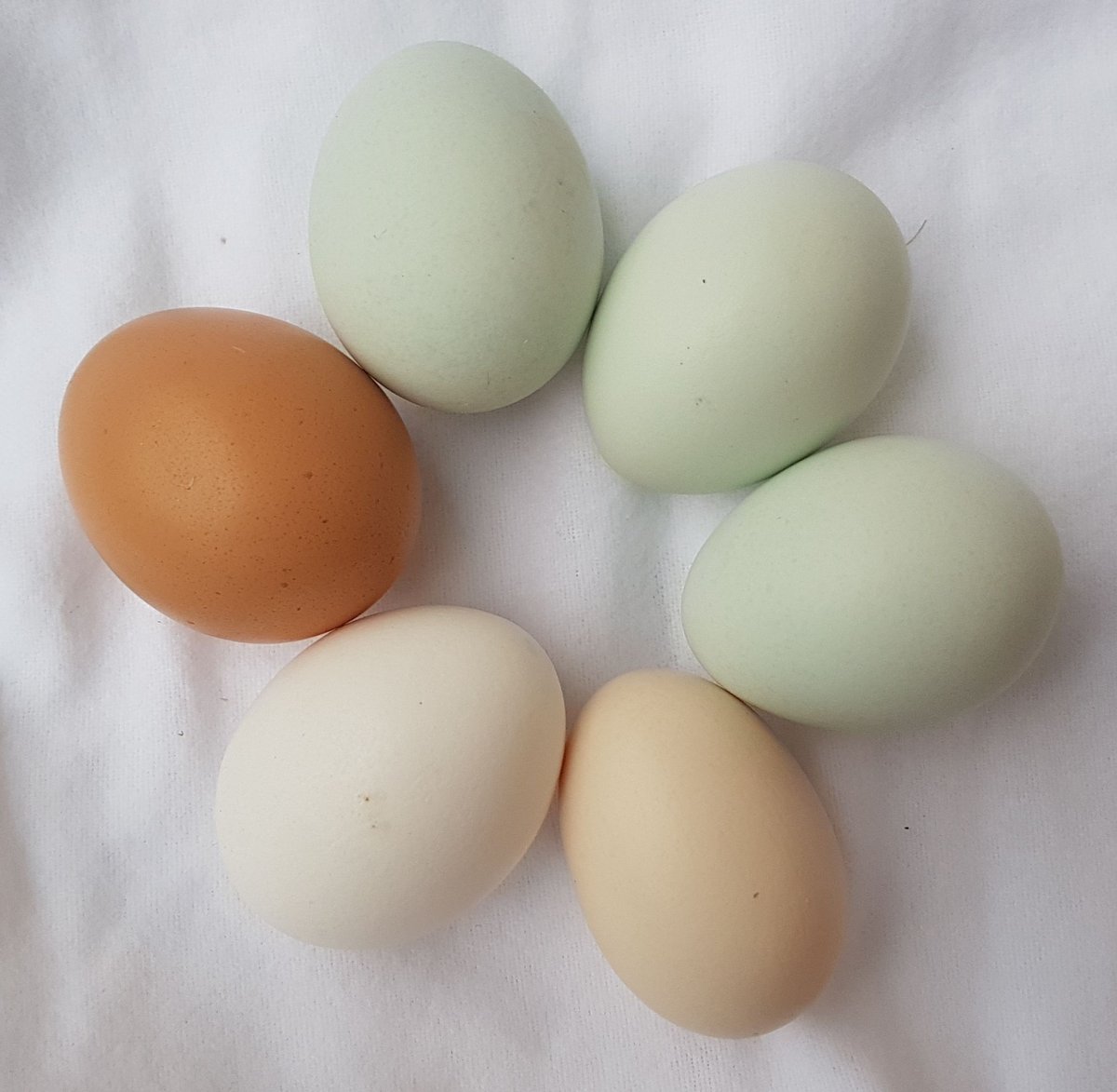
In 2022, you could buy six eggs for a pound. Today, a single egg costs roughly what a decent coffee did five years ago, and we have collectively decided this is fine. We are not fine. We are living inside an economic fever dream where poultry has become a luxury good and nobody is talking about it.
Let’s establish the absurdity first, because it deserves to be stated plainly. A box of six supermarket eggs in the UK cost £1 in 2022. In 2026, that same box — the exact same product, same chickens, same cardboard — now costs somewhere between £2.50 and £3.50 depending on which supermarket you visit and whether the eggs have achieved consciousness yet. That is a 150 to 250 percent increase in four years. Your salary did not go up by 150 percent. Neither did mine. Yet here we are, negotiating with eggs like they are a limited-edition sneaker drop.
This is not a story about eggs. Well, it is. But it is also a story about what happens when the invisible hand of the market develops a severe tremor and nobody wants to admit it in public.
The reason eggs cost what they cost now is straightforward and deeply stupid. In late 2022, bird flu swept through poultry farms across the UK and Europe with the enthusiasm of a pandemic that had finally found its true calling. Millions of chickens were culled. The supply of eggs collapsed. Demand stayed exactly where it was — people still wanted breakfast — so prices did what prices do when supply and demand have a custody battle: they went up. Way up.
Then, because the universe enjoys irony, the cost of animal feed also went up. The cost of energy went up. The cost of labor went up. The cost of the truck that delivers eggs went up. Every single input in the egg production chain decided to become expensive at the same time, like a coordinated price-fixing scheme orchestrated by a god with a cruel sense of humor.
Now, here is where it gets interesting, and by interesting I mean where we get to talk about whether anyone is actually profiteering off the fact that eggs have become a financial asset class.
The supermarkets say no. The egg producers say no. Everyone involved in the egg supply chain says they are simply passing through higher costs, that their margins have been squeezed, that they are the real victims here. This is technically true in the way that saying “I was only following orders” is technically a sentence. Yes, costs have risen. But costs rise all the time. The question is whether anyone has used the chaos as cover to quietly push prices higher than the underlying economics actually require.
Economists call this “greedflation,” which is a term that should tell you everything you need to know about the current state of economic discourse. We have stopped bothering with euphemisms. We have just started calling it what it looks like: companies seeing an opportunity and taking it.
Here is what we know: the cost of producing eggs has gone up, but probably not by 150 percent. The cost of feed, fuel, and labor has gone up significantly, but not in perfect proportion to the retail price increase. There is a gap there. That gap is where profit lives, and profit has been doing quite well for itself.
But the real story is not whether supermarkets are being slightly greedy about eggs. The real story is that we have accepted a world where the price of basic food items can triple in four years without this being treated as a systemic problem. We have normalized it. We have made jokes about it. We have adjusted our budgets and moved on, the way you do when you are slowly boiling to death and you stop noticing the temperature.
Eggs are the canary in the coal mine, except the canary has already died and we are arguing about whether it was the coal’s fault or whether the canary was just being expensive.
The egg price crisis is a microcosm of everything wrong with how we talk about inflation. It is real. It is measurable. It is hurting people who buy eggs — which is everyone, because eggs are cheap protein and people on tight budgets rely on them. But it is also boring compared to stock market movements or interest rate announcements, so it gets treated as a curiosity rather than a warning sign.
Meanwhile, the actual economic system has quietly decided that essential goods can become unessential simply by pricing them out of reach. Eggs have not changed. Chickens have not become rare. The fundamental physics of egg production remains the same. But the price has tripled, and we have all just accepted that this is how things work now.
So yes, each egg now comes with its own gold-plated shell, metaphorically speaking. And yes, you probably do need a loan application if you want to feed your family breakfast like you used to. And yes, this is absurd. And yes, we have all just decided to live with it.
Welcome to 2026. Try not to think too hard about what else is quietly becoming unaffordable while we are all looking at our phones.