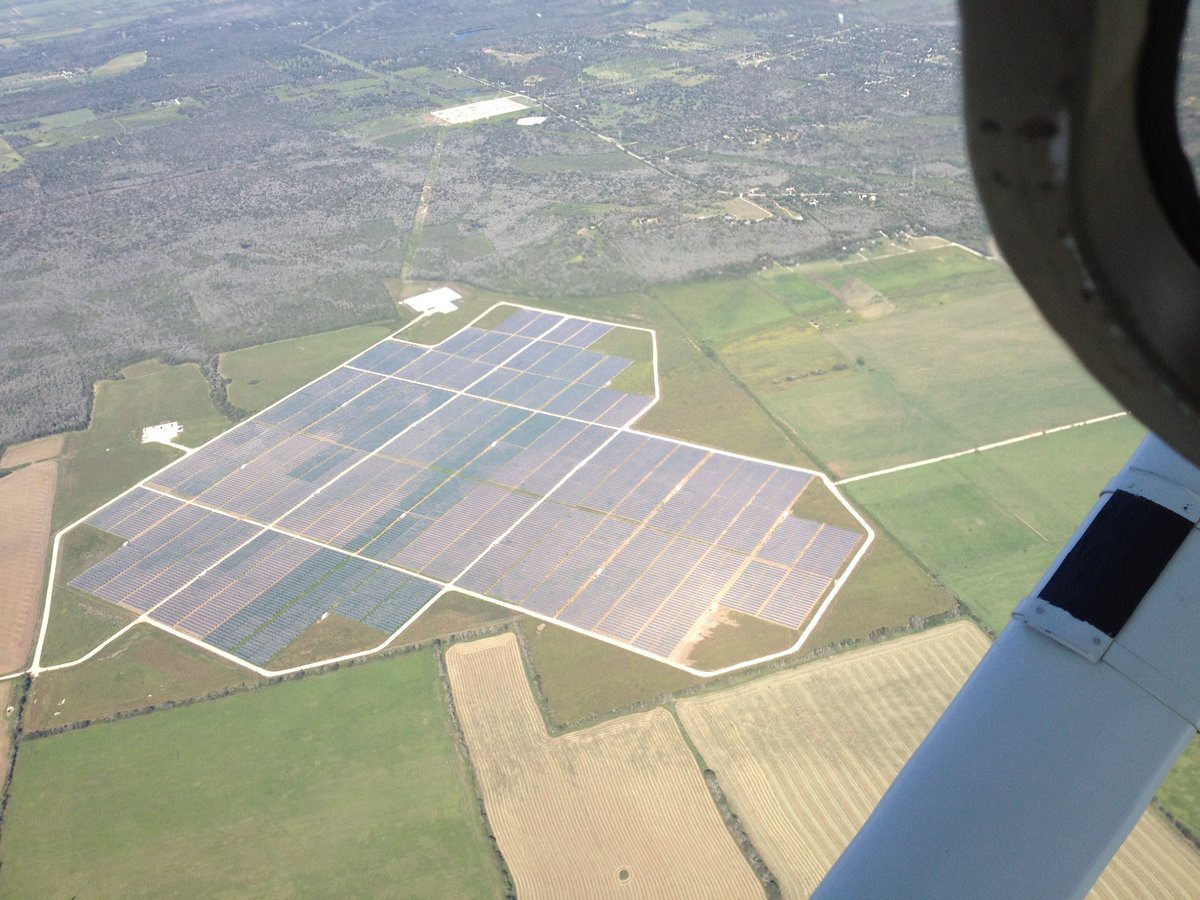
Texas has officially become America’s largest solar power producer, a development that would have been unthinkable a decade ago—or at least, that is what the state’s oil executives want you to believe happened overnight rather than admit they saw it coming for years and simply waited for the tax incentives to get weird enough.
The irony is so thick you could drill for it. The Lone Star State, home to oil fortunes that built dynasties, funded political careers, and convinced generations of Texans that hydrocarbons were basically a religious calling, has quietly pivoted to harvesting electrons from the sky. Oil tycoons who spent the better part of a century insisting that renewable energy was a coastal elite fantasy have discovered that solar panels are, it turns out, quite profitable. Who knew? (Everyone. Everyone knew.)
Local politicians are caught in the delicious bind of loving the jobs and tax revenue while still maintaining the ceremonial reverence for oil that Texas tradition demands. The result is a lot of awkward throat-clearing: yes, we are the solar capital now, but also, we still really like oil, and also, these subsidies are extremely good, and also, please do not ask us to choose.
The real punchline is that this is not a conversion story—it is a diversification story wearing a conversion story’s hat. Texas did not suddenly develop a conscience about carbon emissions. Texas noticed that solar farms generate returns, require minimal water in a state increasingly anxious about drought, and come with federal tax credits that make the math work better than it did five years ago. The oil barons did not discover sunlight. They discovered that sunlight was tax-deductible.