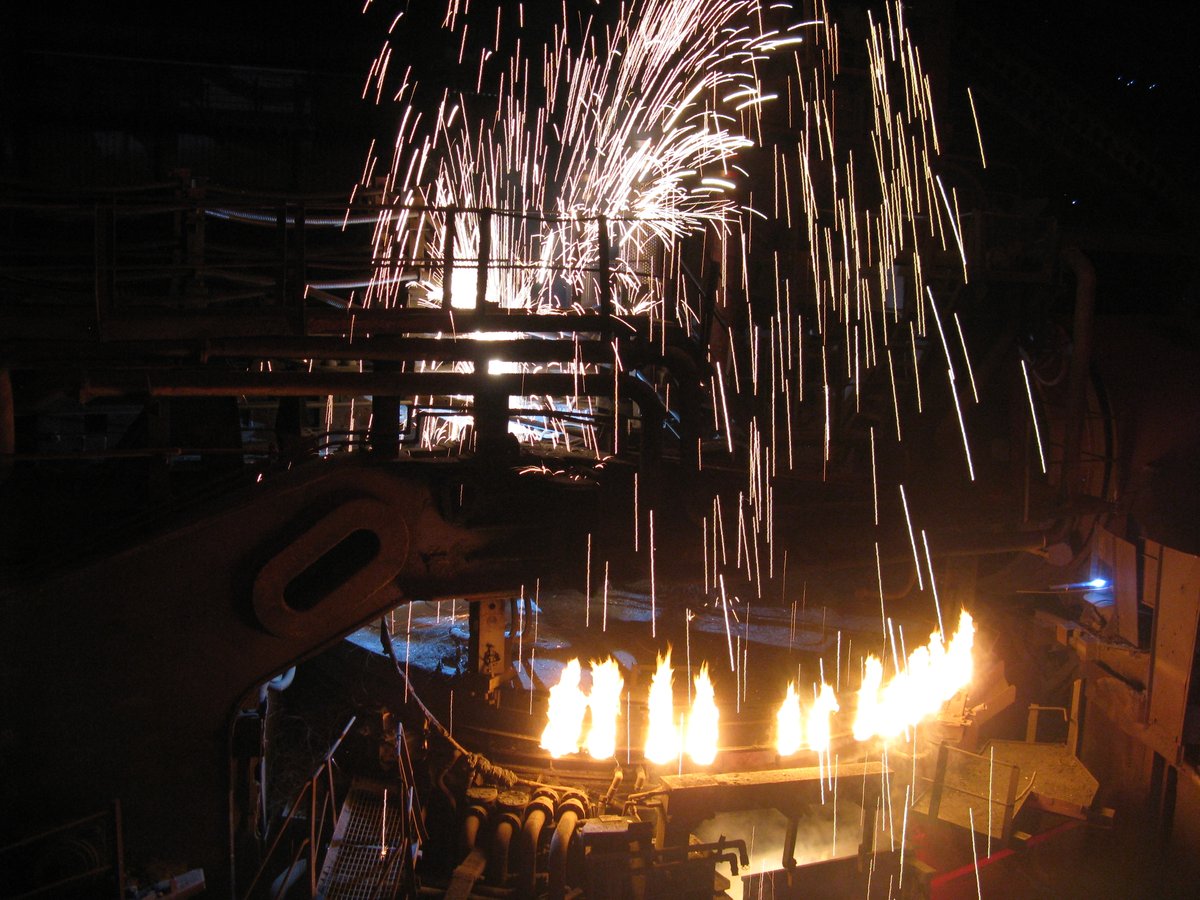
Here we are in 2026, a year when we’ve sent robots to Mars, trained AI models on the entire internet, and somehow still cannot reliably connect a £1.25 billion furnace to electricity without it throwing a tantrum.
Tata Steel announced this week that its flagship electric arc furnace in the UK—a piece of industrial infrastructure so expensive it could fund a small nation’s healthcare system—might miss its deadline. The culprit? An electrical connectivity issue. Not a geopolitical crisis. Not a supply chain collapse. Not even inflation eating away at project budgets. Just… wires. Wires that apparently have more in common with the British economy than anyone would like: unpredictable, prone to failure, and requiring constant management from people who seem perpetually surprised that they’re still not working.
The irony is almost too perfect. We live in an age where your smartphone contains more computing power than existed in 1980, yet a facility designed to melt steel—one of humanity’s oldest industrial processes—cannot seem to get its electrical system to cooperate. It’s as if we’ve built a spaceship but forgotten how to plug it in.
For anyone actually waiting on this furnace to start production, this means delays to UK steel output at a moment when domestic manufacturing capacity is already stretched. For the rest of us, it’s simply a reminder that no amount of capital investment can overcome the fundamental truth: sometimes the simplest things are the hardest to get right.