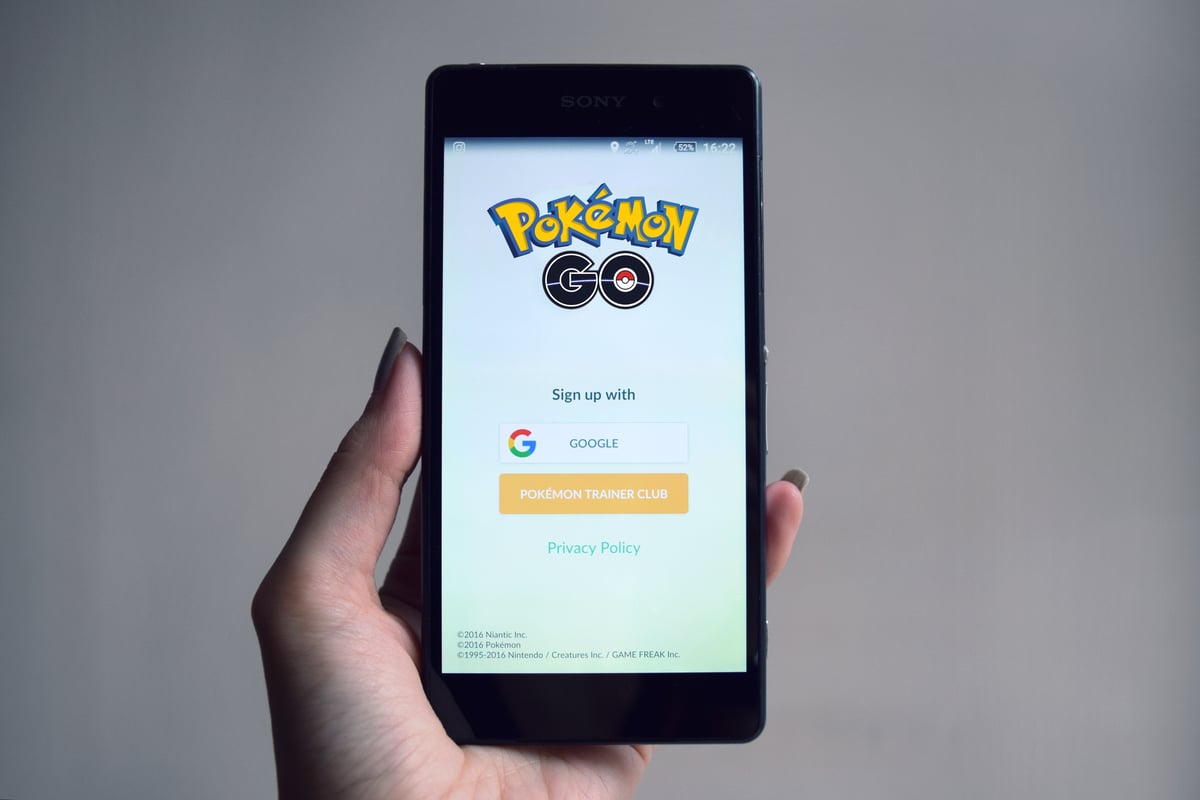
A decade into Pokémon Go’s existence, millions of players remain committed to the core mission: walk around, catch imaginary creatures, pretend the real world is a game. Meanwhile, in the actual world, housing affordability has become a joke only renters understand, student loan debt has metastasized into a permanent life tax, and wage growth has not kept pace with inflation since 2021. But sure, let’s talk about bringing people together through augmented reality.
The game’s staying power is genuinely remarkable. Ten years after launch, Scopely reports millions of active players still swiping at Pokéballs instead of, say, reading their investment statements or understanding why their rent increased 40 percent. Michael Steranka, the company’s vice president, insists it has always been about community. And he is not wrong—Pokémon Go does bring people together. It brings them together while they ignore the fact that the median home price in most US markets now requires a six-figure household income.
This is not a complaint about the game itself. The absurdity is the contrast. We live in an era where financial literacy is optional, retirement savings are a luxury good, and most people cannot explain what their brokerage is actually doing with their money. Yet millions have spent a decade mastering the mechanics of a fictional economy with zero real-world consequence. They know Pokémon type matchups better than they know their own asset allocation.
The real punchline: Scopely has made billions while players made nothing. That, at least, is not imaginary.