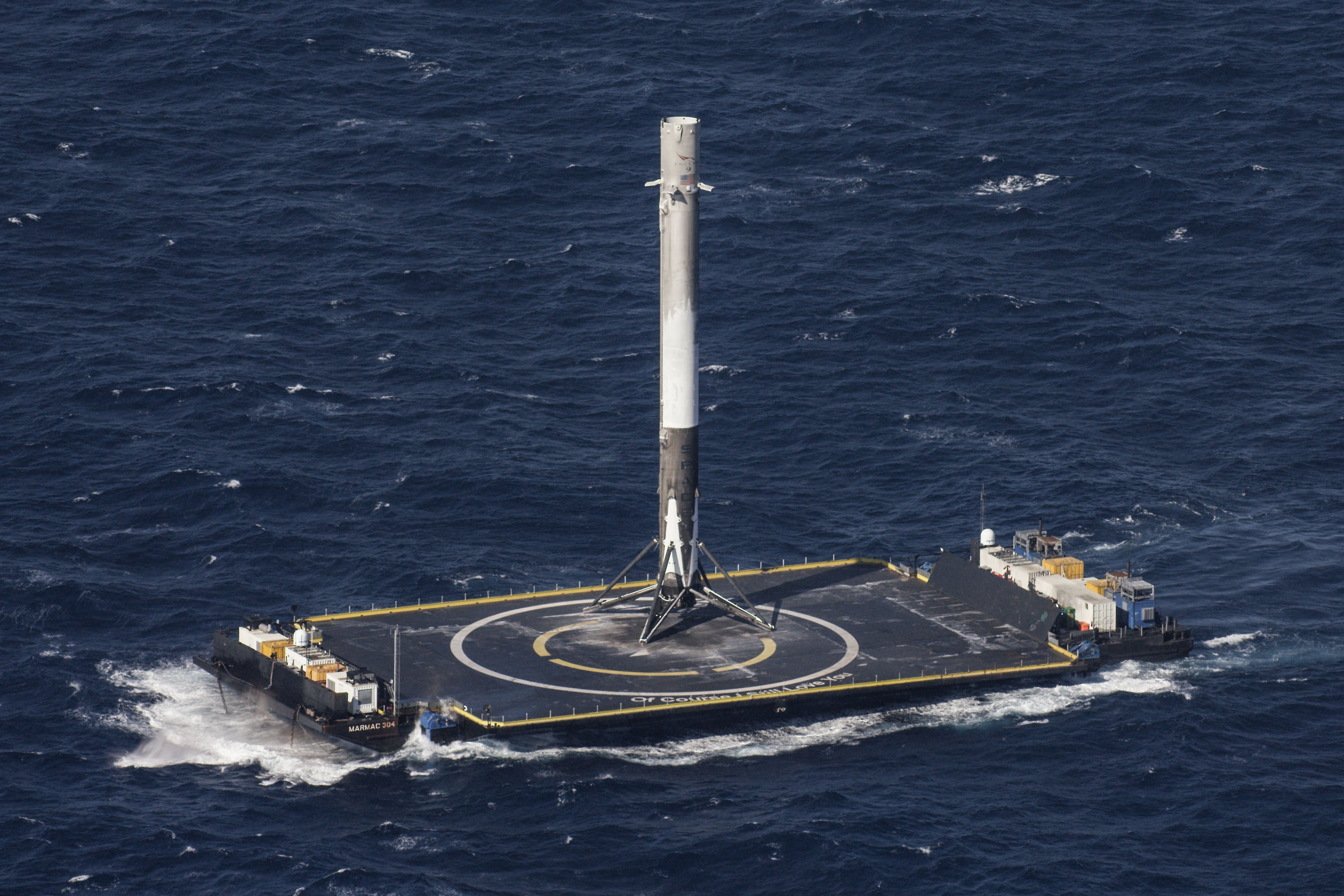
SpaceX just filed to go public, and somewhere a financial advisor is already writing a client email that begins with “As we discussed, space is the final frontier—and so is your portfolio.” The ticker will be SPCX, which is either a stock symbol or the sound your 401(k) makes when you tell it where your money is going.
Let us be clear about what is actually happening here, stripped of the hype: Elon Musk owns a company that launches rockets and beams internet from orbit. That company is worth a lot of money. If that company goes public and its valuation stays high, Musk’s net worth—the paper value of what he owns—will increase. Some analyses suggest this could push his total net worth past one trillion dollars. This is mathematically possible. It is also not the same as having one trillion dollars.
This distinction matters, and not just because it is funny to watch the world’s richest people play a game where the only rule is “add more zeros to the number.” It matters because the SpaceX IPO will arrive with an entire ecosystem of financial media, wealth advisors, and investment platforms ready to convince normal people that they too should own a piece of this particular dream. And that is where the actual absurdity lives.
SpaceX is a real company doing genuinely difficult engineering. Launching payloads to orbit is hard. Running a satellite internet network is complex. These are not nothing. But the market will not price SpaceX based on the difficulty of its engineering—it will price it based on growth expectations, competitive moat, and mostly on whether investors believe the next person will pay more for it than they did. That last part is not investment; it is musical chairs with rockets.
The trillionaire math works like this: SpaceX’s current private valuation sits somewhere north of $200 billion. If it goes public and the market assigns it a higher multiple—say, valuing it at $500 billion or more—then Musk’s ownership stake (roughly 40 to 50 percent) becomes worth hundreds of billions more. Add that to his Tesla holdings, his other assets, and his net worth ticks past the trillion mark. The financial press will call this a “milestone.” It is a milestone in the same way that your net worth increases when your house appreciates—technically true, practically irrelevant unless you sell.
But here is where the real con begins, and it is not a con perpetrated by Musk so much as by the entire financial ecosystem around him. Once SPCX trades, retail investors will be able to buy shares. Some will do so because they believe in the mission. Others will do so because they have read fifteen articles about how Musk is going to be a trillionaire and they want to ride that wave. A few will do so because their brokerage app has a notification feature that makes it feel like a game. None of these are good reasons to buy a stock.
SpaceX is a capital-intensive business with long development cycles and enormous execution risk. It is also a company whose CEO is, let us say, active on social media and prone to making announcements that move markets in ways that have nothing to do with the underlying business. If you buy SPCX, you are not just buying a stake in a rocket company—you are buying a bet that Musk’s particular brand of chaos is worth a premium. Sometimes that works out. Sometimes it does not. The difference between those outcomes is usually described in financial media as either “visionary” or “reckless,” depending on which way the stock moved.
The real financial wisdom here is not “SpaceX will make you rich” or even “Elon Musk will become a trillionaire.” The real wisdom is older and duller: most people should not buy individual stocks based on headlines, no matter how many zeros are involved. If you want exposure to the space economy, there are diversified funds for that. If you want to own SpaceX specifically because you have done the analysis and understand the risks, that is a different conversation. But if you are buying because you read that Musk could hit a trillion dollars and you want to catch some of that gravity well, you are not investing—you are hoping.
And hope is not a financial strategy, even when it comes with a cool rocket.
So yes, SpaceX will probably go public. Yes, the valuation will probably be large. Yes, Musk’s net worth will probably increase. And yes, some people will make money on the trade. But the real story is not about one person’s paper wealth reaching an absurd number. The real story is about how we have built a financial system where that number matters at all, where we measure success by the size of the number next to a name rather than by what that person actually produced or how many people benefited. SpaceX has produced something real—reliable rockets, functional satellites, genuine technological progress. That is worth something. But it is not worth a trillion dollars in the way that a trillion dollars actually means anything to anyone who is not a billionaire playing a numbers game.
The IPO will be fine. The stock will probably do well. And Elon Musk will probably become a trillionaire on paper, at which point financial media will write a thousand articles about what that means. It will mean that the number is very large. Everything else is just commentary.