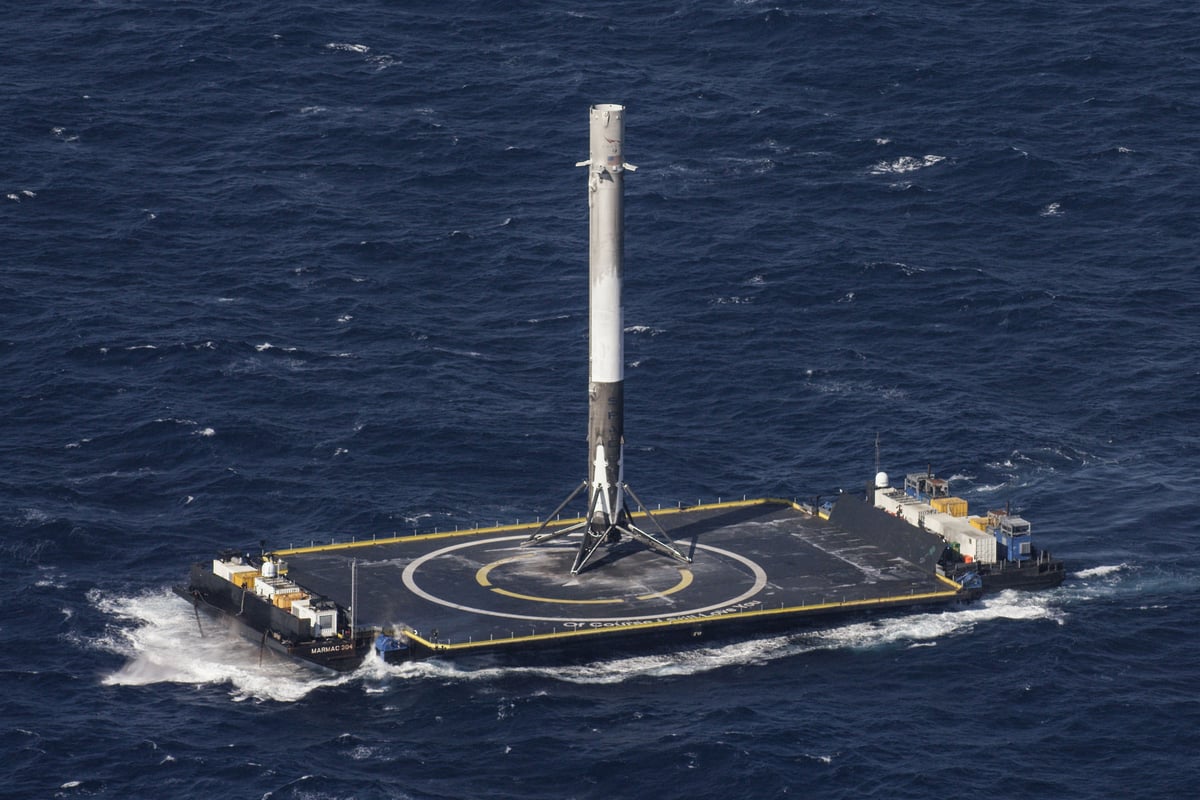
SpaceX wants your money. Specifically, it wants you to buy shares in a company that has spent the last decade perfecting the art of launching rockets that sometimes explode on the launchpad, sometimes explode in the air, and occasionally explode in ways that are technically “successful” but still look like a TikTok video made by someone who does not understand physics.
The pitch is seductive: Elon Musk’s space company is revolutionizing transportation, launching satellites, and maybe — just maybe — getting humans to Mars before we all die of climate change or something equally cheerful. The company has real revenue, real customers (NASA, the US military, Starlink subscribers who paid money to have a satellite dish the size of a pizza box on their roof), and a CEO who tweets about his ambitions with the restraint of a golden retriever at a dog park.
But here is the thing investors should actually think about: SpaceX is asking you to believe that a company which regularly experiences “rapid unscheduled disassembly” of its hardware — that is the actual term engineers use instead of “explosion” — is worth tens of billions of dollars. The stock prospectus will probably not open with “our rockets sometimes fail catastrophically,” but that is precisely why you should read the fine print.
The absurdity is not that SpaceX is going public. It is that the market will almost certainly reward it. Because in 2026, apparently, the fact that a company has a vision and occasionally makes it work is enough to justify a valuation that assumes everything will work perfectly from now on. History suggests otherwise. But hey, at least the space debris will be publicly traded.