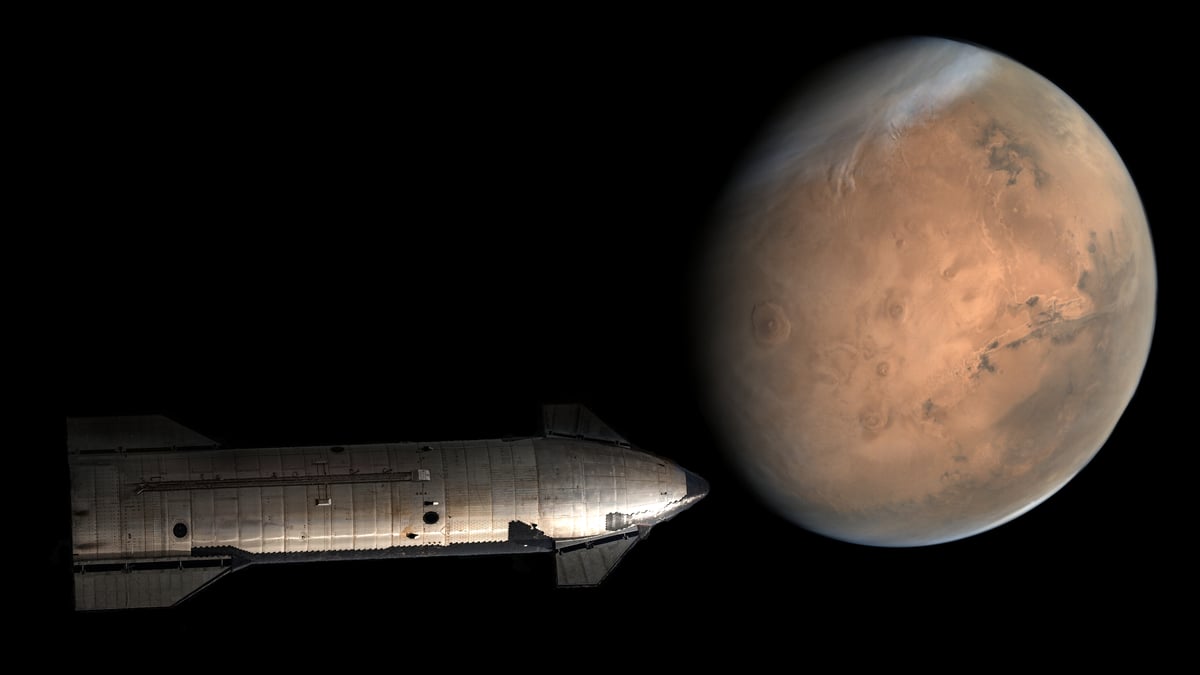
Elon Musk is about to become the world’s first trillionaire, which is either a stunning achievement in human ambition or the clearest sign yet that we have collectively lost our minds about what money actually means.
SpaceX’s latest valuation—$1.8 trillion—has crossed into the territory where we are no longer pricing a company based on revenue or profit. We are pricing it based on vibes, Mars enthusiasm, and the general feeling that if Elon says it will happen, the stock market will believe it hard enough to make it true. The company generated roughly $8 billion in revenue last year. At $1.8 trillion, you are paying 225 times that. For context, Apple trades at about 30 times revenue. But Apple does not have Starship, so obviously the math checks out.
The share sale pushing Musk over the trillion-dollar line is particularly funny because it means his wealth is now officially tied to his ability to convince investors that Mars colonization is a financial asset class. It is not that SpaceX launches rockets or operates Starlink. Those are fine. But the real money is in the shared delusion that Martian beachfront property will eventually trade on the open market.
This is not financial advice. This is an observation that we have built an economy where the richest person on Earth is getting richer based on the collective agreement that his dreams count as balance sheet items. If that does not make you slightly uncomfortable, you are not paying attention.