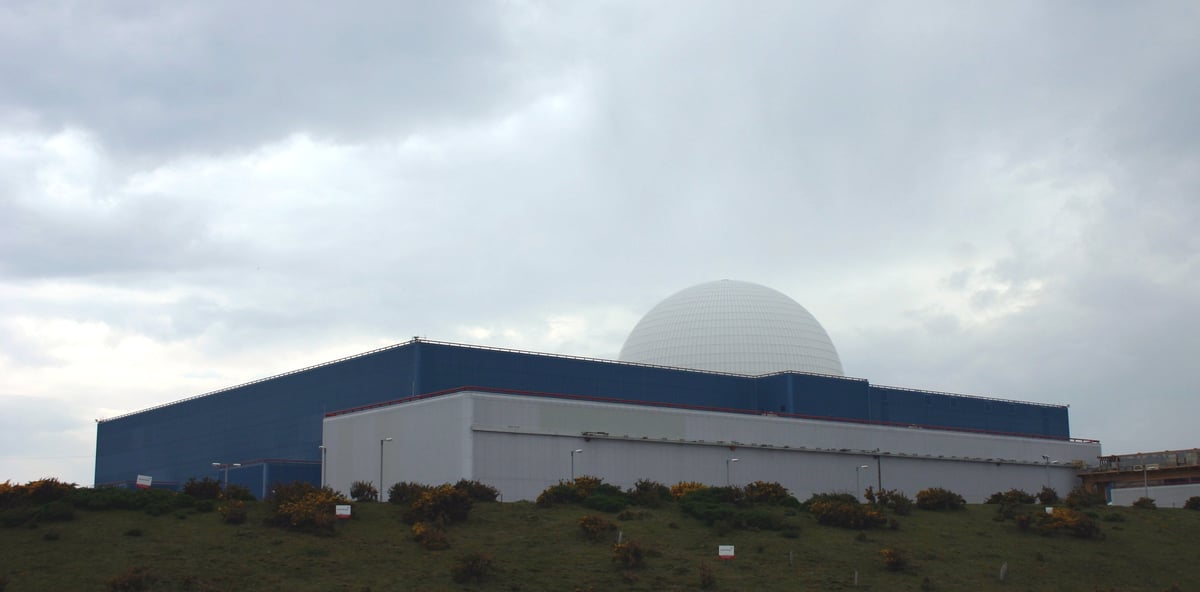
Britain’s energy strategy just got a twenty-year extension, and not in the way anyone actually wanted. Sizewell B, a nuclear power plant originally scheduled to shut down in 2035, will now keep humming along until 2055. Congratulations to everyone involved on choosing the financial equivalent of duct-taping your car’s engine together instead of buying a new one.
The logic here is pure accounting theatre. The plant exists. It generates power. The sunk costs are already sunk. So rather than invest in the infrastructure Britain actually needs—modern reactors, grid upgrades, renewable capacity that doesn’t require a pension plan to see completion—we get to keep operating a facility designed during the Cold War and hope nothing goes catastrophically wrong for another three decades.
This is what happens when financial logic meets infrastructure planning. The money has already been spent. The debt has already been issued. Writing off the asset would mean admitting the investment didn’t work out as planned, which is precisely the kind of honesty that doesn’t make it into quarterly reports. Far easier to extend the life, spread the remaining costs across more years, and let some future government deal with the decommissioning nightmare.
Meanwhile, the actual problem—Britain needs reliable, low-carbon electricity and needs it soon—remains unsolved. But solving it would require building new things, spending new money, and accepting short-term balance sheet pain. So instead we get Sizewell B, limping toward 2055 like a financial zombie: technically still operating, clearly past its expiration date, and a perfect mirror of why the economy feels increasingly like it’s running on fumes and nostalgia.