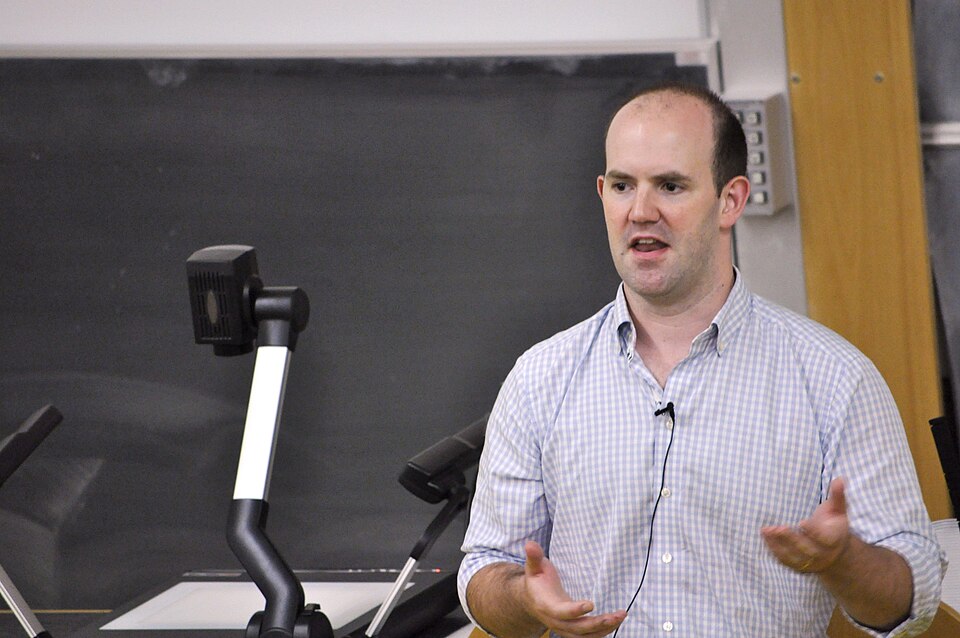
Eben Upton, the man who made computing affordable enough that your nephew can build a weather station for £35, has issued a warning that sounds like it came from a fortune cookie written by someone who just discovered irony. AI will not destroy tech jobs, he says. It will simply make them so pointless that nobody will want them anymore.
The distinction matters, apparently. Destroying jobs sounds bad. Making jobs so hollow that talented people flee the industry to become banana farmers—that is just market forces at work.
Upton’s real concern, buried under the diplomatic language, is that AI hype has created a perception problem. Young people are looking at the field and thinking: why spend four years learning to code when a chatbot can do it in four seconds? Why grind through leetcode interviews when GitHub Copilot will write your function before you finish the question? The jobs will technically exist. They will just be staffed by people who could not get hired anywhere else.
This is where the actual problem lives, and it is worth taking seriously even if the framing is a bit optimistic. Upton is not wrong that the tech industry has a recruitment crisis brewing. Companies are already struggling to hire mid-level engineers because the pipeline is drying up. Fewer people are learning to code because the value proposition has become murky. Why invest in a skill that depreciates faster than a used MacBook when you can learn prompt engineering in a weekend?
The economic argument Upton makes is sound, if understated. A healthy tech industry needs people. Not just the ones smart enough to become AI researchers or senior architects—everyone. Junior developers, support engineers, technical writers, the whole ecosystem. If AI makes those roles feel pointless, the industry cannibalizes itself. You cannot build a $2 trillion industry on a foundation of burned-out specialists and a vanished middle class.
But here is where the satire writes itself: Upton is essentially asking the tech industry to pump the brakes on its own hype cycle. He is asking companies to not replace junior developers with AI. He is asking VCs to not fund startups whose entire pitch is “we automate away expensive engineers.” He is asking an industry built on disruption to please, for once, not disrupt this particular thing.
The response has been predictable. Some people heard “AI will not kill jobs” and stopped listening. Others heard “we need to manage this carefully” and immediately started planning how to automate more aggressively. And the people actually trying to learn programming? They are still staring at their keyboards wondering if it is worth the effort.
The real takeaway is not that AI will or will not kill programming jobs. It is that the tech industry is terrible at having honest conversations about disruption when the disruption might affect them. We celebrate the entrepreneur who puts taxi drivers out of work. We cheer the algorithm that replaces warehouse workers. But suggest that AI might make coding less valuable, and suddenly everyone wants to talk about economic stability and workforce development.
Upton is right that this matters. A tech industry that only values people at the top is not sustainable. But the solution is not going to come from the CEO of a hardware company making polite warnings. It will come from the market eventually figuring out what it actually needs—which might be fewer programmers, or different programmers, or programmers who are also something else entirely. The banana code revolution, as it were, will arrive whether anyone is ready or not.