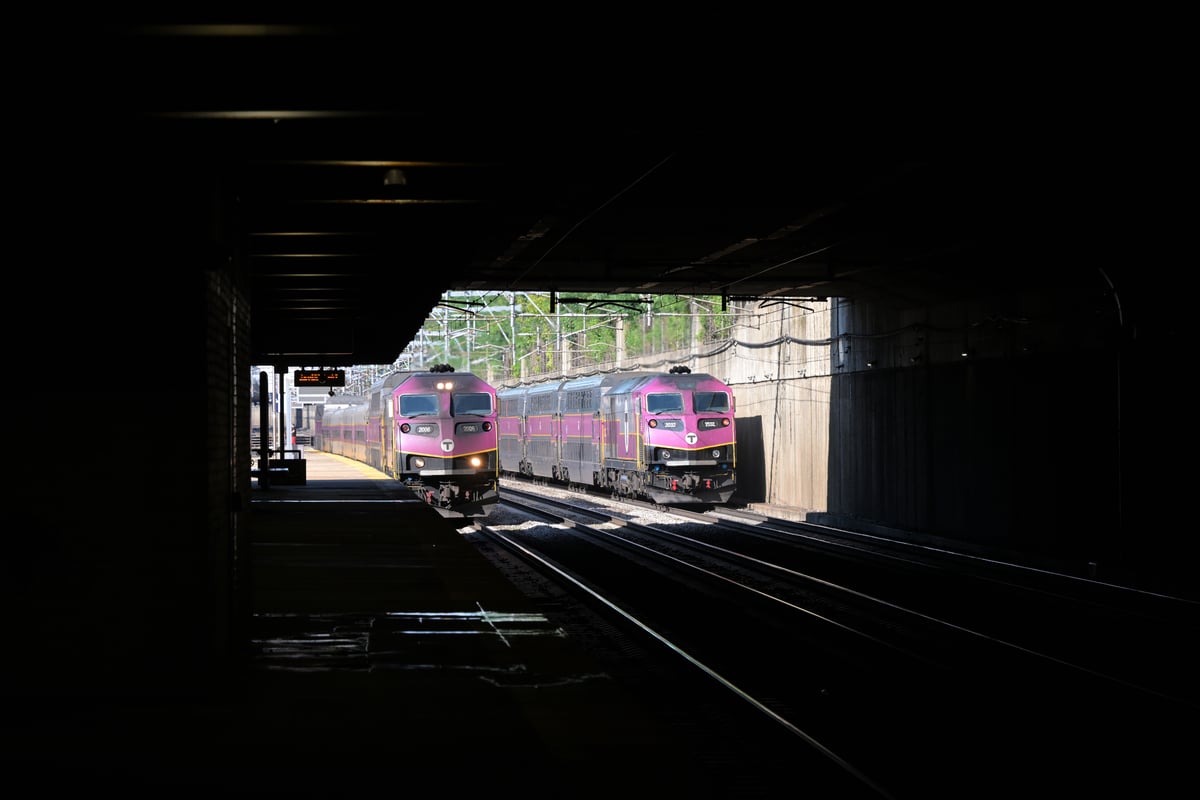
A 90-second power disruption recently sent commuter rail into chaos, and yes, we are absolutely certain this was orchestrated by a shadowy cabal of fintech bros and utility executives who have monetized your frustration.
Here is how the scheme works: the power cuts out, trains stop dead, commuters miss meetings, panic-sell their holdings, and high-frequency trading algorithms — positioned perfectly upstream — capture the microsecond volatility. Meanwhile, rival ride-sharing apps surge-price their way to record profits. The rail company issues a calm press release blaming “infrastructure resilience challenges,” which is corporate-speak for “we did not think anyone would notice.”
The genius part? Nobody can prove it because the chaos looks exactly like what incompetence would produce. A 90-second outage should not cascade into hours of delays across an entire network — unless someone really wanted it to. Or unless the system was built by people who thought redundancy was a luxury rather than, you know, electricity.
The real tell: within minutes, financial media was already spinning narratives about “supply chain disruption implications” while commuters were still standing in tunnels. Someone was already pricing this in.
So next time your train stops, remember: you are not experiencing a system failure. You are experiencing a feature. A very profitable feature. The outage lasted 90 seconds. The profits lasted considerably longer.