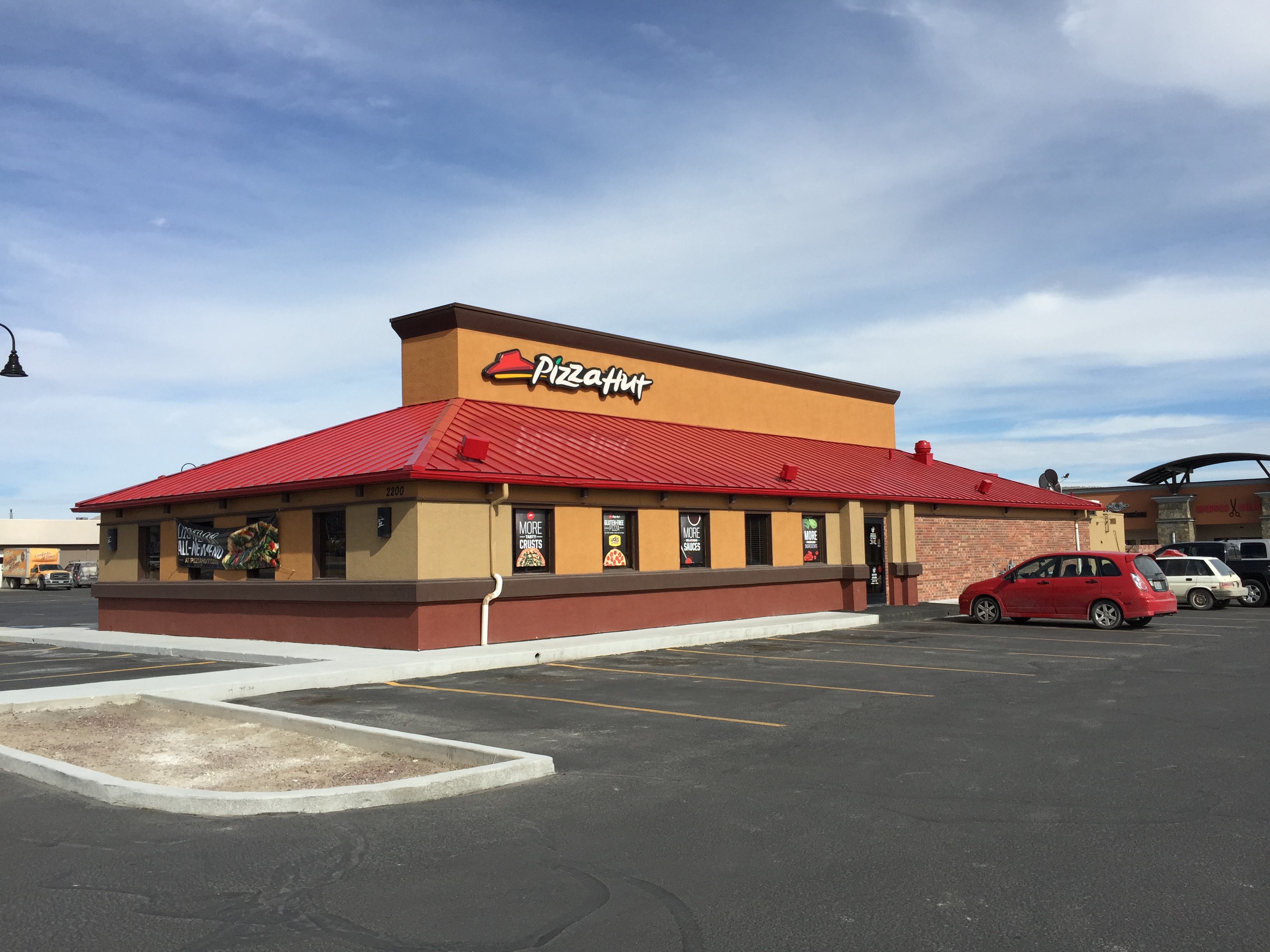
Pizza Hut just sold for $2.7 billion. Let that sink in: a pizza chain that has been steadily losing ground to literally every competitor—from Domino’s to your neighbor’s wood-fired oven—somehow convinced someone to hand over enough money to fund a small nation’s infrastructure.
The justification? It still has brand recognition. That is the entire pitch. Not growth. Not profitability. Not even a coherent turnaround strategy. Just the fact that people know the name.
This is what happens when financial analysts run out of actual metrics to defend a valuation. The chain has faced “prolonged difficulty,” which is finance-speak for “we have been losing customers for years.” But instead of that being a problem, it becomes a feature: the buyer is essentially paying for the privilege of inheriting a famous logo and a network of underperforming locations.
Welcome to modern M&A (mergers and acquisitions), where a struggling business with a recognizable brand can still command a nine-figure premium because “synergies” and “market consolidation” sound better in a board presentation than “we bought something broken and hope nostalgia saves us.”
The real lesson here is not about pizza. It is that in a world drowning in capital looking for a home, even a failing legacy brand becomes an asset—not because of what it does, but because of what people remember it being. The buyer is not buying a business. They are buying a nostalgia play wrapped in a balance sheet. And that, apparently, is worth $2.7 billion.