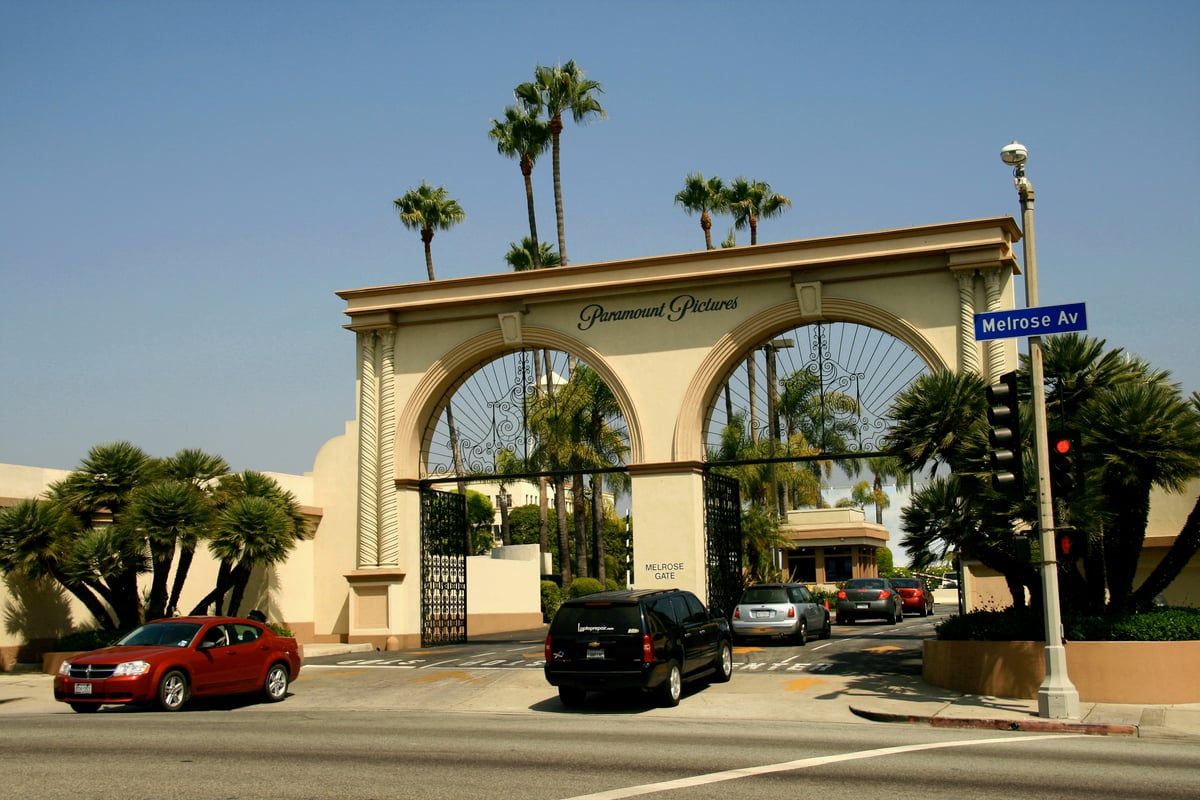
In what can only be described as the most expensive game of chicken ever played with a federal regulator, Paramount and Warner Bros have agreed to merge—but only if they promise to make thirty movies a year. Yes, thirty. That is one every 12 days, which means the studios will need to start filming in the parking lot and release direct-to-streaming sequels to movies that haven’t come out yet.
The $110 billion deal, which required settling with US states over antitrust concerns, now hinges on a clause so absurd it reads like a threat written by someone who has never actually watched a film get made. Fail to hit the 30-film target, and the combined mega-studio gets dismantled. Assets liquidated. The back lot sold to a real estate developer who will turn it into luxury condos. The archives auctioned to the highest bidder. Somewhere, a venture capitalist is already calculating the square footage.
Let us be clear about what this actually means: two studios that already struggle to greenlight original content have just agreed to flood the market with three times as many movies while maintaining theatrical quality, or face the corporate equivalent of being sent to bed without supper. It is the regulatory equivalent of saying “make more art or we will destroy your company,” which is either visionary policy or a punchline delivered with a straight face.
The real kicker? Studios have no idea which films will actually work. They are essentially betting the entire merger on their ability to predict what audiences want thirty times a year. Good luck with that.