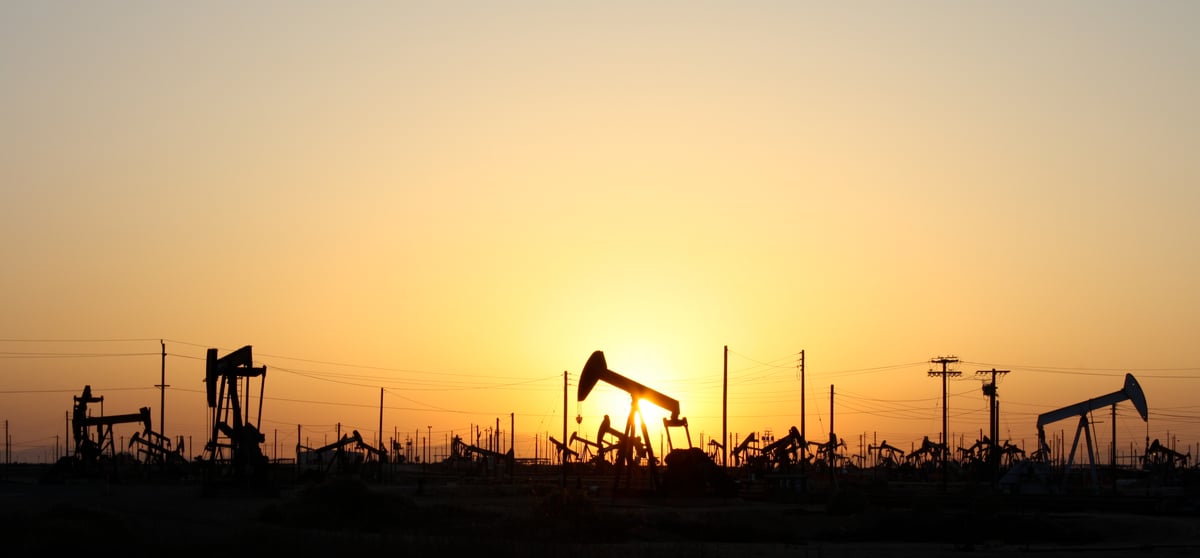
Oil just fell back to where it was before things got weird in the Middle East, which means shipping through the Strait of Hormuz is moving again and the global supply chain is not actively on fire. This is, objectively, good news for your wallet. Gas prices are coming down. Airline tickets will probably get cheaper. The inflation that made your grocery bill look like a mortgage payment might finally catch a break.
But here is where we are now: economists are already bracing for the next panic. Because apparently the human brain cannot process good news without immediately inventing reasons it is secretly terrible.
The logic is already forming in real time. Lower oil means energy stocks will tank, which means pension funds will suffer, which means your retirement is definitely ruined. Or wait—cheaper energy means companies will cut prices instead of raising wages, which is actually worse for workers. Or actually, the real problem is that oil falling this fast suggests global demand is collapsing, which means a recession is coming. You see? No matter which direction prices move, someone has already connected it to financial apocalypse.
The truth is simpler: oil went up because people thought a regional conflict might disrupt supplies. Now it looks like supplies are fine. Prices are returning to normal. Your mortgage is not suddenly safe because of this, and it is not suddenly doomed either. It is just oil doing what oil does.
But do not worry. Markets will find something else to catastrophize about by Thursday.