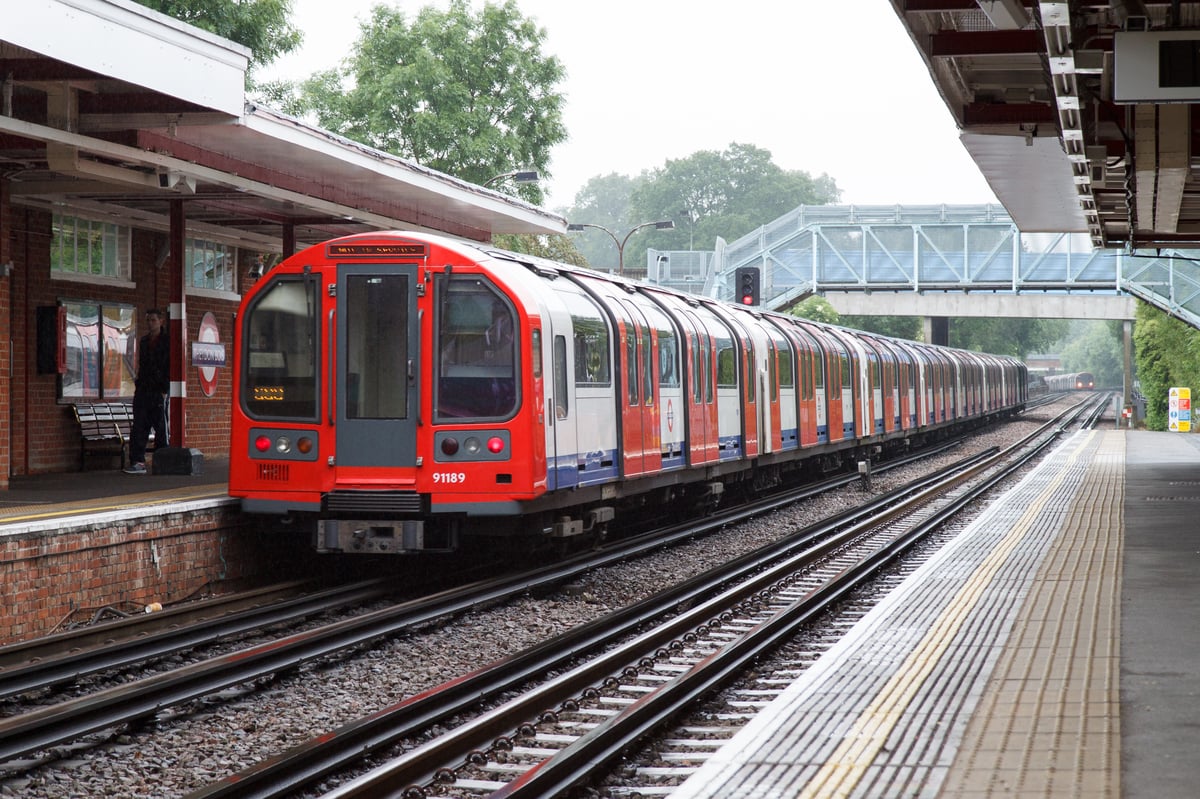
The RMT union has done it again. After talks collapsed, they have gifted London commuters something no wellness app or personal trainer could ever deliver: forced participation in a spontaneous fitness revolution. Tuesday’s strike, with Thursday’s follow-up already scheduled, is not really about working hours at all. It is a carefully orchestrated intervention disguised as a labor dispute.
Consider the evidence. For decades, transport unions have negotiated for better pay, safer conditions, job security. Reasonable stuff. But this time, the RMT has cracked the code. Why demand a 5% pay rise when you can instead demand that 3 million people walk, cycle, or run across London? The math is simple: one tube strike equals approximately 47,000 extra kilometers of human-powered commuting. That is 47,000 kilometers of elevated heart rates, improved cardiovascular health, and vitamin D synthesis. You cannot buy that at a gym membership.
The genius is in the subtlety. The union leadership did not announce “we are now a health advocacy organization.” They simply failed to reach agreement on working hours and let nature take its course. Londoners woke up Tuesday morning, checked their phones, and discovered that the only route to their office was their own two feet. Or a bicycle. Or a skateboard, if they are that kind of person. Suddenly, the commute became an adventure. The Northern Line became a memory. The Circle Line became a suggestion.
And what happened? The city did not collapse. Traffic moved differently. People discovered neighborhoods they had driven past for years without actually seeing. Someone probably found a new coffee shop. Someone else definitely got their steps in. The Fitbit servers across London were working overtime, recording what might be the single largest spike in activity data since the app was invented.
The working hours dispute was merely the cover story. The real negotiation was with London itself. The union was saying: your commuters have forgotten what their legs do. We are going to remind them. Twice this week. You are welcome.
Of course, some people were annoyed. That is the price of revolution. You cannot make an omelet without breaking eggs, and you cannot spark a fitness movement without inconveniencing a few thousand people trying to get to their 9 a.m. meetings. But consider the long-term benefits. Tuesday’s strikers are now 10,000 steps ahead of where they would have been. Their mental health is marginally improved from actual sunlight and movement. Their knees have been gently reminded that they exist. By Thursday, they will do it all again.
This is what real change looks like. Not a pay settlement or a revised roster. Not a memo from management or a new pension clause. But millions of people, suddenly, walking. Together. Across the entire city. Coordinated by a union that understood that sometimes the best way to improve working conditions is to improve the conditions of the workers themselves.
The RMT has weaponized the commute. And London is healthier for it.
So next time you hear about a tube strike, do not groan. Do not curse the union or sympathize with management. Instead, lace up your shoes, download a podcast, and remember: you are not stuck in traffic. You are participating in a labor-sponsored wellness initiative. You are exactly where the RMT wants you to be.
On foot. Moving. Free.