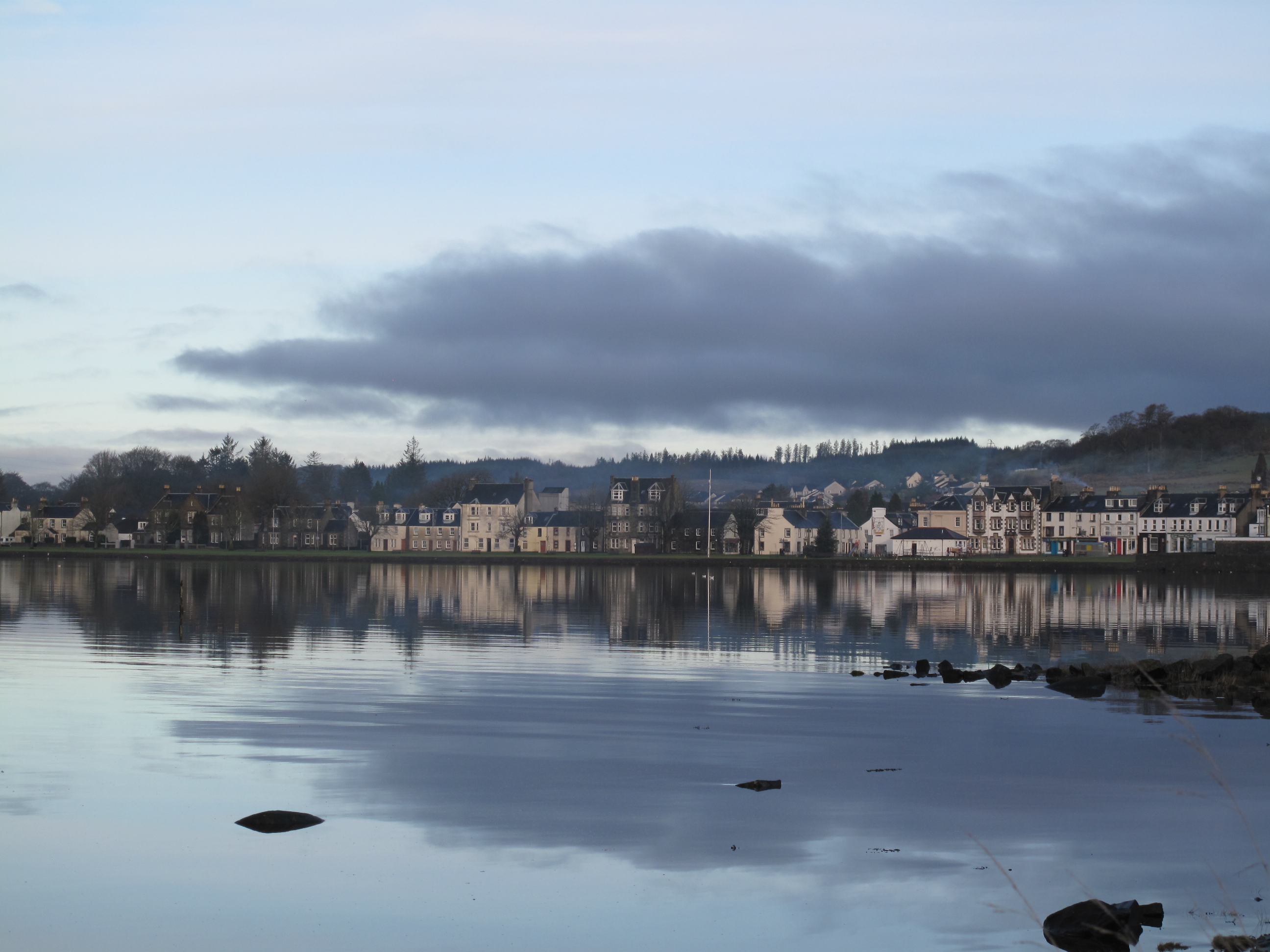
At 84, Maggie Dodd has survived the Blitz, three recessions, and the invention of the internet. But nothing—absolutely nothing—prepared her for the closure of Lochgilphead’s final bank branch.
When she learned the news last week, Maggie did what any reasonable person would do: she couldn’t sleep, began stockpiling tinned beans, and started a petition demanding the local Oxfam accept gold sovereigns as payment. By Monday, she had escalated to phoning the BBC to warn them that the global financial system was now, technically, over.
“If Lochgilphead has no bank,” she explained to a bewildered Radio Scotland presenter, “then logically, neither does anywhere else. It’s just mathematics.” The presenter gently suggested that perhaps other towns had retained their branches. Maggie was unmoved. She has since begun referring to digital banking as “fairy money” and insists that her grandson’s cryptocurrency holdings are definitively worthless—not because of market volatility, but because you cannot withdraw them in person from a branch that no longer exists.
The closure, driven by the usual culprits (declining footfall, online banking, economics), has somehow convinced Maggie that she has witnessed the precise moment civilization tipped into irreversible collapse. She now greets her neighbors with increasingly baroque theories about barter systems, and has begun pricing her homemade tablet in both pounds sterling and “chickens, if it comes to that.”
Experts suggest this is fine. Everything is fine.