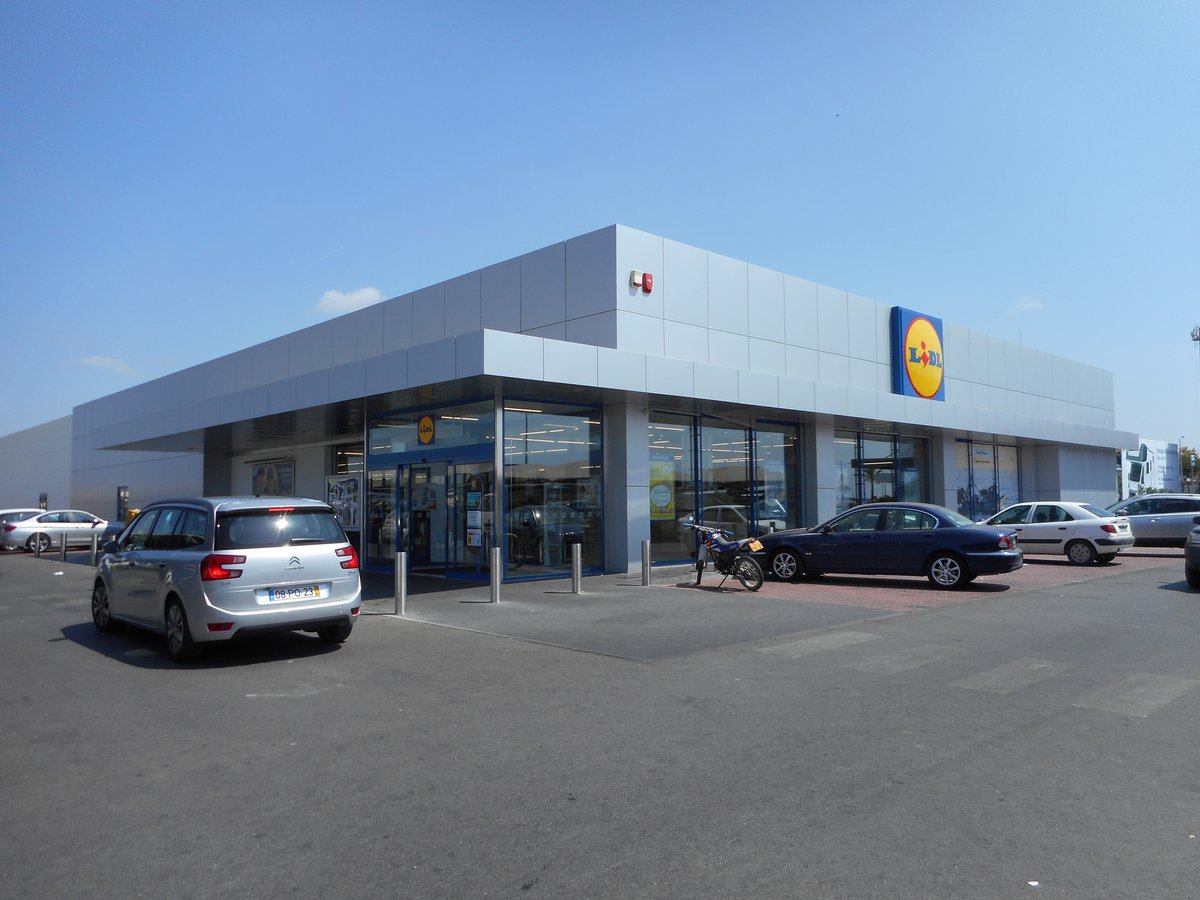
Lidl has done it. After decades of perfecting the art of selling you a discounted rotisserie chicken next to a suspiciously cheap power drill, the German discount supermarket chain has taken the logical next step: they have opened a pub. Not a café. Not a wine bar. A pub. A place where you can nurse a cold pint while contemplating whether that €3.99 air fryer in aisle 7 is actually a good deal or just the universe testing your judgment.
This is not a drill. Well, it might be — Lidl does sell those — but the pub is real. Located in the UK, this establishment represents the final, glorious moment when consumer capitalism stops pretending to be anything other than what it is: a system designed to keep you inside the building, spending money, for as long as physically possible.
The genius here is almost too obvious to articulate. Lidl has identified a market inefficiency: the gap between when you finish your shopping and when you realize you have made a terrible financial decision. Previously, you would leave the store, go home, and have hours to regret buying industrial quantities of tinned goulash. Now, you can simply sit down at the bar, order a beer, and wait for the shame to pass. By the time you leave, you will have either accepted your purchases or made three more impulse buys from the seasonal section. Either way, Lidl wins.
This is the natural evolution of the supermarket. For years, grocery chains have been slowly colonizing the spaces around food: they added pharmacies, clothing sections, electronics, and that mysterious middle aisle that contains both a camping tent and a pasta maker depending on the week. The pub is simply the next frontier. Why should a customer ever leave? Why should they go to a separate bar when they can drink in the shadow of the frozen food section?
The business model is almost too transparent. You go to Lidl to buy milk and bread. You end up staying for three hours because there is a Guinness on tap. During those three hours, you will buy at least four more things you did not plan for. That €1.50 impulse purchase becomes €18 when multiplied across a week. Multiply that across thousands of customers, and you have essentially turned the pub into a loss leader for the supermarket itself — except it is not a loss leader, because Lidl is selling you beer at pub margins, which are substantially higher than grocery margins.
What makes this genuinely brilliant is that it has identified something real about modern consumer behavior: we are not actually opposed to shopping. We like it. We like browsing. We like the possibility of finding something we did not know we needed. The pub is just Lidl saying out loud what every retailer already knows: you would rather be here than anywhere else, so let us make it as comfortable as possible.
The implications are staggering. Once Lidl proves this works — and it will work, because humans are predictable and weak — every supermarket will follow. Tesco will open a gastropub next to the self-checkout. Sainsbury’s will install a wine bar. Aldi will, naturally, do it cheaper. Within five years, the distinction between a supermarket and a social venue will have completely dissolved. You will go out for drinks and realize you are standing in a Carrefour. You will go shopping and forget you came for milk because you have been in the wine section for ninety minutes.
This is peak capitalism in its purest form: the complete elimination of any space in your life that is not also a commercial transaction. You cannot even drink a beer anymore without being surrounded by the possibility of buying things. The pub has become an upsell. The shopping has become the reason you came, but the beer is what keeps you there.
The real absurdity is that this will probably work. Lidl will make money. Customers will think it is convenient. No one will stop to consider whether we have finally crossed the line from “business efficiency” into “we are living inside a shopping mall and we do not even notice anymore.”
But that is the point, is it not? The best trap is the one you walk into willingly, thinking it is a shortcut. Lidl has not opened a pub. Lidl has simply removed the pretense that there is anywhere else to be.