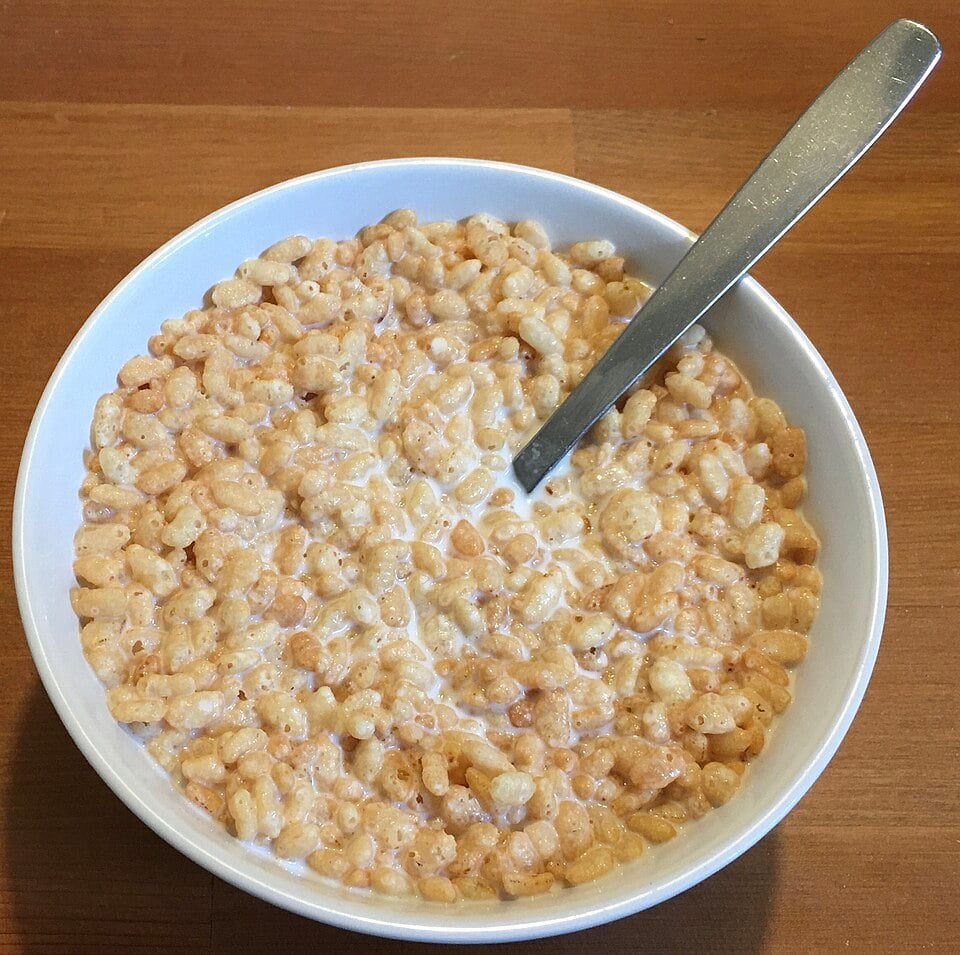
Kellogg’s has announced that Rice Krispies will no longer contain rice, because the weather has changed and rice, apparently, could not keep up. The replacement is wheat gluten, which means the box will now carry a ‘contains wheat gluten’ warning. Anyone with a wheat allergy can finally eat Rice Krispies, and everyone else gets a cereal that is somehow more responsible for the planet.
So what does this mean for you? Probably that the box costs the same or more, and the snap, crackle and pop you grew up with now comes from a different grain. Nobody has explained how swapping one cereal grain for another counts as adapting to climate change, but the investor presentation will almost certainly use the word ‘resilience’ at least four times.
This is greenwashing, the practice of dressing up an ordinary business decision as environmental virtue. Ingredient changes are cheap to announce and hard to check, which is why they turn up so often in sustainability reports pitched to ESG (environmental, social and governance) funds, the investment products that charge a premium for companies that sound responsible.
The cereal aisle has never really been about your breakfast. Next time you shop, check the price per box, because that is where the climate adaptation is actually happening.